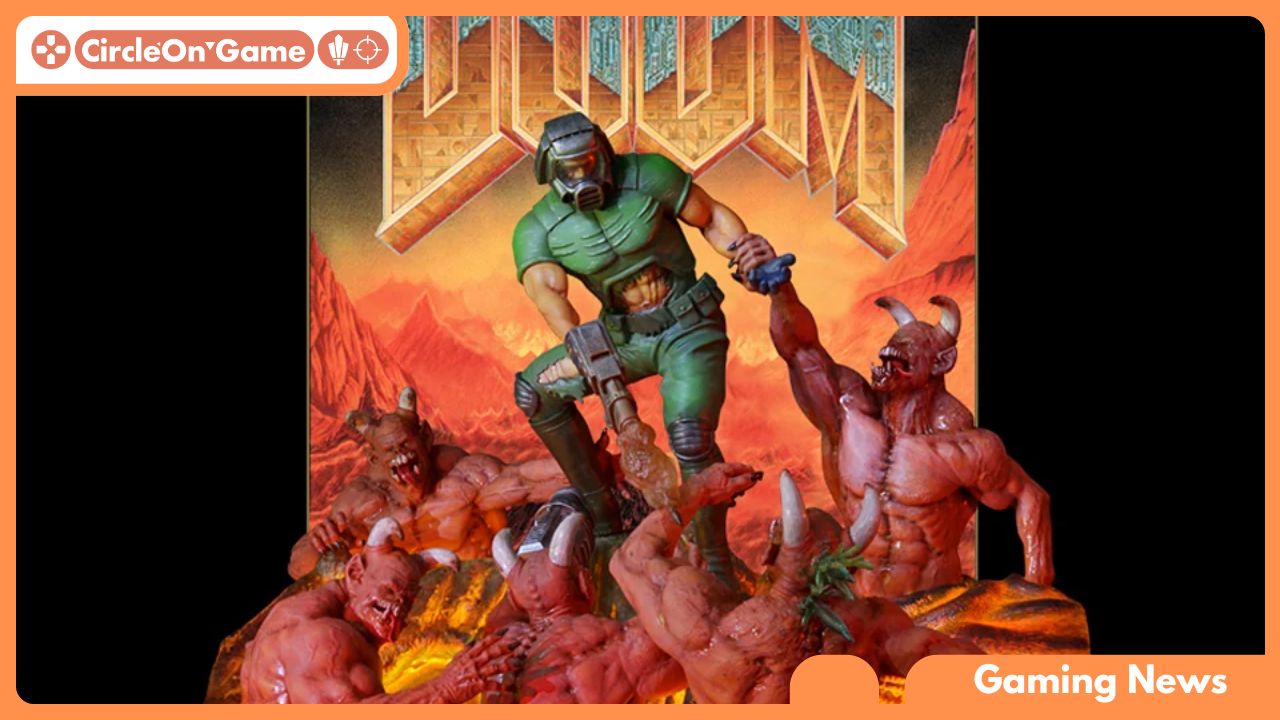

Within the vast and dynamic realm of video gaming, few genres have managed to enrapture audiences like the first-person shooter (FPS). Known for their unique point of view, rapid action, and intense engagement, FPS games have not only redefined what it means to entertain but have also significantly impacted technology and culture. What began as a basic exploration of 3D graphics has blossomed into a multi-billion dollar industry that has cultivated iconic franchises and vibrant communities across the globe. This article embarks on an exploration of the rich and complex history of FPS games, tracing their beginnings, major milestones, and the advancements that keep pushing the genre forward. From the rudimentary graphics of early arcade games to the compelling universes of contemporary blockbusters, join us as we delve into how players became “knee deep in the dead” and elevated this genre to epic status.
First-Person Shooters: A Journey from Early Innovations to Modern Masterpieces
The first-person shooter genre has seen an extraordinary evolution since its early days, with each decade introducing pivotal moments that have influenced its development. In the nascent phases, groundbreaking titles such as “Wolfenstein 3D” and “Doom” set new benchmarks by delivering immersive 3D environments and high-velocity gameplay that captured the excitement of digital combat. These seminal games not only established the foundational gameplay mechanics that would become hallmarks of the genre but also ignited a wave of creativity within the gaming community. As technology advanced, design philosophies evolved, leading to the creation of richly detailed worlds and intricate narratives that immersed players deeper into the gaming experience.
With the maturation of the genre, landmark titles like “Half-Life“ and “Halo: Combat Evolved” elevated the bar for storytelling and multiplayer dynamics, paving the way for innovative player interactions and experiences. The rise of online gaming transformed the FPS landscape, enabling communities centered around both competitive and cooperative play. Modern juggernauts like “Call of Duty” and “Battlefield” have built upon these legacies, combining cutting-edge graphics, expansive lore, and ever-evolving multiplayer realms. Today’s FPS offerings continue to push technological boundaries, exploring fresh gameplay mechanics and deep narratives while honoring their origins, illustrating that the evolution of first-person shooters is a narrative woven with creativity and influence that captivates gamers worldwide.
Read More: Frostpunk Impression: Surviving the Icy Apocalypse
Breakthroughs in Gameplay, Visuals, and Mechanics
From the moment players entered the pixelated environments of early FPS games, groundbreaking mechanics redefined what it meant to be immersed and interact within a digital world. Titles like “Wolfenstein 3D” showcased the potential of level design in storytelling, allowing players to navigate through intricate mazes filled with challenges and secrets. This era also saw the introduction of mechanics that remain critical today, including health kits, ammunition management, and cover strategies. As technology progressed, gaming experienced a transition toward more sophisticated gameplay, exemplified by the emergence of multiplayer modes in games such as “Doom II,” which fostered both collaboration and competition through local area networks. The advent of online gaming further revolutionized player engagement, connecting gamers in expansive digital landscapes that spanned the globe.
As the FPS genre evolved, so too did its visual presentation, characterized by graphic innovations that transformed player immersion. The shift from 2D sprites to fully realized 3D spaces with games like “Quake” and “Half-Life” captivated audiences with their rich aesthetics while enhancing gameplay by enabling vertical movement and spatial dynamics. The introduction of physics engines allowed for game-changing elements such as destructible environments and realistic physics, further adding layers of strategy. Narrative complexity also flourished, with titles like ”Halo” weaving intricate lore and character arcs into gameplay, establishing new storytelling benchmarks in the medium. Together, these advancements have created a dynamic landscape that not only influences FPS games but shapes the broader gaming ecosystem.
Cultural Significance of First-Person Shooters: Influence, Community, and Controversy
First-person shooters have significantly shaped gaming culture while intertwining with societal elements, reflecting and influencing various cultural aspects. These games offer a window into simulated worlds, frequently depicting real-world conflicts and geopolitical themes. The immense popularity of titles like “Doom” and “Call of Duty” has sparked conversations about their implications on views surrounding violence, heroism, and friendship. The collective experiences fostered by these games cultivate global communities, transforming gamers into digital citizens who share both competitive and cooperative experiences. However, this digital camaraderie can also provoke discussions about the potential influence of simulated violence on real-world behaviors and societal views on aggression.
On the other hand, such controversies reveal darker undercurrents within gaming culture, exposing tendencies toward toxicity and exclusion in gaming communities. Stereotypes linking gamers to hyper-masculine and aggressive behaviors can hinder inclusiveness and diversity. Furthermore, high-profile events connecting video game violence to real-world incidents have intensified scrutiny, compelling developers and communities to confront critical issues regarding representation, mental health, and creator accountability. Nevertheless, despite these hurdles, the FPS genre continues to challenge norms, inspiring artistic expression, rich narratives, and critical discussions that extend far beyond the realm of entertainment. The interplay between gameplay and social commentary encourages players to navigate complex moral dilemmas, establishing FPS titles as significant cultural phenomena that are met with both acclaim and criticism.
The Future of First-Person Perspectives: Trends, Innovations, and Insights
As first-person storytelling continues to evolve, several notable trends and technological advancements are shaping the future of the genre. Immersive virtual reality (VR) experiences are emerging at the forefront, allowing players to engage with narratives in an unprecedented and deeply impactful manner. This new medium invites creators to explore innovative storytelling methods that utilize VR’s unique capabilities, forging emotional connections through actions and decisions that feel personal. Additionally, advancements in artificial intelligence are paving the way for dynamic narrative branching, where player choices shape storylines and user experiences, ensuring each gameplay session feels fresh and unique.
Beyond technological breakthroughs, an increasing focus on inclusivity and diverse storytelling is gaining momentum. Developers are beginning to understand the importance of varied perspectives, responding to a player base eager for authentic and multidimensional narratives. Recommendations for creators include collaborating with diverse teams to create rich characters and integrating culturally relevant story arcs that encompass a more extensive human experience. Embracing these innovations promises to enhance player experiences and expand the creative possibilities of first-person storytelling, ensuring the genre remains relevant and impactful in an ever-evolving digital landscape.
In Summary
As we conclude our exploration through the digital jungles of “Knee Deep in the Dead,” it becomes evident that the history of first-person shooters is a tapestry interwoven with creativity, advancement, and transformation. From the early days dominated by simplistic visuals and limited mechanics to today’s richly immersive virtual experiences, these games have not only redefined player interaction with digital realms but have also left an indelible mark on culture, technology, and community interactions.
Recognizing the visionaries who crafted these immersive experiences alongside the players who breathe life into them is vital as we stand on the legacy of classics like “DOOM” and “Half-Life.” The genre continues to adapt, mirroring and molding our understanding of interactivity, narrative structure, and the intricate issues facing modern society.
In this continuously expanding universe, where the distinction between real life and digital experiences becomes increasingly blurred, we invite you to consider your own interactions with first-person shooters. What moments have left a mark on you, and how has this genre influenced your view of gaming or the world at large? As we look ahead, the forthcoming chapters promise equal intrigue as our past, reminding you to keep your controller at the ready. Indeed, the narrative of this genre is still being crafted, and every player has a vital role to play.