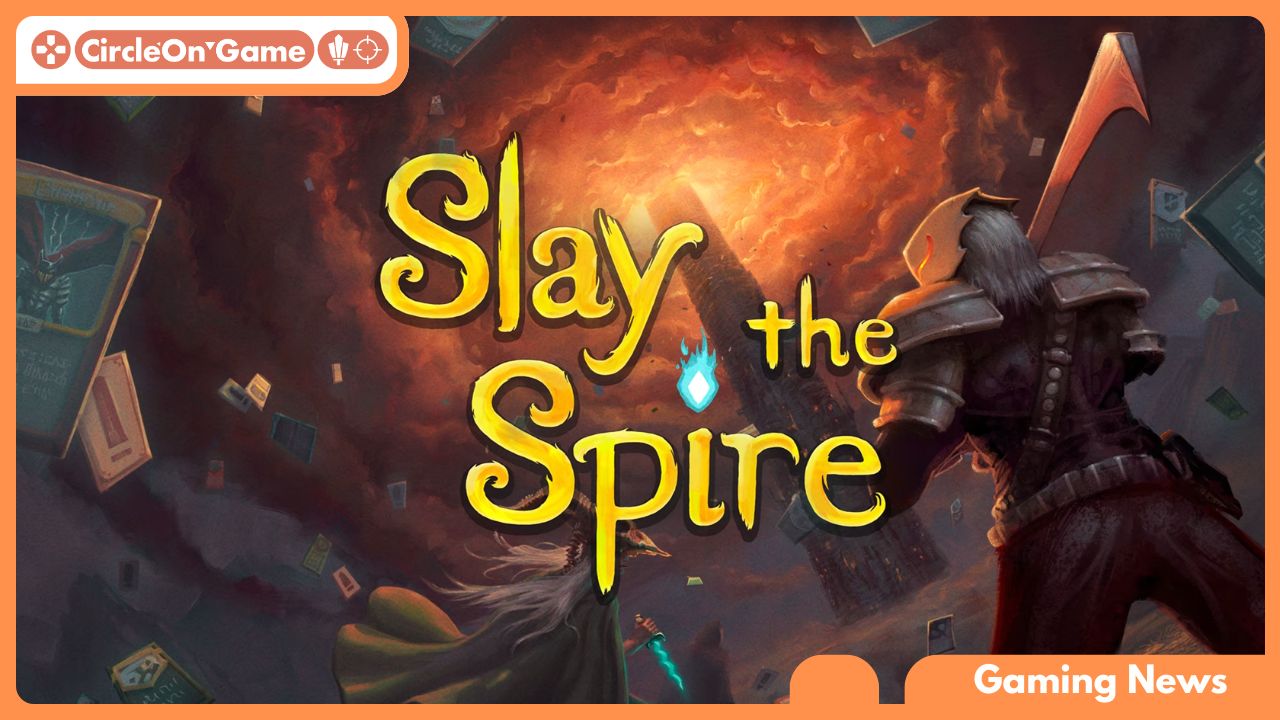

In the expansive realm of indie gaming, there are few offerings that resonate with players as profoundly as “Slay the Spire.” This enchanting roguelike deck-builder challenges participants to embark on an arduous climb, fraught with cunning adversaries, whimsical surprises, and the unyielding quest for excellence. As gamers assemble their unique decks and confront formidable foes, the game delivers an exceptional mix of risk and reward, ensuring a distinctive adventure at every turn. In this article, we will share our thoughts on ”Slay the Spire,” examining its fascinating mechanics, striking visuals, and the delicate interplay between strategy and chance that defines its gameplay. Join us as we scale the spire to identify the elements that elevate this game above its peers.
Unpacking Deck-Building Strategies
Deck-building games invite players to immerse themselves in the art of strategic creation, and “Slay the Spire” enhances this genre through its dynamic integration of roguelike features and varied character options. At its core is the intricate interplay of card selection and resource allocation. Players must skillfully construct a deck that not only enhances their selected character’s capabilities but also counters the increasing challenges posed by various foes and settings. Every choice—whether to focus on offense or defense or to create card synergies—can significantly impact the success of a run, keeping players engaged in continuous experimentation and discovery.
The excitement of uncovering new paths within the spire introduces a layer of unpredictability; each journey presents a fresh array of adversaries, relics, and upgrades. This diversity promotes strategic flexibility, urging players to adapt their approaches based on the cards available and the challenges ahead. The game expertly balances the concepts of risk and reward, prompting players to deliberate over the potential gains of taking a hazardous route versus the safety of a less adventurous option. Consequently, the depths of deck-building strategy in “Slay the Spire” compel players not only to develop potent combinations but also to embrace the uncertainties of the journey, ensuring that every climb is a uniquely exhilarating experience.
Read More: Guide to the Steam Community: Time to Join the Global Gaming Revolution
The Magic of Roguelike Adventures in “Slay the Spire”
In the universe of “Slay the Spire,” the charm of roguelike challenges is intricately woven into its core design, creating a captivating blend of strategy and unpredictability. Each attempt unfolds as an epic narrative, as players journey through a maze of decisions, strategic confrontations, and ever-shifting decks. The randomness inherent in card draws, enemy appearances, and relics guarantees that no two attempts are alike, encouraging gamers to try out varied builds and adapt their tactics on the fly. This dynamic balance of risk and reward taps into a fundamental desire to overcome obstacles, as players confront uncertainty and strive for that elusive summit, with each ascent teaching valuable lessons and revealing new insights.
The gameplay mechanics emphasize not merely surviving but achieving mastery, allowing players to hone their skills through continual attempts. Each setback serves as a foundation for growth, illuminating patterns, strengths, and weaknesses in their gameplay and the ever-fluctuating landscape. This cyclical nature fosters a powerful sense of advancement, as players unlock fresh characters and card combinations, deepening their comprehension of the game’s mechanics. The roguelike framework injects excitement into every encounter; each decision carries weight, heightening stakes and amplifying immersion. The joy of discovery makes each triumph more gratifying while making every setback a compelling urge to try again, reinforcing “Slay the Spire” as a defining title within the roguelike genre.
Visuals and Sound: A Fully Immersive Experience
The visual aesthetics of “Slay the Spire” represent a captivating combination of simplicity and intricate detail, pulling players into its enchanting world. Each character is brilliantly designed, capturing unique personalities reflected through their animations and movements. The locales evolve with every ascent, transitioning from shadowy dungeons to vibrant, whimsical landscapes that convey a sense of progress and discovery. This art style, enriched with hand-drawn elements, elevates the gaming experience while also functioning as a narrative medium; each adversary and environment narrates its own story, inviting players to unravel the secrets of the spire. The shifting color palette during different acts mirrors the rising tension and emotional depth, ensuring that players remain visually captivated throughout their adventures.
Complementing the stunning visuals is an auditory experience that perfectly aligns with the game’s atmosphere. The music transitions from high-energy compositions during critical battles to tranquil melodies during exploration, crafting an auditory tempo that matches the gameplay’s rhythm. Every sound effect—from the rustle of cards being played to the satisfying jingle of coins—adds another dimension of immersion, making every successful play feel rewarding, while every defeat carries a palpable weight. Together, the visuals and sound design craft a holistic experience that elevates “Slay the Spire” from a mere card game to a compelling adventure where decisions resonate profoundly, enriching players’ engagement in the unfolding narrative.
Strategies for Enhancing Your Gameplay and Replayability
To truly excel in “Slay the Spire,” it is vital to grasp the intricacies of each character’s strengths and limitations. Take the time to explore various relics and card synergies, as the ideal combination can significantly boost your tactical approach. Remain alert to the challenges presented within each act; understanding enemy attack patterns and identifying the most effective counters can mean the difference between triumph and defeat. Additionally, aim for a balanced deck; too many varied card types can weaken your strategy, while overemphasizing a single approach might expose you to specific threats. Embrace flexibility, allowing your deck to adapt as you progress, and always be on the lookout for invaluable rewards throughout your journey.
Replayability thrives in the diverse paths and choices that each new run offers. Every climb opens up new possibilities to investigate different character builds, rare relics, and card combinations that can create unique gameplay experiences. Challenge yourself by setting limitations, such as solely focusing on defensive strategies or employing specific types of cards, to maintain freshness and engagement with each attempt. Don’t hesitate to explore unconventional selections in your relic and card choices; these surprising decisions can lead to exceptional outcomes. Furthermore, consider connecting with modding communities or thematic challenges that push the game’s limits, as these elements can enrich your experience and expand the already expansive world of “Slay the Spire.”
Conclusion
“Slay the Spire” is a remarkable example of the potential for creativity and depth within the roguelike genre. With its seamless integration of strategy, unpredictability, and engaging deck-building mechanics, it invites players to continually explore its rich and challenging universe. Whether you are a long-time card game enthusiast or a newcomer, the experience it delivers is both engaging and rewarding. As you navigate the ever-changing pathways and encounter a multitude of challengers, it becomes evident that each run presents a new opportunity to devise your stratagems and conquer the spire. So, gather your cards, sharpen your strategic thinking, and brace yourself for the climb—adventure and challenge await at every level.