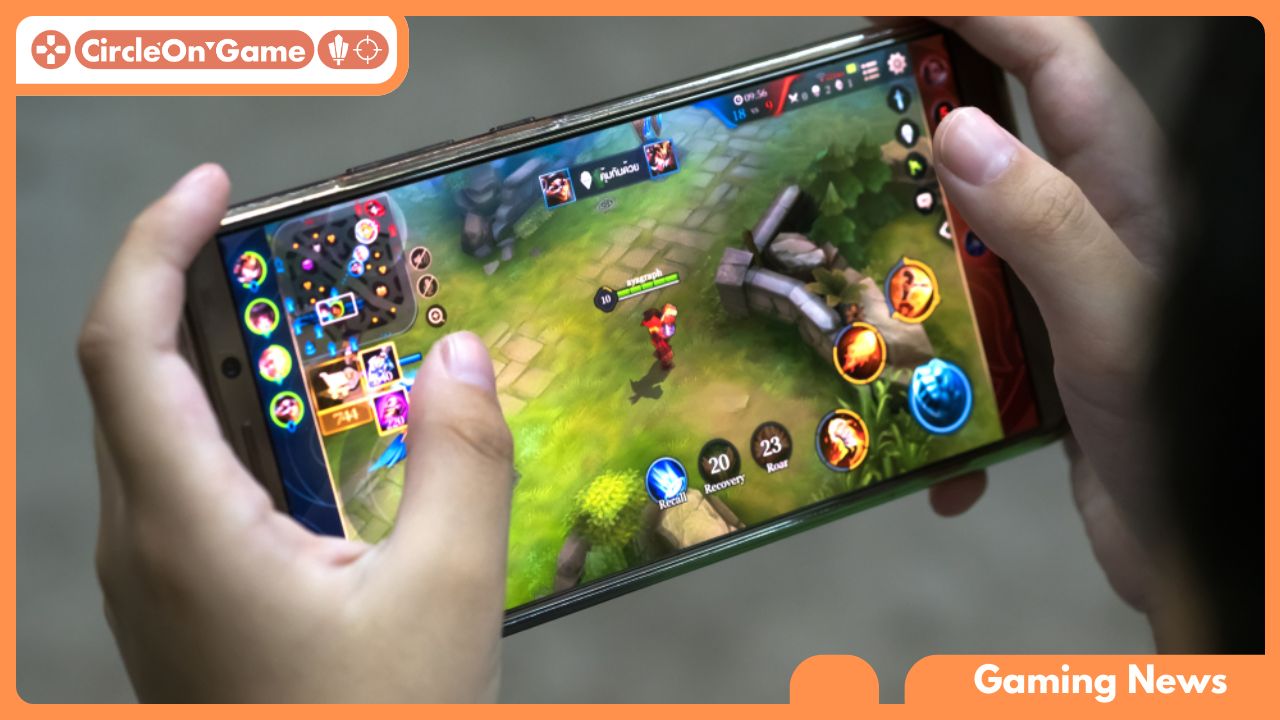

Nestled within Asia, where time-honored customs coexist with state-of-the-art technology, an exciting evolution is taking place. The mobile gaming sector in China, once a modest player, has now emerged as a formidable global powerhouse, attracting millions and reshaping the digital entertainment arena. From the energetic avenues of Beijing to the tranquil gardens of Hangzhou, mobile gaming captivates a wide array of demographics, ingraining itself into the everyday lives of an eclectic populace.
With developers launching groundbreaking games that marry breathtaking visuals, engaging storylines, and social connectivity, the industry nears a transformative moment that promises to revolutionize the gaming landscape. This article examines the catalysts behind this shift, highlights the hurdles that persist, and showcases the cultural dynamics arising from China’s mobile gaming landscape. Join us as we explore the vibrant world of China’s mobile gaming sector, where innovation and excitement merge to forge a new realm of digital interaction.
Strategies Driving Expansion in China’s Mobile Gaming Sector
The recent growth spurt of China’s mobile gaming industry can be traced to a combination of creative approaches that resonate with a wider audience. Developers are harnessing modern technologies like augmented reality (AR) and artificial intelligence (AI) to deliver engaging and customized gaming experiences. By employing real-time analytics, companies can adapt content and challenges to fit individual player preferences, enhancing user engagement. Moreover, partnerships with popular online personalities and live streamers have amplified marketing efforts that connect deeply with younger gamers, building communities around new releases prior to their debut. This interplay of technology and social mechanics sets the stage for unprecedented growth in the industry.
Furthermore, the advent of cross-platform gaming is dismantling conventional barriers, enabling players to fluidly switch between mobile gadgets and gaming consoles. This inclusivity not only expands the player demographic but also promotes cooperative gameplay, ensuring that social engagement remains a key aspect of the gaming experience. In addition, regulatory modifications allowing more foreign titles to enter the Chinese market have led local developers to enhance their offerings, igniting a competitive environment that emphasizes innovation. As both domestic and international creators actively blend gaming genres and enrich storylines, China’s mobile gaming scene is evolving into a versatile ecosystem ripe with potential for sustained expansion.
Read More: How to Connect Your Epic Games Library to Steam!
Trends Redefining User Engagement and Loyalty in Mobile Gaming
As the mobile gaming sector matures, developers are skillfully leveraging advanced technology and sophisticated analytics to bolster user engagement and loyalty. A significant trend is the use of artificial intelligence, which tailors gameplay to the unique preferences of each player. By tracking player activities, AI can modify difficulty levels, recommend in-game purchases, and introduce custom challenges that keep players coming back for more. This personalized approach not only enhances player satisfaction but also cultivates a sense of belonging, translating into extended gaming sessions and improved monetization opportunities.
Additionally, the expansion of social features is fundamentally changing how players communicate within mobile games, turning isolated experiences into lively community interactions. Implementing multiplayer capabilities, collaborative challenges, and in-game social networks enables users to connect, compete, and cooperate with both friends and new acquaintances. This sense of camaraderie enriches the overall gaming experience and encourages players to return to check on their friends’ progress. Moreover, developers are increasingly utilizing live events and rotating seasonal content to sustain excitement, providing players with anticipation and reason to remain invested in the game.
Obstacles and Opportunities in Regulation and Market Dynamics
As China’s mobile gaming sphere advances, developers encounter a complex landscape of regulations that can impede innovation yet also promote growth through structured compliance. The government’s stringent rules regarding content censorship, data protection, and player welfare require studios to be nimble, swiftly adapting their offerings to conform to shifting standards. While navigating this regulatory maze can be challenging, it also presents opportunities for studios to differentiate themselves by focusing on safe and responsible gaming experiences. By adopting transparent practices and curating culturally relevant content, developers can enhance their reputation and capture more of a market that increasingly values consumer trust.
At the same time, the volatile market dynamics introduce both challenges and pathways for expansion. The rapid advancement of technologies, such as 5G and mobile payment solutions, is transforming how games are created, distributed, and experienced. Developers that capitalize on these advancements can offer players immersive experiences and frictionless in-game transactions. However, monitoring the escalating competition requires companies to navigate aggressive promotional techniques and evolving consumer preferences shaped by cultural trends. Those who can effectively balance adherence to regulatory measures with agile market strategies will find themselves well-positioned to tap into the vast potential of China’s flourishing mobile gaming sector.
Looking Ahead: Strategies for Developers and Stakeholders in Mobile Gaming
As China’s mobile gaming environment continues to transform, creators and stakeholders should prioritize innovation and user engagement to take full advantage of emerging trends. Focusing on integrating augmented reality (AR) and artificial intelligence (AI) will facilitate unforgettable experiences that engage gamers. By investing in technology that personalizes gameplay, developers can utilize data analytics to improve experiences based on player behavior, preferences, and demographics. Furthermore, leveraging cross-platform gaming opportunities can promote smooth interactions between mobile and traditional gaming frameworks, increasing player retention and broadening the audience.
Collaboration will be essential for navigating regulatory challenges and understanding evolving consumer expectations. Developers should partner with relevant industry organizations and governmental bodies to stay updated on policy shifts and compliance requirements. Additionally, cooperating with social media influencers and streaming services can elevate awareness and visibility for new releases. Engaging with the gaming community through feedback and beta testing can yield critical insights for enhancements prior to launching, ensuring products resonate with their desired audience. Prioritizing these strategies could give stakeholders a competitive edge in the mobile gaming marketplace.
Conclusion
As we reflect on the breakthroughs within China’s mobile gaming industry, it becomes evident that this dynamic realm represents more than just an economic contributor; it symbolizes a cultural movement that spans generations. The convergence of high-tech innovation, engaging gameplay, and profound social connections illustrates a captivating story about the power of digital domains to transcend borders and unite communities.
Despite the challenges ahead—regulatory concerns, market saturation, and fluctuant consumer preferences—the resilience and ingenuity of Chinese developers uniquely position them to maneuver through this landscape. The journey is only beginning, and as we observe the evolving nature of gaming, we encourage our readers to remain engaged and witness the transformative changes that lie ahead.
Ultimately, success in this sector may hinge not solely on market share or revenue metrics, but rather on the capacity to create experiences that inspire, delight, and redefine the very essence of human connection. As players, developers, and stakeholders look toward the horizon, one thing remains certain: China’s mobile gaming industry will continue to inspire and innovate, leaving an enduring impression on the international stage.