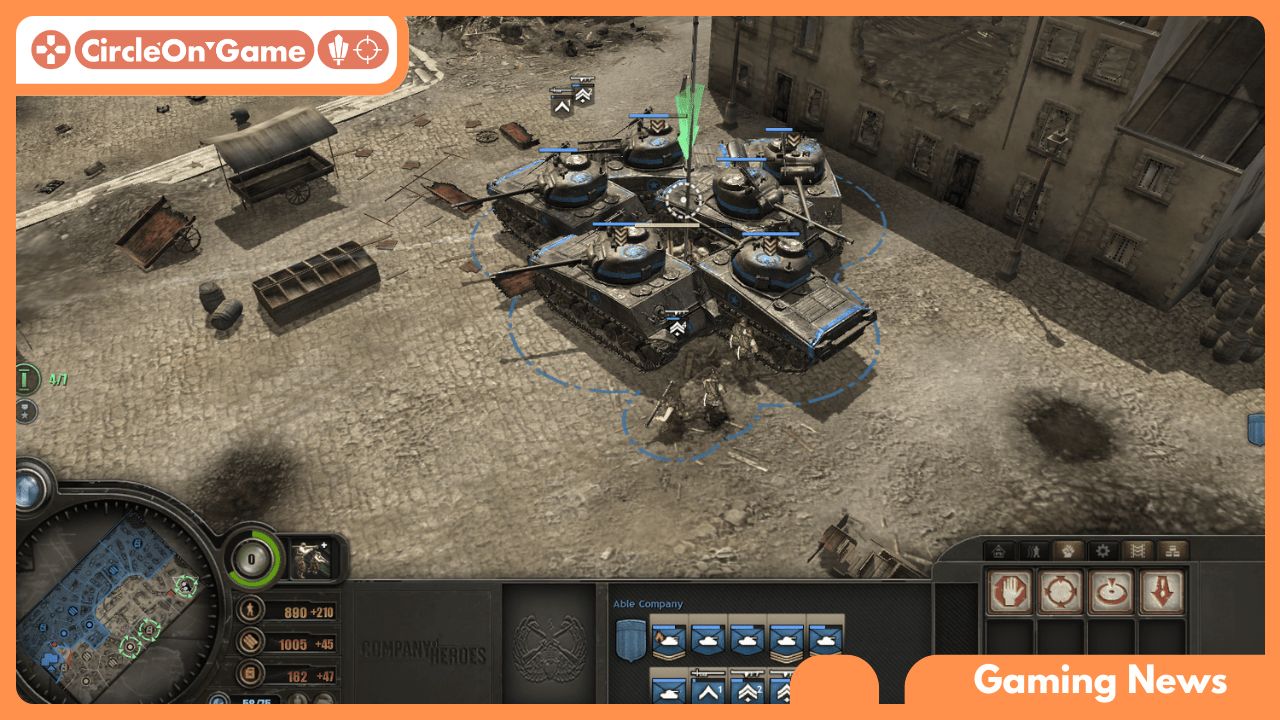

In the landscape of gaming, the amalgamation of various genre elements frequently results in revolutionary experiences that enthrall players. One title that exemplifies this innovative approach is “Company of Heroes,” a respected real-time strategy (RTS) game that skillfully merges intricate military maneuvers with engaging gameplay. Set in the tumultuous era of World War II, this game not only tests players’ strategic finesse but also envelops them in the stark realities of warfare.
With its dynamic resource allocation, strategic positioning, and emphasis on squad interactions, “Company of Heroes” challenges gamers to command the confusion of battle while mastering the nuances of unit management and territory dominance. This discussion will delve into how this remarkable title has redefined the RTS genre and maintains its influence on modern game design.
Unpacking the Fundamentals of Military Strategy in Real-Time
At the core of effective military strategy is the capacity to promptly adapt to shifting battle conditions. “Company of Heroes” immerses players in this vibrant battlefield, demanding not only keen awareness but also tactical creativity. Each encounter requires meticulous management of resources while inspiring inventive strategies that utilize topography, unit strengths, and environmental cues. The game mirrors a dynamic chess match, where every tactical decision holds the power to alter the course of conflict, underscoring the parallel between its gameplay and real-world military challenges.
Additionally, the synergy between unit placement and advantageous terrains enriches the gameplay, elevating the traditional RTS experience. Players can feel the weight of history as they maneuver through diverse settings—urban environments, thick woodlands, or vast open fields—reflecting actual battlegrounds that have influenced military strategies over time. The emphasis on squad-based tactics paired with sound commanding decisions illustrates the crucial role of teamwork and the unpredictable character of combat. Each match transforms into a complex puzzle, compelling players to not only deploy their forces wisely but also to anticipate future moves, mirroring the fundamental tenets of military operations in an engaging manner.
Read More: Steam Sales Uncovered: A Decade-Long Journey Through Epic Deals and Unmissable Discounts!
Mechanics that Boost Strategic Decision-Making
In the sphere of real-time strategy games, the seamless integration of military actions and tactical gameplay elevates decision-making to exhilarating new levels. Players are not just commanders; they become architects of conflict, orchestrating complex maneuvers and capitalizing on their units’ distinct abilities. The introduction of cover mechanics, for instance, turns standard skirmishes into dynamic confrontations where positioning can be the decisive factor for triumph. Units seeking protection behind obstacles can drastically influence the outcome, mandating players to engage in significant strategizing that transcends mere unit oversight.
Moreover, the incorporation of resource management into tactical decision-making lends an innovative dimension to gameplay. Players must perpetually juggle their offensive plans alongside the imperative to acquire critical resources, making every choice a multifaceted risk. The ability to call in reinforcements or research new technologies based on resource status requires both foresight and pliability.
This balance cultivates a sense of tension, where one moment may breed confidence in their tactics, only to confront vulnerabilities in supply lines. As tension escalates with each decision made, the game inspires a fluid atmosphere in which strategic thinking and real-time adjustments are not just encouraged but are imperative for achieving victory. This interaction between action and strategy lays the groundwork for a captivating gaming journey, drawing players into a realm where every tactical selection influences their battlefield narrative.
Integrating Resource Management and Battle Strategy
Within military strategy games, the intricate balance of resource management and combat engagement is vital for achievement. Players must expertly handle the collection and employment of resources—such as oil, ammunition, or manpower—while simultaneously directing their troops during battles. Success in this dual focus favors those who can rapidly adapt their strategies, crafting a captivating gameplay experience where investment in robust defenses and offensive strategies becomes essential. A well-maintained supply line can significantly alter a skirmish’s outcome, promoting players to launch unexpected offensives or reinforce their positions just when needed. Knowing when to pull back for resource consolidation versus pressing forward to exploit enemy frailties is integral to mastering the battlefield dynamics.
In addition, the strategic use of martial units should be guided by anticipation of future warfare necessities. Opting for a powerful but resource-intensive unit may seem compelling during heated exchanges, yet neglecting key frontline defenses can spell disaster. This constant balancing act turns each decision into a critical gamble, where mismanagement can have severe repercussions. This complex interrelation not only enhances the gaming experience but also crafts a rich narrative where each choice profoundly influences the evolution of conflict, unity, and victory. Through merging the responsibilities of resource management with the intensity of on-field operations, players delve into the intricate realities of warfare, heightening the significance of each triumph.
Enhancing Cooperation in Multiplayer Experiences
In the lively battleground of “Company of Heroes,” the essence of teamwork is crucial for securing triumph. Players aren’t merely individual unit controllers; they form part of a broader strategy that values collaboration and mutual objectives. Tactical maneuvers executed in real-time can turn the game’s tide, where the coordination of strikes, flanking tactics, and resource allocation are essential in outsmarting opponents. By joining forces, players can arrange ambushes or provide suppressive fire, facilitating advantageous positioning for themselves and their teammates. This depth of strategic interaction magnifies the excitement of military tactics while nurturing a profound sense of companionship and dependency among players, enriching the overall experience.
Additionally, the multiplayer dimension of “Company of Heroes” permits the development of varied strategies customized for distinct environments and adversary behaviors. Every match evolves into a lesson in adaptability; players must not only respond to enemy actions but also evaluate how their own choices affect their allies. The harmonious interplay between diverse unit types—from armored vehicles to infantry—can reach optimal efficiency when players engage in effective communication and insight sharing.
As strategies develop, so too does the multiplayer landscape, ensuring that every game remains refreshing and captivating. Victories are earned through the collective skill and foresight of players collaborating dynamically. The thrill of executing a well-coordinated strategy solidifies bonds among players, transforming each session into a cooperative endeavor rich with strategic substance.
Conclusion: The Evolving Legacy of Company of Heroes
“Company of Heroes” elegantly weaves the strategic complexities of real-time strategy with the gripping intensity of military conflict. Its ground-breaking gameplay mechanics, meticulously designed environments, and provocative storytelling not only thrust players into the core of battle but also compel them to think critically and adapt to a whirlwind of evolving scenarios.
Reflecting on the lasting impact this game has made within the RTS realm reveals that it transcends mere simulation—serving as a profound exploration of tactics, collaboration, and the consequences of war. Whether you are a veteran strategist or new to the genre, “Company of Heroes” delivers an engrossing mix of action and strategy that still resonates with audiences globally. As the franchise progresses, one can eagerly anticipate the novel avenues it will pursue, continuing to captivate audiences with its distinct approach to military encounters.