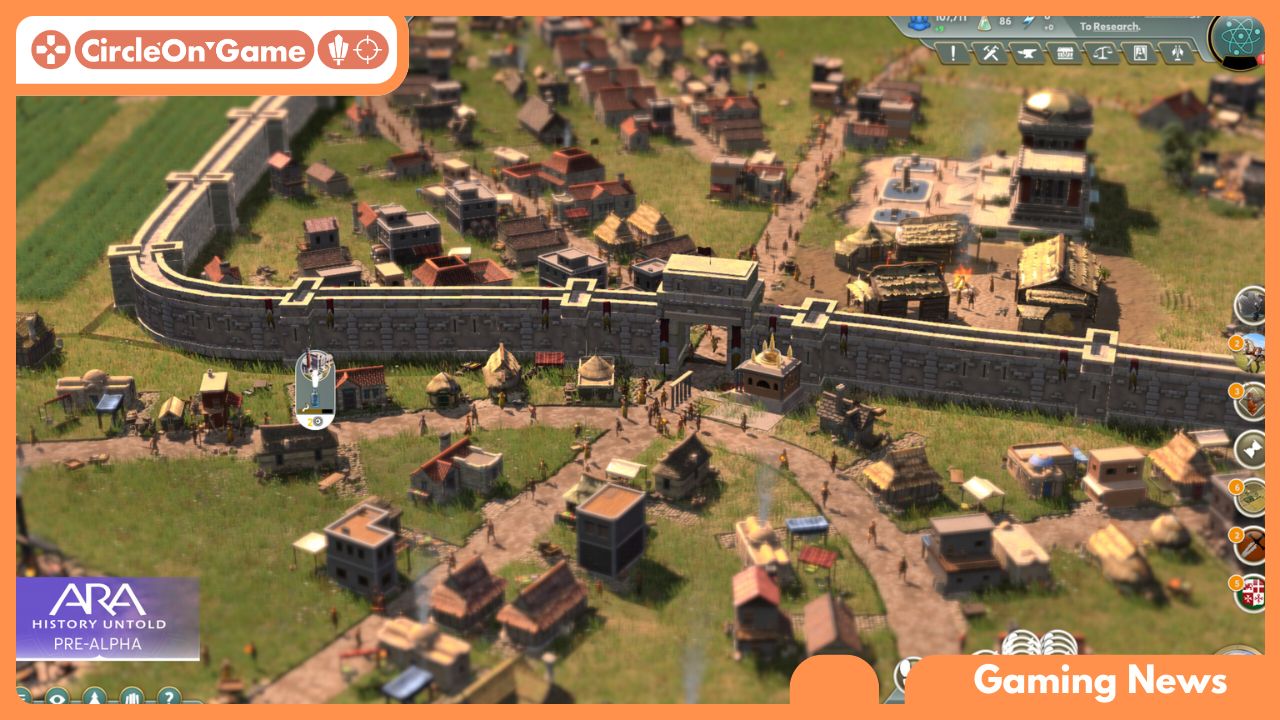

Within the sprawling world of gaming, where stunning visuals and gripping stories often dominate the scene, strategy games emerge as the pillars of intellectual challenge. These games encourage players to move beyond simple reactions to a more deliberate approach, where each choice holds significance and foresight plays a crucial role in success. From adeptly managing resources to outsmarting adversaries and undertaking ambitious military endeavors, strategy games compel players to expand their mental capabilities and refine their tactical skills. This article presents an overview of the five premier strategy games available on PC, each offering a distinct array of challenges and intricacies that promise to engage both veteran strategists and newcomers alike. Prepare to devise plans, outwit opponents, and achieve triumph as we uncover these remarkable titles that transform the essence of warfare and negotiation in the digital realm.
Understanding Tactical Complexity in Top Strategy Games
The hallmark of the best strategy games lies in their tactical complexity, inviting players to navigate through a tapestry of choices where the smallest action can have substantial ramifications. In these games, every decision regarding unit positioning and ability use is a strategic calculation, transforming the battlefield into a dynamic playing field akin to chess. For instance, “XCOM 2” epitomizes this complexity by challenging players to manage resources, assemble teams, and engage in turn-based combat, demanding both strategic insight and flexibility in the face of unexpected hurdles. As players engage with the game, they find themselves deeply focused, analyzing the risks of a bold attack against possible counter-strikes from unyielding opponents.
On the other hand, real-time strategy games such as “StarCraft II” blend the urgency of swift decision-making with intricate gameplay mechanics. Players are tasked with building economies, creating formidable units, and executing strategies while remaining vigilant of the constantly changing movements of their adversaries. Each encounter is a combination of strategy and skill, where mastery over unit interactions can yield a decisive advantage amid intense conflict. Engagement extends beyond individual battles, evolving into broader strategic considerations where players predict their rivals’ next moves and respond with calculated precision, demonstrating that depth involves both immediate tactics and long-term strategic planning.
Read More: Going Offline on Epic Games Launcher: A Step-by-Step Guide to Keep your Privacy
Engaging Gameplay Mechanics That Capture Your Attention
In the strategy gaming domain, a rich array of gameplay mechanics ensures players remain engrossed from beginning to end. One key feature is responsive AI that adapts intelligently to player actions and progressively evolves its strategies. This responsive approach compels players to think quickly and adjust their tactics, leaving no room for complacency. Furthermore, many games integrate comprehensive resource management systems that demand careful planning and foresight. Players must balance urgent necessities against future objectives, adding layers of complexity that enrich the overall experience.
Multiplayer components significantly enhance player engagement, introducing competitive and cooperative elements that compel gamers to return repeatedly. Clan systems, ranked matches, and teamwork challenges foster a sense of community, inspiring players to refine their skills and strategize with friends or competitors. Additionally, the introduction of unique units or specialized abilities broadens the tactical landscape, allowing for various playstyles and encouraging creativity. Whether executing clever maneuvers to outsmart opponents or collaborating to seize victory, these diverse mechanics ensure that each session remains fresh, unexpected, and thoroughly engrossing.
Immersive Worlds and Narrative Features for Strategic Enrichment
In strategy games, the blend of immersive environments with captivating storylines creates an experience that surpasses standard gameplay. Gamers often find themselves manipulating resources and units while engrossed in richly developed narratives that bring digital worlds to life. Titles such as “Total War: Three Kingdoms” and ”Crusader Kings III” transport players to historical eras filled with epic conquests and intricate political dynamics, establishing a profound backdrop where each decision can impact the course of an entire saga. Well-rounded characters and their personal journeys raise the stakes of strategic planning, making victories resonate more significantly through both tactical skill and emotional connection.
Moreover, integrating layered storytelling with strategic management encourages players to interact with their surroundings deeply. Games like “Warhammer 40,000: Dawn of War III” and ”XCOM 2″ excel at crafting worlds rich in lore and conflict, where players traverse complex narratives. These elements invite not only critical thinking but also foster emotional ties to the challenges faced by their factions or heroes. When missions carry narrative urgency—whether rescuing comrades or thwarting an existential threat—players are pulled into an experience that demands both mental agility and emotional investment, amplifying the excitement of gameplay and enhancing overall immersion.
Competitive Multiplayer Features That Test Your Strategic Abilities
In the realm of strategy gaming, multiplayer experiences serve as the ultimate proving ground for intellect and teamwork. Whether leading forces over expansive battlefields or navigating complex alliances, the tension and thrill of facing real opponents inject a level of unpredictability that single-player formats lack. Games such as “Civilization VI” urge players to develop long-term strategies while simultaneously responding to the spontaneous tactics of competitors. Crafting alliances, betraying rivals, and managing resources all contribute to a dynamic environment where victory depends on not just one’s strategy but also outsmarting others in this cerebral competition.
Titles like “Total War: Three Kingdoms” capture the essence of tactical finesse in a multiplayer framework. Here, players can engage in real-time battles or plan on a grand campaign map, where each decision reverberates throughout the equilibrium of power. Coordinated efforts and adaptability are paramount; a single error can lead to catastrophic setbacks. Witnessing your strategic plans unfold—or collapse—amid rival players provides an exhilarating atmosphere perfect for those seeking competition. Ultimately, these multiplayer strategy experiences enrich the genre, transforming every match into a memorable challenge that hones your skills and broadens your tactical knowledge.
Conclusion
As we wrap up our examination of the top five strategy games for PC, it’s evident that this genre offers a diverse selection of experiences, appealing to both tactical thinkers and creative strategists. Each title considered not only pushes the boundaries of conventional gameplay but also invites players to immerse themselves in intricate realms where each decision can alter the tides of fate.
Whether commanding vast armies, forging alliances, or outmaneuvering adversaries in clever confrontations, these games serve as an ideal platform for enhancing your strategic skills. They remind us that strategy is not solely about our actions but the narratives we weave throughout the journey.
So gather your assets and prepare for epic showdowns, as the world of strategy gaming awaits you just a click away. Dive into these enticing titles, and remember that in the domain of strategy, triumph often belongs to the smart and adaptable. Happy gaming!