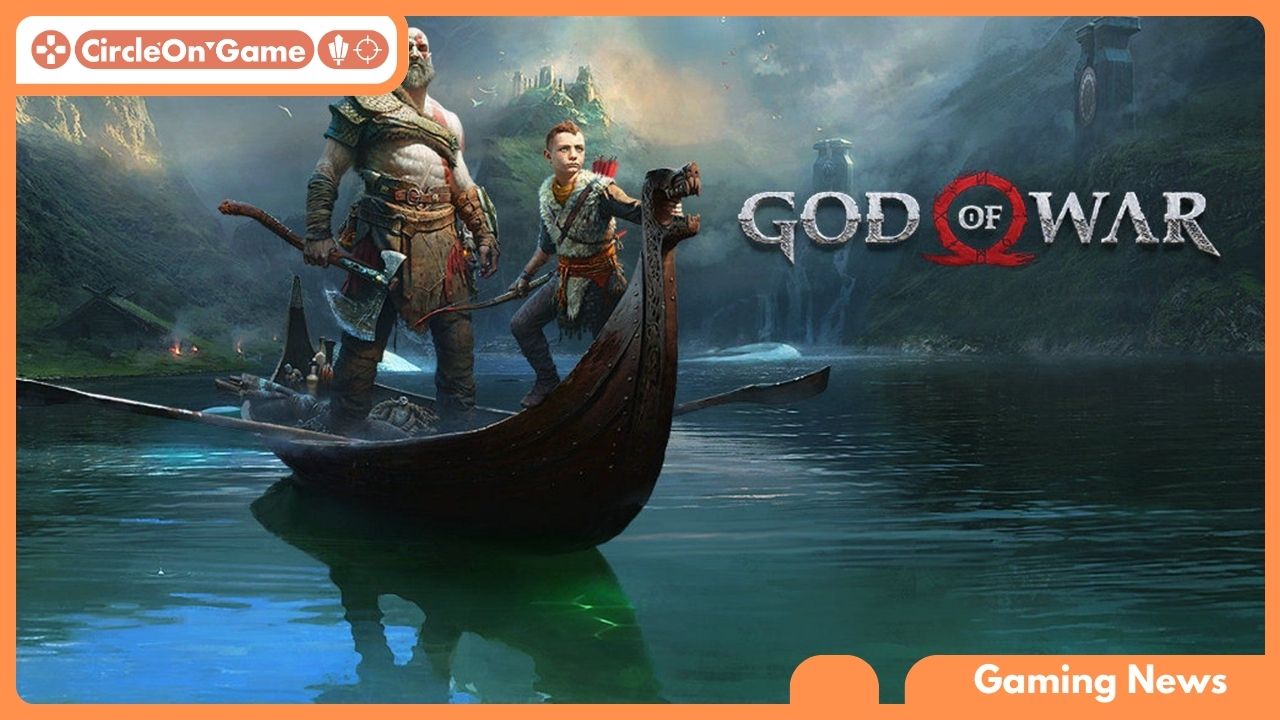

Within the universe of gaming, few franchises have established as significant a legacy as God of War. Since it emerged in the early 2000s and its more recent reimagining, which has engaged a fresh audience, this monumental saga intricately weaves together themes of vengeance, redemption, and the vast expanse of mythological narratives. As we journey through the history of God of War, we will chart the transformation of its legendary protagonist, Kratos—a character molded by sorrow and fortified with the strength of both gods and titans. Join us as we delve into how this series has not only revolutionized action-adventure gaming but has also struck a chord with players through its profound storytelling and breathtaking artistry. By unraveling the tale behind God of War, we discover the struggles and successes of a franchise that ceaselessly challenges norms and continues to evoke awe within the gaming community.
The Creation of an Icon: The Roots of God of War in Mythology
The story of God of War’s inception is a captivating narrative interlaced with the annals of gaming history, where ancient legends meet innovation. The franchise made its debut in 2005, developed by Santa Monica Studio and brought to life by Sony Computer Entertainment. Drawing inspiration from Greek mythology, the storyline follows Kratos, a Spartan fighter ensnared in a web of treachery and retribution against the very gods. The decision to tap into these age-old myths not only created a rich narrative backdrop but also formed a distinctive gameplay framework, allowing players to wield divine powers, utilize iconic chains, and confront colossal adversaries. Centered on themes of revenge and redemption, God of War swiftly emerged as more than just a video game; it became a cultural landmark.
As players immersed themselves in this ancient realm, they encountered a unique storytelling approach that seamlessly fused intense combat with emotional resonance—an experience rare in action games of that era. Kratos, with his harrowing history and unwavering resolve, epitomized a new kind of hero—flawed, complicated, and haunted by inner demons. The series redefined the action-adventure genre, stretching the limits of gameplay while drawing from a rich reservoir of mythology. With each new title, the lore expanded, eventually incorporating Norse mythology, allowing the narrative to evolve while retaining its thematic core. This sophisticated interplay of legend and design has birthed a franchise that continues to strike a chord with audiences worldwide, affirming its status in the pantheon of video gaming history.
Read More: The Ultimate Open World RPGs to Dive Into in 2024!
The Shift in Gameplay: Navigating the Mechanical Transformations of the Franchise
The God of War series has experienced a remarkable evolution in its gameplay mechanics, transitioning from linear combat into a more immersive and strategic experience. The initial titles emphasized fast-paced, arcade-style gameplay where players controlled Kratos wielding his Blades of Chaos, executing visually spectacular combos against hordes of mythic foes. This model, bolstered by quick-time events and cinematic finishers, forged an exhilarating atmosphere that captivated gamers. However, with the reboot in 2018, the developers adopted a more intricate approach, emphasizing narrative richness and character development. This renewal saw the introduction of revised combat dynamics that integrated precision hits, a single-camera perspective, and elements of role-playing, enhancing tactical decision-making during combat while deepening the overarching narrative experience.
Additionally, the introduction of Atreus as a companion diversified the gameplay and deepened emotional connections within the story. Players were no longer solely in control of the wrathful Kratos; they also navigated his multifaceted relationship with his son, enriching both battle tactics and problem-solving aspects. The synergy between father and son spanned various settings, encouraging cooperative strategies that heightened engagement and enriched the overall gaming experience. This transition from untempered aggression to a blend of action and nuanced storytelling exemplifies the franchise’s dedication to innovation, ensuring that each new release remains engaging while honoring its foundational identity. The God of War series stands as a testament to the evolution of gameplay mechanics, illustrating how a celebrated franchise can adapt to modern gaming paradigms while preserving its original charm.
Storytelling Elegance: Analyzing the Narrative Techniques That Engage Players
Few gaming franchises have stretched the limits of storytelling like God of War. From the start, the series has employed complex narrative constructs that mesh mythological motifs with deeply personal themes, fully immersing players in its intricately developed universe. Kratos’s journey as the Ghost of Sparta delivers a compelling narrative arc that navigates the intricacies of vengeance, parenting, and atonement. As players advance through each chapter, they battle formidable adversaries while confronting profound personal loss and the consequences of their choices, skillfully juxtaposing grand combat with significant character development. This synthesis of mythology and personal narrative empowers players to engage with the plot on multiple levels, transforming them from mere spectators into emotionally invested participants.
Furthermore, God of War’s inventive use of perspective and cinematography significantly amplifies the storytelling experience. Seamless transitions between gameplay and cutscenes create a cinematic feel that blurs the boundary between the narrative and player agency. The recent installments’ choice of a continuous camera shot heightens tension and intimacy during pivotal moments, pulling players deeper into Kratos’s world. Thoughtfully crafted dialogues, along with environmental storytelling, enable players to explore lore and character motivations organically, making every corner of the game feel impactful and alive. The storytelling methods employed captivate audiences and reshape expectations surrounding video game narratives, establishing a new benchmark for immersive storytelling in this medium.
The Path Ahead for Kratos: Insights and Suggestions for Future Installments
As the God of War franchise forges ahead, both fans and critics ponder the trajectory of Kratos’s saga. With the Norse saga drawing to a close, the opportunity exists for exploring uncharted mythologies and realms. Speculations circulate regarding the potential return to Greek mythology, where Kratos may seek reconciliation with his tumultuous past, or the possibility of delving into fresh cultures such as Egyptian or Celtic myths, which could unveil captivating narrative avenues. Each mythology presents a rich array of deities, creatures, and ethical dilemmas that could confront Kratos in unprecedented ways, allowing for engaging gameplay that appeals to long-time fans as well as newcomers.
To maintain the momentum generated by recent releases, recommendations for future entries could prioritize the enhancement of character dynamics and increase player agency in storytelling. The portrayal of Kratos as both a father figure and survivor should remain a core theme, allowing players to explore concepts of legacy and self-discovery. Introducing cooperative gameplay mechanics could also inject new energy into the series, offering players a chance to experience the narrative together. Increased focus on side quests intricately linked with the main story could offer deeper immersion, encouraging players to explore the mythology while taking in the series’ noteworthy visuals and environmental narrative. The future holds remarkable prospects for Kratos, and his character’s evolution can redefine not only the God of War franchise but also the wider action-adventure gaming landscape.
Conclusion
As we bring the story of the God of War games to a close, we reflect on a journey that has transitioned from timeless mythologies to heartfelt tales of redemption, all while reshaping the action-adventure genre. From the initial sparks of Kratos’ fury in 2005 to the resonances of a new era rooted in Norse mythology, each installment has secured a distinctive position within the gaming world.
The God of War series’ evolution transcends mere advancements in gameplay and graphics; it stands as a powerful testament to the significance of storytelling and character depth. Each title invites players to engage with themes of vengeance, grief, and the challenges of parenthood, striking a profound chord with audiences around the world.
As we stand at the cusp of potential future journeys, the legacy of God of War remains a wellspring of inspiration—a reminder of the lasting impact that video games can have on our understanding of myth and morality. Whether you are a dedicated fan of Kratos’ adventures or a newcomer to this realm, one certainty prevails: the God of War franchise transcends mere epic confrontations; it is a narrative journey that compels us to face our own inner conflicts. Here’s to the forthcoming chapter in the saga of the Ghost of Sparta; may it continue to inspire and challenge players for years to come.