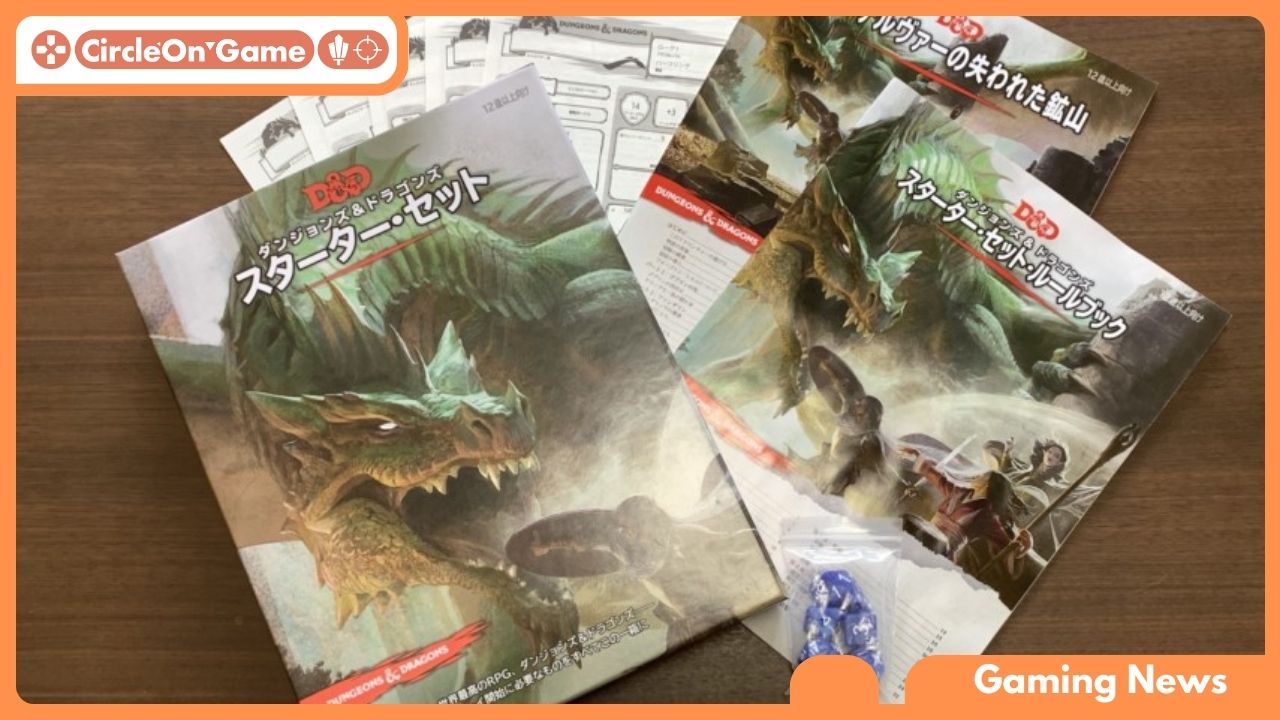

In the rich history of gaming, few genres have undergone such profound changes as role-playing games (RPGs). Originally sprouting from the imaginations of tabletop aficionados in the 1970s, RPGs served as a platform for storytelling where players rolled dice and created narratives illuminated by flickering candlelight and hand-drawn maps. Gathered around sturdy wooden tables, participants took on the personas of valiant heroes, crafting elaborate stories under the guidance of a dedicated game master. However, as technology advanced and the digital landscape blossomed, these immersive analog experiences evolved into something entirely new. The early pixelated dungeons of computer games paved the way for expansive, interactive online universes, reflecting a broader cultural movement towards digital connection and community interaction. This article delves into the enthralling evolution of RPGs, charting their origins, significant milestones, and speculating on future developments within this ever-evolving genre.
Origins of Role-Playing: Unearthing Fundamental Mechanics
RPGs are deeply rooted in the creative interplay of storytelling and social interaction, evolving from age-old traditions of oral storytelling and performance art. Early manifestations can be traced back to medieval live-action role-play events, where participants donned costumes to immerse themselves in the lives of knights, sorcerers, or mythological beings, collaboratively crafting tales shaped by the players’ imaginations. The significant leap to pen-and-paper formats in the 1970s, epitomized by Dungeons & Dragons (D&D), marked a turning point. This pioneering game established a complex framework of rules governing character traits, conflict resolution, and an intricate world-building process, allowing players to delve into fantastical experiences enriched by their creativity and joint storytelling efforts.
Central to RPGs is a distinctive mechanic that emphasizes player choice and consequences. Gamers design characters with unique traits, abilities, and backstories, providing a vehicle for personal expression and mutual storytelling. The use of dice introduces an element of chance that enhances narrative unpredictability, mirroring the complexities of real-life choices. As RPGs transitioned from tabletop settings to digital formats, core gameplay mechanics evolved alongside advancing technologies, enabling vast interactive universes, yet preserving the foundation of player agency. This ongoing relationship between structure and creative freedom continues to define RPGs, demonstrating how the roots of role-playing have expanded into diverse forms that echo the essential elements of exploration, collaboration, and limitless imagination.
Read More: Unlocking Nostalgia: A Deep Dive into Final Fantasy VII Rebirth
Digital Revolution: Critical Innovations in Online RPGs
The realm of role-playing games experienced a monumental transformation with the rise of digital technology, reinterpreting how players interact with stories, characters, and mechanics. A pivotal innovation was the advent of virtual tabletop platforms, which recreated the familiar ambiance of traditional pen-and-paper RPGs while enhancing functionality. Tools like Roll20 and Fantasy Grounds merged character sheets, dice rollers, and maps into a cohesive experience, allowing players to collaborate in real-time from opposite ends of the globe. With the integration of voice and video communication, geographical barriers dissolved, leading to friendships and collaborative narratives flourishing in a shared digital environment.
Additionally, the rise of Massive Multiplayer Online Role-Playing Games (MMORPGs) represented a significant milestone, welcoming thousands of players to share the same virtual world concurrently. Games such as World of Warcraft and Final Fantasy XIV reimagined community engagement, encouraging guilds to create their own vibrant ecosystems, fostering narratives that extended well beyond individual gameplay. These titles not only introduced expansive storytelling dimensions but also complex loot systems and dynamic narratives that evolved based on player interactions, increasing engagement and instilling a sense of ownership over their adventures. This combination of community building and immersive gameplay established the digital RPG as a rich and intricate tapestry, forever transforming the journey from fantasy to reality.
Multiplayer and Community: The Impact of Collaborative Dynamics in RPGs
The essence of RPGs has always revolved around narratives, creativity, and shared adventures. As tabletop games transitioned into digital formats, the emergence of multiplayer dynamics added a thrilling layer of complexity and connectivity among players. These interactions transformed what used to be a solitary process of character creation and storyline exploration into a shared journey. Gamers now unite in expansive worlds, taking on quests that challenge individual skills while requiring teamwork, tactics, and clear communication. Within these virtual landscapes, friendships blossomed as players encountered new allies from across the globe, bonded by shared objectives, forging powerful in-game alliances that translated into enduring real-life relationships.
Moreover, multiplayer aspects deepened character development and narrative depth, as personal choices influenced the larger community and surrounding environments. Players began to shape collective stories, where every decision bore significant consequences, resonating through the game world. This paradigm shift prompted a broader perspective, urging players to consider the impact of their choices on allies and rivals alike, nurturing a more enriching, immersive atmosphere. Through every raid and quest, participants gleaned insights into the value of cooperation, weaving a tapestry of interlinked narratives that celebrated collective creativity and innovation in the RPG landscape.
Future Trends in RPGs: Anticipating the Next Chapter in Gaming
As we advance further into the digital era, the RPG landscape is rapidly changing, molded by groundbreaking technologies and evolving player expectations. One particularly thrilling development is the incorporation of artificial intelligence, which is fundamentally altering the ways narratives unfold within RPGs. AI-enhanced non-player characters (NPCs) can now adjust their behaviors and storylines in real-time, crafting uniquely personalized experiences responsive to each player’s decisions. This level of interactivity heralds a new age of dynamic storytelling, granting players deeper connections not only with their characters but also with the worlds they explore.
Simultaneously, the rise of virtual reality (VR) and augmented reality (AR) is redefining player engagement in RPGs. With VR, players transition from passive observers to active participants within richly detailed environments, interacting with their surroundings as they would in the real world. AR technology expands this experience by blending virtual elements with real-life settings, enabling players to undertake quests and encounter fantastical creatures within their daily environments. Such advancements promise a future where RPGs transcend conventional gaming to become profound immersive experiences, inviting players to fully inhabit their adventures.
Conclusion: Reflecting on the Ongoing Journey of RPGs
As we wrap up our exploration into the captivating evolution of role-playing games, it becomes clear that these immersive experiences have transformed dramatically over the years. From their modest beginnings as pen-and-paper ventures, where the mind’s eye drove creativity, to today’s extensive and intricate digital landscapes, RPGs have consistently mirrored and shaped the cultures they inhabit.
The fusion of storytelling, strategy, and character exploration has not only cultivated a passionate community of players but has also left a notable mark on various art and entertainment domains. As technology evolves, we can only anticipate the exciting new dimensions that lie ahead—perhaps including virtual reality narratives, adaptive storytelling, and RPGs seamlessly integrated into our everyday experiences.
Whether you’re a longtime tabletop enthusiast or a newcomer diving into expansive online realms, the spirit of RPGs continues to thrive, embodying the essence of collaboration, creativity, and the infinite possibilities that reside within our imaginations. The adventure is only just beginning; it’s evolving, and together, we’re writing the next chapter.