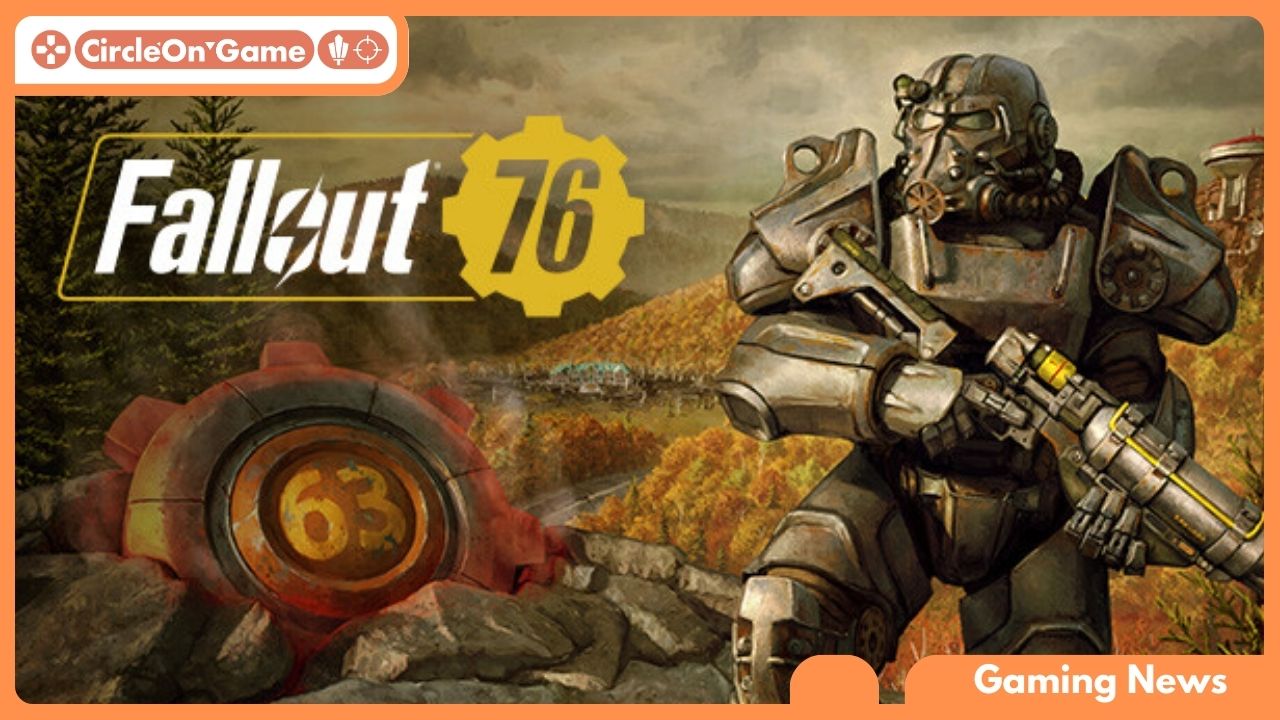

In the realm of video games, few titles ignite as much conversation, debate, and speculation as Bethesda’s bold venture into the world of Fallout 76. Launched with high hopes and grand expectations, the game aspired to chart a fresh path for the cherished franchise, enticing players to immerse themselves in a shared world drenched in the remnants of humanity’s mistakes. What began as a symbol of radical potential soon morphed into a narrative interwoven with disillusionment and hurdles, as the challenges of multiplayer gameplay clashed with the legacy established by earlier entries in the series. This article serves as a comprehensive examination of Fallout 76’s trajectory—from its groundbreaking launch and initial reception to the hurdles encountered and the insights gathered throughout its evolution. Join us as we unravel the story of Fallout 76, a journey characterized by ambition, creativity, and an ongoing quest for revitalization.
Launch and Initial Impressions: A Promising Debut
When Fallout 76 stepped into the gaming spotlight in November 2018, it erupted with anticipation akin to a thunderous explosion. Fans eagerly yearned for a multiplayer experience set against the backdrop of the iconic post-apocalyptic universe, drawn in by the allure of expansive landscapes, engaging interactions with fellow players, and the excitement of crafting their own survival stories in West Virginia’s wasteland. Bethesda’s visionary attempt to construct a dynamic world where relationships could blossom or chaos could reign captivated many, prompting a flood of players eager to engage in this new chapter of a beloved saga.
However, as the initial excitement faded, the complications of the gaming experience began to surface. Numerous players reported a myriad of technical glitches and performance problems, ranging from frequent crashes to erratic NPC behaviors, all of which fell short of the high standards established by Bethesda. The once-thrilling anticipation gave way to disappointment as issues inundated the gameplay mechanics, hampering the promised social experiences. The gaming community’s response transformed, with ire voiced on forums and social platforms, prompting an ongoing discourse about whether Fallout 76’s ambitious vision could be salvaged or if it had succumbed to the tumultuous rush to capitalize on multiplayer gaming trends.
Gameplay Evolution: From Technical Issues to Player-Led Creativity
The evolution of Fallout 76 over time has been defined by the intriguing relationship between its overwhelming glitches and the inventive responses of its player base. In the wake of a bumpy launch, players encountered an avalanche of bugs that, although initially disheartening, quickly became sources of amusement and creativity. Gamers found methods to utilize these glitches, transforming frustrations into playful escapades or clever ways to traverse the challenging wasteland. Communities flourished around these shared experiences, creating guides and tutorials that outlined how to navigate a world that occasionally defied normal gameplay rules. This collective ingenuity injected vitality into the game, turning flaws into defining characteristics of the Fallout 76 journey.
As time progressed, the community shifted from merely reacting to the game’s inconsistencies to actively reshaping its environment. Players initiated events, constructed elaborate bases, and devised complex challenges that rivaled those created by the developers. User-generated modifications and unofficial updates added layers of sophistication that had originally eluded Bethesda‘s vision, highlighting the incredible influence of player engagement on a game’s identity. This transition not only cultivated a sense of unity among players but also demonstrated the Fallout franchise’s durability, showcasing a commitment that transcended the game’s rocky beginnings and set the stage for future updates and expansions aimed at reviving the series.
Read More: Top Free-to-Play MMORPGs to Dive Into in 2024!
Rebuilding a Legacy: Insights from Fallout 76
Restoring a franchise like Fallout 76 necessitates a deep comprehension of the missteps that led to its initial lukewarm feedback and the necessary actions to regain the trust of a devoted player community. A pivotal lesson during this revival process is the significance of openness and communication. Initially, Bethesda encountered backlash for not providing adequate information on game updates and ongoing issues, leaving players feeling neglected. By fostering transparent dialogue through forums, developer updates, and social media platforms, the company gradually rebuilt its relationship with the player community, demonstrating that active listening and genuine improvement can significantly influence public opinion.
Encouraging community feedback in the development of new content proved to be equally essential. The introduction of seasonal events and the addition of eagerly anticipated features—such as NPCs and questlines—transformed the gaming experience into a more captivating one. This strategy illustrated that franchises could adapt and grow through player participation. By recognizing that their community plays a vital role in the development journey, Bethesda underscored the importance of collaborative engagements in revitalizing the gaming experience. Fallout 76’s evolution reiterates that by addressing past failures and embracing community involvement, franchises can overcome adversity and rekindle enthusiasm among their player base.
Future Strategies: Ensuring Success in the Online Gaming Sphere
As the gaming landscape continues to transform, developers must embrace innovative strategies to enhance player experiences while simultaneously bolstering community loyalty. A crucial approach is the integration of player feedback into the design and enhancement processes. Fallout 76’s initial challenges exemplified the importance of actively engaging with players through forums, surveys, and social media interactions. By establishing a feedback loop, developers can gain a clearer understanding of their audience’s needs and concerns, resulting in tailored updates that truly resonate with them. This practice fosters a sense of shared ownership of the game, which is essential for rebuilding trust post-launch.
Moreover, harnessing emerging technologies will be vital for future endeavors. The advent of cloud gaming and the push for cross-platform compatibility open doors for enhanced inclusivity and accessibility. Gaming companies can bolster their offerings by investing in robust server technologies and ensuring seamless cross-device experiences. Incorporating live events, dynamic updates, and immersive narratives can enhance engagement and create a lively game world. By prioritizing these elements, developers can build a more sustainable and enjoyable gaming ecosystem that attracts new players while reigniting the passion of long-standing veterans, ensuring long-term success in a competitive industry.
Conclusion: A Reflection on Fallout 76’s Journey
As we conclude our examination of Fallout 76’s tumultuous odyssey, we are reminded of both the heights of ambition and creativity and the depths of challenges and lessons learned. In an environment where player expectations intersect with the complexities of game development, Fallout 76 serves as a poignant illustration of the volatility within the digital realm. From its shaky launch to its subsequent transformations, the game has evolved into a case study on resilience and adaptability. It stands as a testament to the devoted community that chose not to abandon it and to the developers striving to mold it into something extraordinary.
As players continue their ventures across the post-apocalyptic landscapes, one principle remains indisputable: while every ascent may lead to an inevitable decline, it is the strength and determination to rise anew that defines our legacy. The story of Fallout 76 may pause for now, yet its repercussions on the gaming industry—and the valuable lessons it teaches—will resonate for years ahead. We are left contemplating inquiries that reach far beyond the confines of this game: What does it truly mean to rebuild? How can we cultivate a sense of community within virtual environments? And, most fundamentally, how can players and creators alike continue to shape the future of the gaming world?