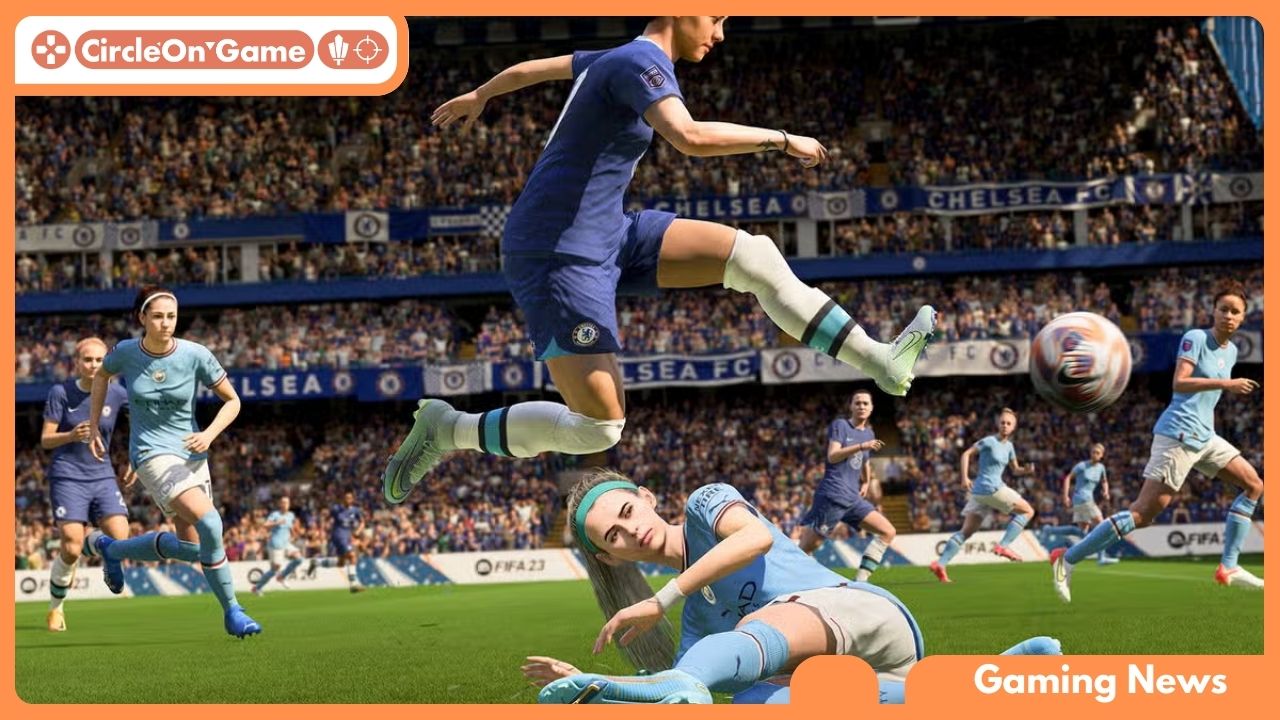

In the expansive world of digital soccer, two prominent titles have emerged as favorites among players and fans: FIFA and eFootball. Each game presents its own interpretation of the iconic sport, showcasing impressive graphics, detailed gameplay mechanics, and realistic player animations. As these franchises compete for supremacy, they’ve significantly altered our experience of soccer in a virtual context, igniting passionate discussions concerning which game truly deserves the top spot. This article will explore the intricacies of FIFA and eFootball, highlighting their respective strengths, weaknesses, innovations, and audience engagement. Whether you’re a devoted fan of one title or a curious newcomer, join us as we navigate the realm of virtual football to determine which game proves to be the finest.
Gameplay Mechanics: Exploring Realism and Depth
When evaluating the gameplay mechanics of FIFA versus eFootball, one must consider the distinctive systems that characterize each game. FIFA is renowned for its smooth and fluid animations, combined with intuitive player controls that immerse players into each match. The introduction of HyperMotion technology enhances the realism with lifelike player movements and interactions on the field. Players can dive into intricate layers of strategy with features like skill games and position-specific tactics, empowering them to approach matches not just as players, but as tacticians manipulating formations to gain an edge. This complexity caters to gamers who favor a detailed simulation of football, providing immersive experiences synonymous with the franchise.
Conversely, eFootball forges its own path, emphasizing a more authentic approach to gameplay mechanics. With its innovative Move Realistic Ball Dynamics, eFootball seeks to replicate the unpredictable essence of actual soccer, where the ball’s movement influences unforeseen outcomes and player responses. The incorporated physics engine grants players a sense of weight and responsiveness, necessitating skill and precision in movement. eFootball’s graphics and animation continually evolve to encapsulate the subtle nuances of player actions and strategies, catering to those yearning for an authentic sporting simulation. Though it may lack some of the polish found in FIFA, its dedication to a genuine portrayal of football provides a distinctive allure that is hard to overlook.
Read More: eFootball 2024 Unleashed: Discover Konami’s Game-Changing Updates and Exciting Enhancements!
Aesthetic Brilliance: A Look at Graphics and Presentation
In football video games, visual aesthetics play a critical role in enhancing player immersion. FIFA has earned accolades for its breathtaking visual appeal, leveraging advanced graphics and realistic animations to create an engaging environment. The meticulously crafted player models, alongside vibrant stadium settings, elevate every match to feel like a genuine sporting event. Stunning lighting effects and dynamic crowd movements amplify the atmosphere, ensuring that each goal and surprise moment resonates with excitement. The menus and UI are also well-designed, providing a visually stimulating experience that elegantly showcases the game’s features.
eFootball, however, adopts a more understated but uniquely artistic approach to its visual presentation. While it may not always reach FIFA’s high graphic standards, eFootball emphasizes the necessity of realism in gameplay by prioritizing fluidity and player response. The developers aim for a stylistic design that aligns well with its gameplay mechanics, using distinct color palettes and textures to evoke a raw, authentic football experience that reflects the intensity of the sport. As eFootball develops further, it strives to enhance its graphical style while enriching its presentation elements, establishing its individual identity in the competitive gaming landscape.
Player Interaction: Online Features and Community Engagement
The online capabilities offered by FIFA and eFootball greatly influence player interaction within their communities. FIFA’s Ultimate Team mode has created a thriving community where players can trade cards, assemble rosters, and join in various dynamic tournaments. This facet fosters competition and camaraderie, as gamers often share strategies and insights through social media and forums. Moreover, FIFA’s live events and periodic updates keep discussions vibrant, generating excitement for new content that engages a wide audience.
In contrast, eFootball presents a more streamlined method of player engagement, emphasizing a realistic football experience that resonates with traditionalists. While it may lack the extensive features of FIFA, this game focuses on tactical authenticity, encouraging players to exchange thoughts on formations and play styles. The introduction of cross-platform play broadens player interactions and facilitates diverse tournaments that cross typical gaming boundaries. Both games offer distinct community experiences, allowing players to choose based on their preferred styles of interaction and friendly debates about which title truly provides the ultimate football experience.
Monetization Models: Assessing Value for Players
As football video games evolve, monetization strategies emerge as a pivotal element for developers striving to balance profitability with player satisfaction. FIFA adopts a model heavily reliant on Ultimate Team packs and seasonal passes that entice gamers with premium items and pay-for-progress systems. On the other hand, eFootball opts for a more player-friendly approach, featuring free-to-play access supplemented with optional microtransactions, creating an inclusive community for players who might find FIFA’s costs prohibitive.
Analyzing the worth of these respective games reveals the ongoing friction between instant gratification and deeper engagement. FIFA’s monetization strategy might pose barriers for casual gamers, yet it often results in a richer experience for those ready to invest time and resources. With regularly updated features, extensive game modes, and a wide array of licensed teams, FIFA offers a vast playground. Meanwhile, eFootball’s more lenient financial entry point may attract new players, yet it could face challenges in providing the same level of depth and content richness, raising concerns about long-term loyalty. Ultimately, these differing monetization philosophies reflect not only their developers’ strategies but also the evolving expectations of a passionate gaming community.
Conclusion
As we conclude our exploration of the dynamic world of football gaming, it’s clear that the contest between FIFA and eFootball transcends mere graphics and gameplay; it stems from our shared passions and preferences. Whether you align with FIFA’s polished presentation and extensive licenses or appreciate eFootball’s innovative mechanics and commitment to realism, the ultimate decision lies with you, the player.
In an era defined by rapid technological advancements, both titles continue to carve their unique paths, adapting to the demands of their loyal fanbases. The pitch may be digital, but the stakes are high, and the excitement is palpable.
As you lace up your virtual boots and navigate the digital arenas, remember that it’s not solely about which game claims the crown; it’s about enjoying the thrill of the beautiful game—whether it’s played on a field or from the comfort of your home. Whichever title you choose, may your gaming adventures be filled with memorable moments and thrilling victories. Game on!