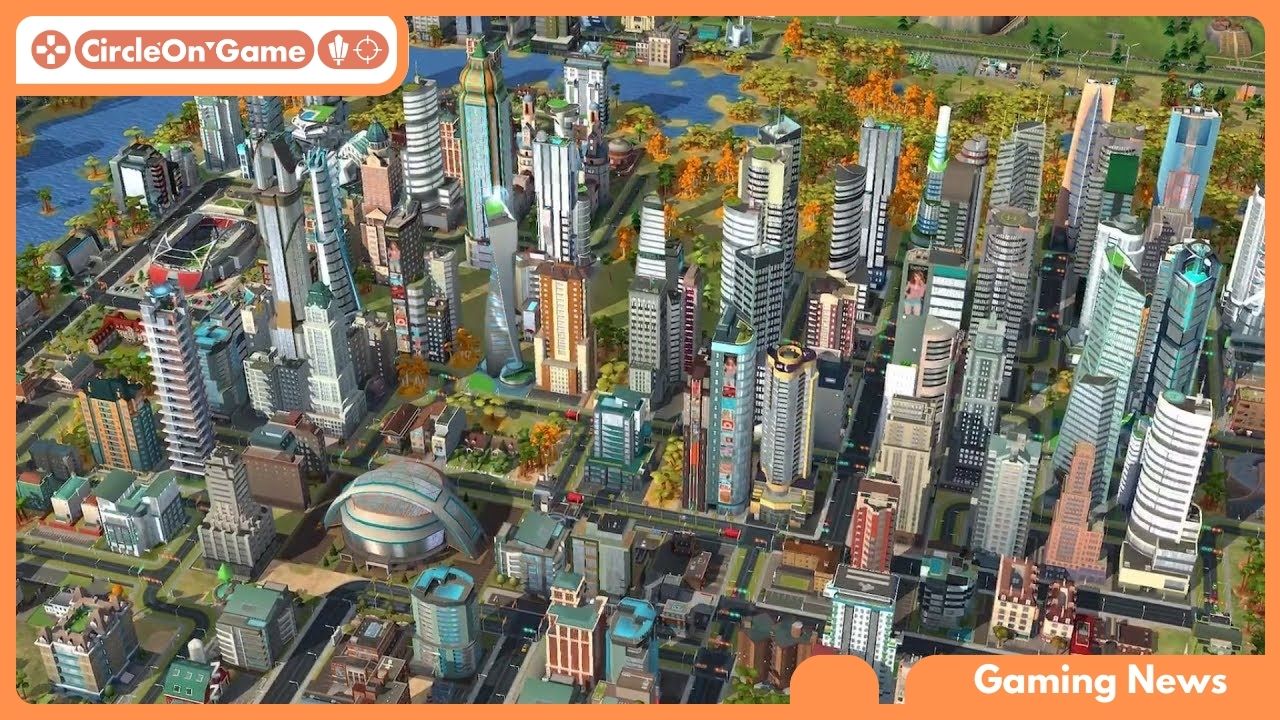

In a world where the frenetic pace of urban life intertwines with the aspirations of human ingenuity, city-building simulations have emerged as a unique bridge between creativity and structure. At the heart of this digital landscape lies ”SimCity,” a groundbreaking title that not only redefined gaming but also painted a vivid portrait of urban planning’s complexities and triumphs. As pixels transformed into sprawling metropolises, players were granted the pulsing heart of city management, grappling with challenges both familiar and fantastical. Yet, the legacy of “SimCity” extends far beyond its initial launch, sparking a genre that has continued to evolve and inspire. From the lush parks of “Cities: Skylines” to the intricate ecosystems of “Anno,” each iteration pushes the boundaries of simulation, inviting new generations to envision and construct their ideal urban environments. In this exploration, we will delve into the rich history, cultural impact, and innovative future of city-building simulations, tracing their journey from pixelated blueprints to the immersive worlds of today.
The Evolution of City-Building Simulations from SimCity to Modern Masters
From its groundbreaking debut in 1989, SimCity revolutionized video games by introducing players to the intricacies of urban planning and management. This early title set the stage for the genre, allowing players to design sprawling metropolises or crumbling municipalities, all while balancing budgets, infrastructure, and citizen happiness. Its pixelated charm and deceptively simple interface masked the profound strategic depth of city-building. Over the years, iterations of this classic have introduced increasingly complex systems, enabling players to navigate multifaceted challenges such as zoning laws, environmental concerns, and public transportation systems, inevitably laying the groundwork for future titles.
As technology advanced, so too did the design philosophies behind city-building simulations. Modern entries, like Cities: Skylines, offer unparalleled realism and customization, with intricate modding communities breathing new life into gameplay. These contemporary titles have pushed the envelope, incorporating features such as dynamic weather systems, real-time traffic management, and even social dynamics among inhabitants, providing a richer experience that goes far beyond the original blueprint. The evolution from the rudimentary mechanics of SimCity to the sophisticated simulations of today highlights an ever-growing appreciation for the art of city-building, inviting players to not just create but also to understand the delicate balance of real-world urban ecosystems.
Read More: Is Playing Path of Exile Still a Smart Choice in 2024?
Integrating Realism and Creativity: The Balance in City Management Games
In the realm of city management games, a delicate dance between realism and creativity emerges, captivating players and developers alike. Realism serves as a foundation for authentic urban planning, where elements such as resource allocation, infrastructure development, and environmental sustainability reflect the complexities of real-world city management. Players must grapple with issues like traffic congestion, budget deficits, and community satisfaction, all while navigating the unpredictable social dynamics that cities encapsulate. This grounding in reality not only enhances immersion but also fosters a deeper understanding of civic responsibilities, enticing players to invest emotionally in their virtual cities.
Conversely, the creative element injects a sense of wonder and possibility into the gameplay, encouraging players to dream beyond the constraints of real-world limitations. With tools to design fantastical structures, create vibrant parks, or even incorporate elements of magic and science fiction, city management games empower players to explore imaginative visions of urban life. This freedom allows for experimentation and the enjoyment of building cities that reflect personal tastes and quirky visions. Striking this balance between realism and creativity is essential, as it invites both the pragmatist and the dreamer to partake in a shared journey where their cities can thrive through innovative solutions and artistic expression, ultimately enriching the gameplay experience.
Exploring Community and Player Engagement in Urban Simulation
Urban simulation games have long captivated players not just for their intricate mechanics but for the vibrant communities that emerge around them. As players delve into the architectural intricacies and resource management strategies of city-building, they inevitably share insights, strategies, and experiences within forums and social media platforms. This engagement fosters a sense of belonging among enthusiasts, transforming solitary gameplay into a collaborative exchange. Players celebrate their cities through the art of storytelling, often sharing screenshots of their meticulously crafted landscapes, which can spark inspiration and ignite a rich dialogue about urban design aesthetics.
Moreover, developers have recognized the power of community engagement, often integrating user-generated content into their platforms. Mods and custom content allow players to personalize and enhance their gameplay experiences, while contests and community challenges encourage creativity and friendly rivalry. This participatory framework not only deepens players’ connection to their virtual cities but also cultivates an ongoing narrative that extends beyond the game. As players share their triumphs and challenges, they explore real-world urban planning concepts, blurring the lines between virtual and actual city environments, and ultimately enriching the gameplay experience in ways that reflect their collective imaginations and aspirations.
Tips for Creating the Ultimate Virtual Metropolis: Lessons Learned from the Genre
Creating the ultimate virtual metropolis involves a delicate balance of planning, creativity, and meticulous attention to detail. One key lesson from city-building simulations is the importance of understanding the interconnections between various systems within the city. From transportation networks to zoning laws, each element plays a vital role in the overall success of the metropolis. By adopting a holistic approach that considers the impact of one choice on another, builders can create a city that simulates real-world functionality while offering opportunities for unique design choices. Emphasizing the role of public services, like education and healthcare, can enhance the virtual experience, fostering positive citizen satisfaction and unveiling new challenges to tackle as the city evolves.
Another valuable insight is the necessity of adaptability in city-building endeavors. Players should embrace the unpredictable nature of virtual urban development, responding to crises such as natural disasters, economic downturns, or citizen protests. Flexibility in updating infrastructure, reassessing resource allocation, and implementing sustainable practices can lead to a more dynamic and engaging gameplay experience. Moreover, integrating diverse environmental elements, such as parks and recreational spaces, not only enhances aesthetic appeal but also boosts the overall livability of the city. By prioritizing these elements, creators can craft an engaging narrative that captivates users and reflects the complexities of modern urban living, ultimately enriching their gaming experience.
Concluding Remarks
As we draw the curtains on our exploration of “SimCity and Beyond: The Legacy of City-Building Simulations,” it’s evident that the realm of virtual urban planning transcends mere pixels and code. From the bustling streets of SimCity to the sprawling landscapes of modern titles, city-building simulations have not only entertained millions but also challenged players to think critically about the intricate balance of growth, sustainability, and community within a city.
These virtual environments serve as canvases for our dreams and dilemmas, allowing us to experiment with architectural innovation and social dynamics without the constraints of reality. They mirror our greatest aspirations for urban living and serve as a sobering reflection of the challenges we face in our own cities.
As technology continues to evolve, so too will the ways in which we design, manage, and interact with virtual spaces. The legacy of city-building simulations is not merely contained in their interactive gameplay but also lies in their lasting influence on how we perceive and shape our urban landscapes. Whether you’re a devoted mayor in a digital realm or a curious newcomer, one thing remains clear: the allure of building cities will persist, inspiring future generations to craft the metropolises of tomorrow—both in game and in life.