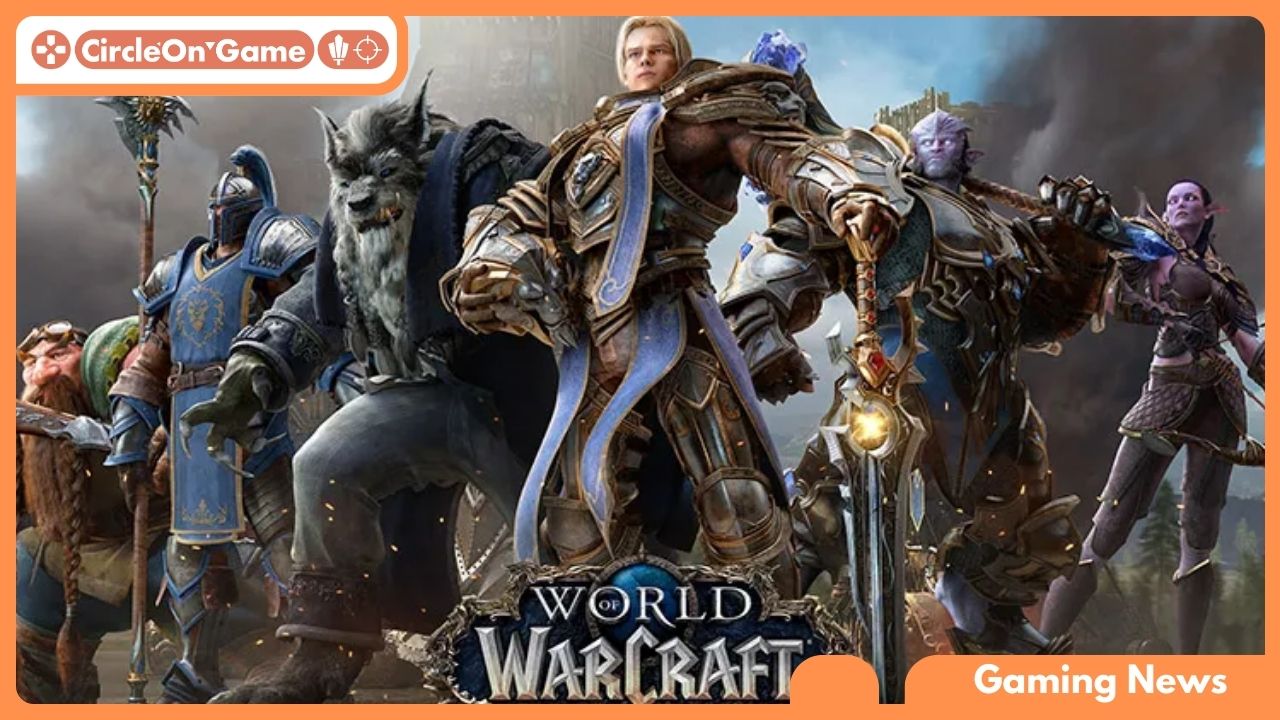

In the realm of digital entertainment, few stories resonate as profoundly as that of “World of Warcraft” (WoW). Launched in 2004 by Blizzard Entertainment, this sprawling multiplayer universe transformed the landscape of online gaming, creating not just a game, but a cultural phenomenon. From its humble beginnings as a desktop application to becoming a virtual world inhabited by millions of adventurers, WoW’s journey is a testament to innovation and community. As we delve into the intricacies of its success—examining the factors that fueled its rise, the challenges it faced, and the legacy it continues to build—prepare to embark on an exploration of epic quests, fierce alliances, and the enchanting allure of Azeroth itself. Join us as we uncover the elements that have made “World of Warcraft” a beacon in the gaming industry, illustrating not only how a game can thrive but also how it can forge connections across the globe.
The Evolution of Gameplay Mechanics and Player Engagement
From its inception, World of Warcraft revolutionized gameplay mechanics, merging complex role-playing elements with an expansive, immersive world. Players were no longer confined to linear paths; they could explore vast landscapes, each filled with quests that dynamically evolved based on their actions. The synergy of player cooperation in raids and battlegrounds fostered a sense of community that transcended traditional gaming experiences. This engaging design not only encouraged social interactions but also cultivated a dedicated player base eager to navigate intricate strategies. The mechanics of leveling up, acquiring loot, and customizing character builds became a form of art, enticing players to invest countless hours into honing their skills and achieving milestones.
As the game evolved, so too did the developers’ understanding of player engagement. Regular updates and expansions introduced fresh content, encouraging players to return and explore new dimensions of gameplay. The introduction of features such as achievement systems and community events turned mundane tasks into rewarding challenges, further enhancing player motivation. By allowing players to express their individuality through customization options and championing user-generated content, World of Warcraft cultivated a dynamic ecosystem where players felt valued and invested. This ongoing evolution not only maintained interest among veterans but also attracted new players, solidifying the game’s position as a cultural phenomenon and testament to the power of innovative gameplay mechanics.
Read More: RuneScape Classic Rediscovered: The Enduring Charm of a Digital Classic
Community Building: Fostering Connections in an Expansive Universe
In the sprawling realms of Azeroth, where bustling cities and tranquil glades intertwine, the essence of community thrives amidst the chaos of battles and quests. Players from diverse backgrounds gather not just for glory, but to forge lasting relationships that extend far beyond the screen. The formation of guilds serves as a testament to this, as groups unite under a common banner, sharing goals, stories, and support. Through late-night raids, spontaneous adventures, and festive in-game gatherings, these players cultivate a sense of belonging, transforming what once was a solitary experience into a collaborative journey rich with shared triumphs and challenges.
Within this vibrant tapestry of camaraderie, players find a sanctuary that nurtures connections. Friendships blossom as members assist each other in navigating the complexities of dungeons or the trials of player-versus-player combat. Beyond the mechanics of the game, these relationships evolve into bonds of trust and loyalty, with players celebrating each other’s achievements and offering solace during setbacks. Through forums, Discord channels, and social media, the reach of these connections expands, allowing players to maintain relationships that span continents and time zones. The success stories emerging from this shared universe highlight a fundamental truth: in a world where challenges are abundant, it is the strength of community and shared experiences that ultimately propels individuals to greatness.
Monetization Strategies: Balancing Free-to-Play and Subscription Models
In the ever-evolving landscape of online gaming, World of Warcraft (WoW) has masterfully navigated the delicate interplay between free-to-play elements and subscription services. By offering free trials and periodic content updates, Blizzard Entertainment has successfully lowered the barrier to entry, enticing new players to explore the vastness of Azeroth without immediate financial commitment. This strategy not only broadens their audience but also creates a sense of community among a diverse player base. Once engaged, players are often more willing to invest in the subscription model, which unlocks a treasure trove of premium content, including expansive expansions, exclusive quests, and early access to updates. This strategic blend amplifies player retention while ensuring a steady revenue stream that fuels ongoing development.
Furthermore, WoW’s approach to monetization embraces flexibility, catering to varying player preferences and gaming habits. Seasonal events and limited-time promotions incentivize lapsed players to return, while the introduction of optional cosmetic microtransactions allows those who prefer to spend a little more to enhance their gaming experience without disrupting the balance for others. This dual-model system ensures that the core gameplay remains accessible, while also appealing to players eager for a curated experience. By continually assessing player feedback and market trends, Blizzard adeptly maintains a balance that keeps the community engaged and thriving, underscoring the success of their innovative monetization strategies in the crowded gaming arena.
Cultural Impact: How World of Warcraft Shaped Gaming Narratives and Trends
The profound influence of this iconic MMORPG on gaming narratives is undeniable, as it set a benchmark that both players and developers continue to reference today. By intertwining elaborate lore with a sprawling, interactive world, it has redefined what storytelling in games can achieve. Players are not only participants but also co-authors of their own epic sagas, navigating through a tapestry of quests, character development, and deep lore that has become a model for subsequent titles. This shift towards immersive storytelling has led to a generation of games that prioritize narrative depth, enriching the player experience and elevating the role-playing genre to new heights.
Moreover, the trends initiated by this landmark title reverberate throughout the industry. The incorporation of social elements, such as guilds, cooperative play, and community-driven events, has reshaped how players interact within games, transforming solitary gaming experiences into collaborative adventures. Various titles have since adopted these multiplayer dynamics, fostering vibrant communities and expanding the horizons of interactive entertainment. By establishing a blueprint for success, the game not only captivated millions but also inspired a wave of innovation, proving that the fusion of engaging narratives and social connectivity is a recipe for sustained interest and loyalty in the gaming realm.
In Summary
The journey of World of Warcraft serves as a fascinating case study in the realm of digital entertainment. From its ambitious launch in 2004 to its evolution over the years, the game has not only captivated millions of players but has also shaped the landscape of the gaming industry. Its success is rooted in a unique combination of immersive storytelling, community engagement, and continuous innovation, creating a vibrant ecosystem that remains relevant in an ever-changing world. As we reflect on its legacy, it becomes clear that World of Warcraft is more than just a game; it is a cultural phenomenon that has transcended boundaries and redefined what a virtual universe can be. Whether you’re a seasoned player or a curious newcomer, the story of WoW invites us all to explore the vast realms of possibility that lie within the gaming world, reminding us of the power of imagination and connection in a digital age.