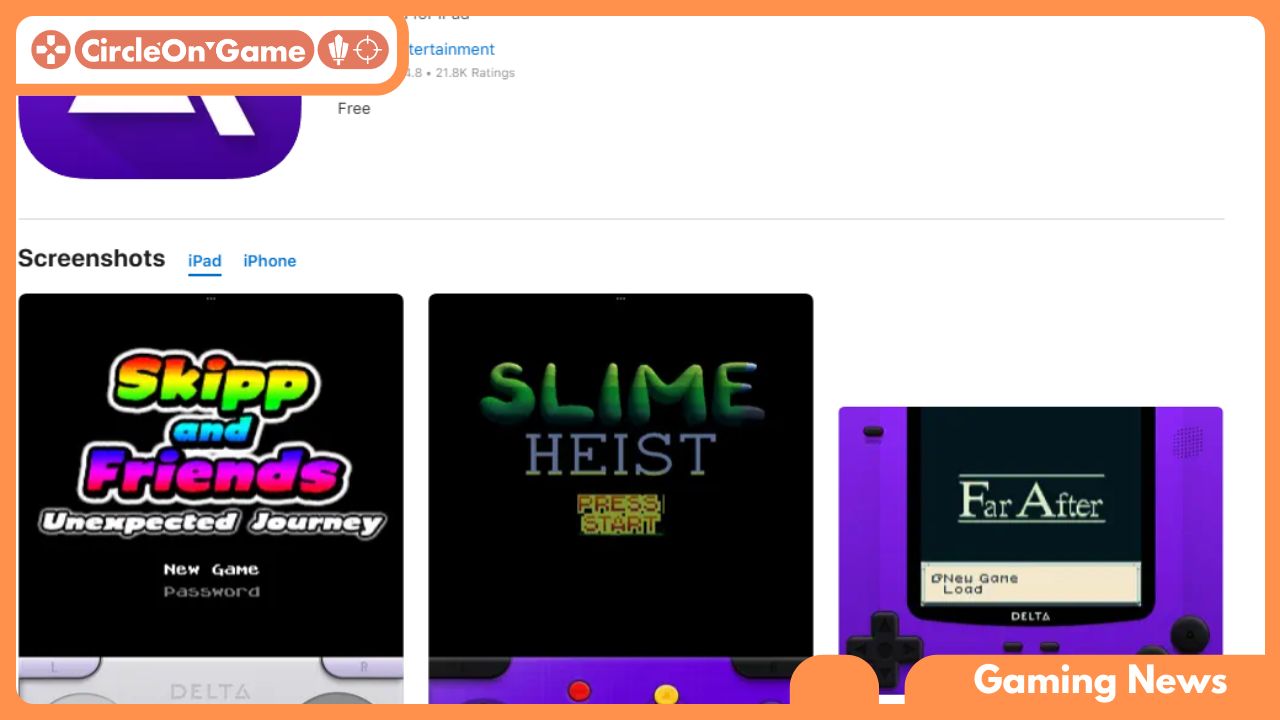

In a rapidly transforming digital environment teeming with technological advancements, a wave of nostalgia is emerging through the revival of retro gaming. In a notable and exciting development, the Apple App Store has begun accepting submissions for retro game emulator applications from developers. This pivotal decision not only pays tribute to gaming’s storied past but also bridges a gap for a fresh wave of gamers eager to explore the classic games that laid the groundwork for today’s interactive experiences.
As developers prepare to resurrect cherished titles from earlier decades onto contemporary devices, we will delve into the significance of this change, the delicate interplay between nostalgia and progress, and what it signifies for fans yearning for the pixelated pleasures of the past.
Embracing Tradition: Apple’s New Approach to Retro Game Emulation
In a surprising twist, Apple has decided to allow developers to launch retro game emulator applications on its App Store. This refreshing policy shift marks a significant change from the company’s previously strict regulations on emulation software. Fans and nostalgic gamers are buzzing with anticipation as they prepare for a resurgence of classic games from the past to make their appearance on modern platforms. From iconic 8-bit journeys to the intricate role-playing games of the 16-bit age, a treasure trove of timeless titles awaits rediscovery by both veteran players and newcomers.
This revival of retro gaming goes beyond simple remembrance; it signifies a broader cultural movement wherein the boundaries between historical and contemporary gaming continue to merge. Developers are taking the opportunity to not only reintroduce vintage experiences but also to enhance them with modern features, enriching the original charm that characterized these classics. As Apple ushers in this gaming renaissance, the scope for innovation within retro gaming expands greatly, promising a future where classic favorites are reimagined for today’s audience, ensuring these beloved titles will flourish for years to come.
Exploring Emulator Features on the App Store
As the allure of retro gaming entices a new generation, emulator applications within the App Store serve as a portal to the past, inviting users to experience legendary titles once again. These emulators come packed with a range of features designed to enhance gameplay, such as customizable controls, save states that allow players to pause and pick up where they left off, and the option to play in multiple orientations. Many applications even enhance visuals and audio, incorporating modern graphics and sound options that breathe new life into classic games, fusing nostalgic gameplay with present-day technology.
Community interaction is another standout aspect of popular emulator apps on Apple App Store. Users can engage with vibrant forums and support networks where they share game collections, gameplay tips, and troubleshooting advice. Some emulators have integrated online multiplayer capabilities, allowing users to connect with friends and enjoy games together, despite geographical distances. Regular updates help to implement performance improvements, fix bugs, and introduce new functionalities, ensuring these apps become dynamic platforms for gamers rather than mere reflections of the past.
Read More: Discover Samsung’s Groundbreaking VR Innovations!
Navigating Legalities: Balancing Nostalgia with Copyright Compliance
As the enchanting world of retro gaming captures the hearts of many, developers face the challenge of navigating complex copyright laws while catering to nostalgic inclinations. The introduction of retro game emulators on the Apple App Store exemplifies the balancing act between preserving beloved classics and upholding intellectual property rights. It is crucial for developers to ensure their emulators do not violate copyright laws by distributing ROMs or proprietary code alongside their creations. By sticking to fair use principles and focusing on providing a platform for legally acquired games, developers can establish a space in the gaming market that pays tribute to history while adhering to legal frameworks.
Additionally, as the digital realm continues to advance, discussions around the legality of emulation are also evolving. Although emulators may not infringe on copyright laws, the manner in which users acquire or use game ROMs can still harbor substantial legal challenges. Developers should educate their community on the importance of obtaining ROMs responsibly and promote legal practices. By prioritizing adherence to copyright regulations, they can enhance their credibility and foster a sustainable environment for retro enthusiasts keen to indulge in nostalgia without legal repercussions. This well-rounded approach protects developers while elevating the overall gaming experience for users, allowing for a revival of classic games in a responsible, legally compliant manner.
Strategies for Successfully Launching Emulator Apps on iOS
While launching emulator apps on iOS might seem intimidating, developers can leverage various strategies to successfully navigate Apple’s App Store landscape. First, a comprehensive understanding of Apple’s guidelines is imperative; even slight deviations can result in rejection. Developers should prioritize crafting a visually appealing user interface that not only highlights classic games but also aligns with Apple’s design standards. Performance optimization is vital; effective emulator apps typically require seamless hardware integration to ensure a fluid gaming experience. Conducting extensive testing across various devices will guarantee compatibility and optimize gameplay functionality.
Furthermore, fostering a community around the emulator app can greatly contribute to long-term success. Engaging potential users through social media and gaming forums allows developers to gather feedback, integrating valuable suggestions before the official launch. Sharing update details and bug fix notes cultivates transparency, which is vital for building user trust and loyalty within the competitive gaming market. Collaborating with retro gaming influencers can further enhance visibility and stimulate interest. By encouraging user-generated content, such as gameplay videos or reviews, developers can forge an engaging ecosystem that attracts both dedicated retro fans and curious newcomers eager to explore gaming history.
Looking Ahead: The Future of Retro Gaming
As we conclude our examination of Apple’s App Store progressive policy allowing the launch of retro game emulator applications, it is clear that this decision signifies a pivotal moment in the ever-evolving realm of digital gaming. By embracing the nostalgia tied to classic titles while simultaneously fostering innovation, Apple is paving the way for both a new generation of gamers and developers. Whether you’re a lifelong retro fan or a curious rookie, the resurgence of these cherished games presents a unique chance to experience the enchantment of gaming’s formative years.
As we contemplate the future of this promising development in Apple App Store, a critical question arises: How will these emulators redefine our appreciation of gaming heritage in an era dominated by technological advancements? While only time will provide the answer, one thing remains certain: the spirit of nostalgia is resurgent. So, dust off your older titles, grab your controller, and get ready for a retro adventure that transcends the ages. Enjoy gaming!