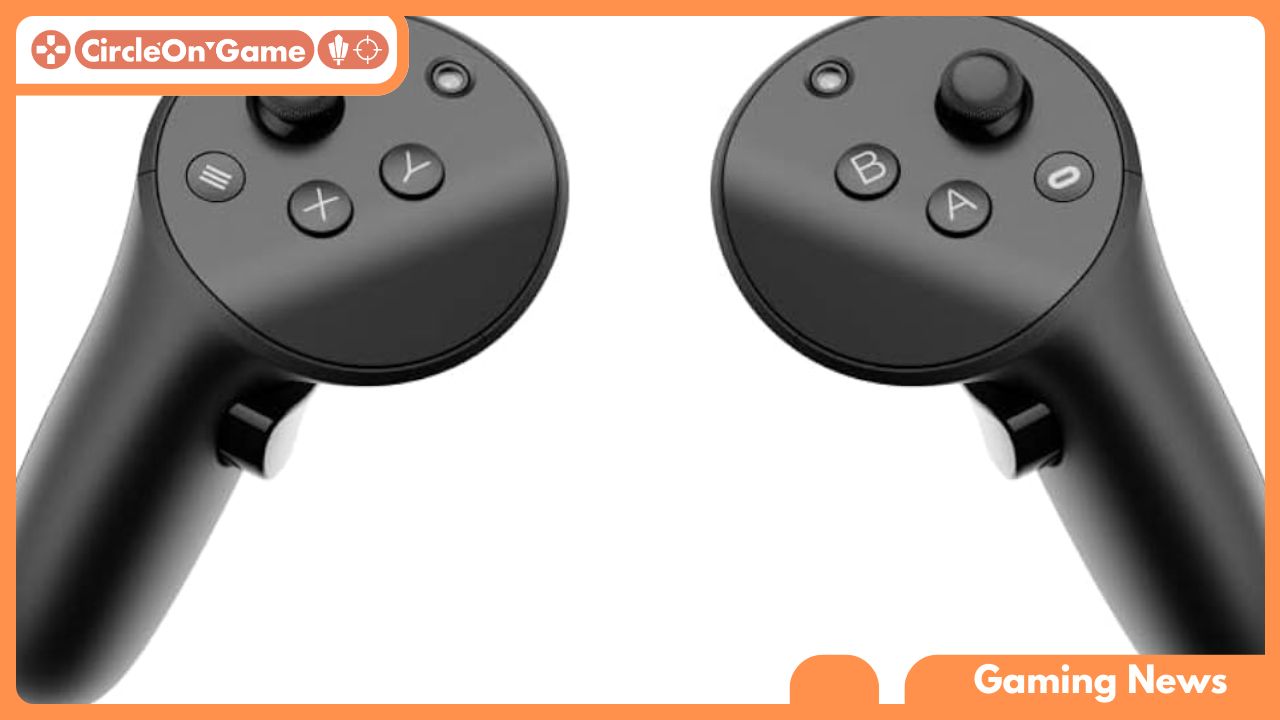

As virtual reality (VR) evolves, the devices we use to interact with these captivating realms are becoming more advanced. VR controllers, once basic handheld gadgets, now serve as complex tools that significantly enhance our sensory experiences. The era of bulky remotes and simplistic motions has passed; we stand on the brink of a revolution rich with innovations that promise to foster intuitive, dynamic, and tailored interactions.
From sophisticated haptic feedback systems that simulate touch to state-of-the-art eye-tracking technologies that align experiences with our gaze, the next generation of VR controllers is positioned to transform our relationships with digital environments. This article will investigate the emerging trends and groundbreaking technologies shaping the future of VR controllers, highlighting their impact on various sectors including gaming, education, healthcare, and more.
Haptic Feedback: Deepening Immersion through Sensory Engagement
The rise of virtual reality has introduced an essential aspect of interaction—touch—into digital experiences. Haptic feedback technology is at the forefront of this transformation, enabling users to connect with visual and auditory stimuli while incorporating tactile sensations that enhance immersion. Cutting-edge actuators within VR controllers recreate a range of textures and sensations, allowing players to genuinely experience the tension of a bowstring, the warmth of a fire, or the soft flow of water. Such nuanced feedback elevates gameplay, forging a stronger emotional bond with the virtual realm and blurring the lines between reality and fiction.
Designers are continuously innovating within the realm of haptic technology, promising even more advanced developments on the horizon. We are beginning to see adaptive feedback systems that modulate responses based on gameplay dynamics, turning ordinary interactions into memorable experiences. For instance, imagine controlling a car racing through diverse terrains, with your controller vibrating in response to changes in the landscape, or a horror game that sends chills through tailored vibrations that match frightening visuals.
These technologies will not only enhance enjoyment for gamers but are also paving the way for uses beyond entertainment, including virtual training and therapeutic applications where physical interaction is key. The ability to “feel” the virtual world may soon be as crucial as sight and sound, heralding a new age of immersive tech that deeply resonates with human sensibilities.
Read More: Must-Have VR Accessories for Ultimate Immersion!
Eye Tracking: Transforming Interaction in Virtual Realms
Eye tracking technology has emerged as a game-changer in the virtual reality sector, fostering more intuitive and engaging experiences. By allowing users to navigate and control virtual environments through eye movements, this innovation significantly minimizes reliance on conventional input devices like handheld controllers. This natural form of interaction enriches immersion and creates a more fluid engagement with digital content. Consider the revolutionary potential of selecting options simply by focusing your gaze or interacting with virtual elements without requiring complicated gestures—this capability creates a streamlined and user-friendly experience.
Moreover, the advancements in eye tracking are improving accessibility, expanding the inclusivity of virtual environments. Users with mobility challenges can engage in VR experiences that were once out of reach, empowering them to participate in activities that may have appeared impossible. As this technology advances, its applications will extend well beyond gaming, influencing education, therapeutic practices, and training simulations. Eye tracking not only alters how we engage with digital content but also broadens the boundaries for creativity and interaction in virtual spaces.
Ergonomics and Design: Enhancing User Comfort and Functionality
In the fluid landscape of virtual reality, the melding of ergonomic design and functionality remains vital to improving user comfort and interaction. As technologies progress, VR controllers are increasingly designed to fit the natural shape of the hand, allowing for prolonged use without discomfort—a significant leap from earlier models. With ergonomic grips, strategically placed buttons, and responsive feedback mechanisms, the way users interact with virtual worlds is revolutionized, ensuring that physical sensations complement the immersive narrative.
Current design trends do not stop at comfort; they also integrate biometrics and haptic technology, ushering in an unprecedented level of realism in user interactions. Envision controllers that can gauge grip strength or finger positioning, translating these subtle cues into precise, responsive actions within the virtual environment. This combination of utility and user-centered design lays the groundwork for interactions that feel intuitive and compelling. As developers explore adaptive materials and customizable features, the future landscape of VR controllers promises a realm where comfort is prioritized, and interaction mirrors the ease of navigating the real world.
AI’s Role in Personalizing Gaming Experiences
With the steady progression of gaming technology, artificial intelligence is crucial in refining controller adaptability, providing personalized experiences tailored to each user’s distinct preferences and skill levels. By utilizing machine learning algorithms, controllers can analyze a player’s actions, identify performance patterns, and customize gameplay mechanics instantaneously. This fluidity allows gamers—regardless of their experience level—to interact with their virtual surroundings more naturally, erasing the distinctions between player and game.
Moreover, AI-driven adaptability transcends simple performance enhancements; it cultivates a profound emotional connection between the player and the game. Controllers equipped with AI can monitor engagement levels, assess fatigue, and interpret emotional feedback through biometric data, allowing them to recommend breaks or adjust gameplay intensity to maintain an enjoyable experience. As developers continue to venture into this innovative domain, we anticipate a future where every controller acts as a responsive partner in gameplay, adapting and evolving along with the user, and ultimately transforming our understanding of interaction within virtual settings.
Conclusion: Embracing the Future of VR Controllers
As we approach a transformative chapter in virtual reality, the evolution of VR controllers is set to redefine the fabric of our immersive experiences. With rapid innovations on the brink of realization, we can expect these devices to not only convert our physical actions into digital cues with remarkable accuracy but also enrich our emotional connections to virtual worlds. The advancements in haptic feedback, alongside intuitive biometric sensing, allow for infinite possibilities.
As engineers and designers advance the technology frontier, users will find themselves at the core of this revolution—armed with controllers that become extensions of their own interactions rather than just ordinary devices. The journey ahead promises to blend our physical and virtual realms more closely than ever before, inviting us to explore, create, and engage in ways that were once limited to our imaginations.
Whether you are a casual gamer, an aspiring developer, or a tech enthusiast, remain vigilant for the breakthroughs that will shape our digital futures. The upcoming developments in VR controllers will not only redefine what we can physically manipulate but also broaden what we can experience, understand, and envision in the vast expanse of virtuality. A thrilling new chapter is just beginning, and it is one we must not overlook.