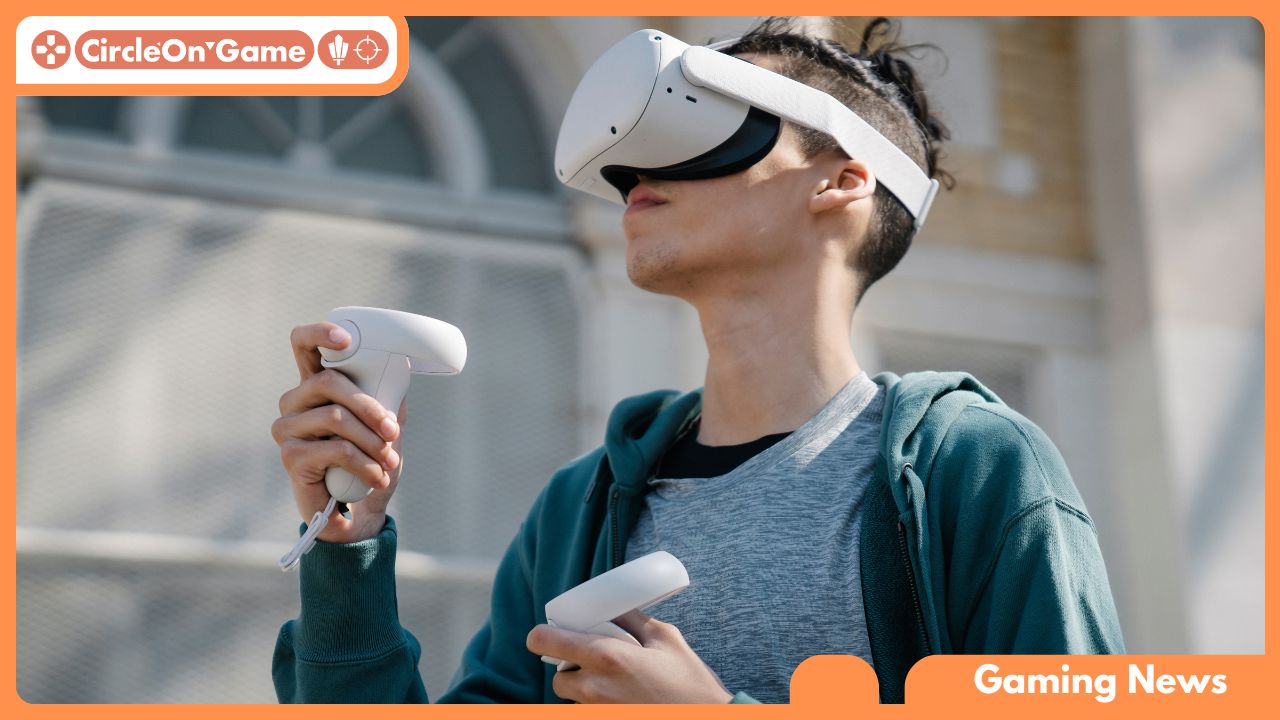

As we progress deeper into the 21st century, the division between the virtual and the real has become increasingly indistinct, paving the way for an intriguing frontier: virtual reality gaming. Originating from basic simulations, VR gaming has transitioned to extraordinary, immersive environments that illustrate not only technological evolution but also changes in culture, creativity, and interpersonal connection.
As gamers wear their headsets and enter fantastical realms that challenge the boundaries of the physical world, the very notion of reality is shifting. This article explores key milestones in the development of VR gaming, examining critical innovations, noteworthy game titles, and the vast potential that lies ahead. Join us as we explore this enthralling domain and uncover how virtual reality is transforming our experiences, interactions, and ultimately, our perceptions of play.
Technological Milestones Redefining the VR Gaming Universe
The progression of virtual reality gaming has been driven by crucial technological advancements that have revolutionized the gaming experience. Early platforms like the Sega VR gaming set the stage but faced substantial obstacles such as low resolution and motion sickness. It wasn’t until we witnessed high-definition screens, improved motion tracking, and robust graphics processing units that VR gaming truly began to thrive.
The launch of devices such as the Oculus Rift in the mid-2010s represented a monumental change, providing immersive experiences that allowed players to traverse virtual worlds with astonishing realism. The synergy between hardware advancements and creative software developments, from Steam’s VR gaming offerings to the emergence of independent VR gaming studios, has broadened the genre, appealing to a wider audience and cultivating a new gaming culture.
Simultaneously, innovations such as hand-tracking and haptic feedback have redefined interaction dynamics within virtual realms. The integration of neural interfaces and experiences driven by artificial intelligence points toward an exhilarating future where players can intuitively engage with their surroundings. The surge of social VR gaming platforms further blurs the distinctions between gaming and social experiences, enabling users to share immersive moments together. As the sector evolves, these milestones represent not just technological progress but a profound understanding of the psychological and emotional effects of virtual reality on human experiences, cementing its status as a core element of modern entertainment.
Immersive Storytelling and Engaging Gameplay
With the ongoing advancements in virtual reality technology, game developers are uncovering innovative methods to intertwine gameplay with storytelling into captivating experiences that resonate with players on multiple dimensions. VR gaming dissolves the conventional barriers between gamers and game worlds, fostering a sense of presence that amplifies emotional investment. Players transition from passive observers to active crucial participants in vibrant digital realms, where their decisions carry significant weight. This shift transforms simple plots into expansive narratives, intertwining elaborate storytelling with the exploration of meticulously crafted environments, thereby deepening connections to characters and plotlines.
Moreover, the tactile sensations and spatial awareness offered by virtual reality create opportunities for groundbreaking gameplay mechanics that were previously unimaginable. Imagine wielding a sword and experiencing its weight and resistance during combat, or interacting seamlessly with objects in an intuitively authentic manner. These elements heighten immersion, enabling players to engage with themes and emotional arcs on a level far beyond mere observation. As technological boundaries continue to expand, the scope for crafting deeper, more impactful experiences will multiply, inviting players to inhabit worlds that seem extraordinarily vivid, ultimately redefining engagement in gaming.
Read More: Apple Vision Pro vs. Meta Quest 3: The Ultimate Showdown—Which Reigns Supreme?
Social Connections and Player Participation in VR Gaming
As virtual reality redefines immersive experiences, player engagement in these digital dimensions is being transformed. Gamers no longer just interact with virtual elements; they cultivate relationships that extend beyond the limitations of the digital realm. The ability to communicate, collaborate, and compete with others in real-time not only enhances gameplay but also builds a community among users. With avatars serving as extensions of our identities, players develop emotional investments in their virtual personas, creating complex social networks that can rival the intricacies of real-world relationships. Whether strategizing on a collaborative mission or partaking in lighthearted banter during competitive rounds, the social dynamics involved enrich their connection to the game and to one another.
Furthermore, the distinct capabilities of virtual environments redefine typical gaming interactions. With features allowing for gestures, vocal adjustments, and facial tracking, players can express themselves in more genuine ways than ever before. These advancements facilitate nuanced social exchanges and deeper conversations, making virtual spaces feel vibrant and relatable. As players navigate these landscapes, they encounter various social challenges and stimuli—ranging from team dynamics to emotional negotiations—mirroring real-world interactions in compelling ways. This shift not only ignites a new wave of user-generated content and collaboration but redefines gaming as a fundamentally social activity, turning each session into a fresh venue for connection and creativity.
Future Innovations: Trends and Developments in VR Gaming
As the virtual reality gaming landscape progresses, developers are pursuing exciting innovations that could revolutionize player experiences. A particularly intriguing trend on the horizon is the incorporation of artificial intelligence within VR settings. This advancement could empower games to adapt in real-time to individual player behaviors, crafting rich and personalized narratives that respond to unique choices. Additionally, innovations in haptic feedback systems are set to deepen sensory immersion, allowing players to experience physical sensations associated with interactions within the virtual realm, whether it’s feeling the heft of a weapon or the breeze while exploring stunning landscapes.
Moreover, the expansion of social VR platforms is transforming how players connect and interact within gaming communities. These platforms facilitate multiplayer experiences that survive geographical barriers, enabling users to cooperate, compete, and socialize in shared virtual frameworks. Anticipate an increased focus on cross-platform compatibility, which will allow seamless experiences across VR headsets and conventional gaming systems. as technology becomes more accessible, we may see a surge of indie developers pushing the boundaries of storytelling and gameplay mechanics, greatly enriching the overall VR gaming ecosystem.
In Summary
As we reflect on the remarkable journey through the evolution of virtual reality gaming, it becomes evident that we are poised at the edge of a new era. The convergence of technology and artistic expression has altered our perception of gaming, introducing experiences that were once confined to the realm of fantasy. From the early days of simple simulations to the intricate worlds we now inhabit, each phase in the narrative of VR lays the groundwork for richer plots and deeper bonds.
Looking to the future, the potential for VR gaming is expansive. With continuous advancements in technology, software, and user interaction, we can only wonder what innovations lie ahead. Could VR emerge as a fundamental tool in educational contexts, revolutionizing knowledge sharing? Or might it redefine social dynamics in the digital landscape, creating communities that transcend geographic limitations?
As creators, players, and visionaries continue to innovate, one certainty remains: the evolution of VR gaming represents not just a technological advancement, but a radical reimagining of reality. When we don our headsets and step into these new realms, we are not just engaging with games; we are partaking in a transformative movement that challenges and expands our understanding of connection, exploration, and play.
As we stride into this bold new territory, let us embrace the myriad possibilities that lie ahead. In the realm of virtual reality, the only limitation is our imagination.