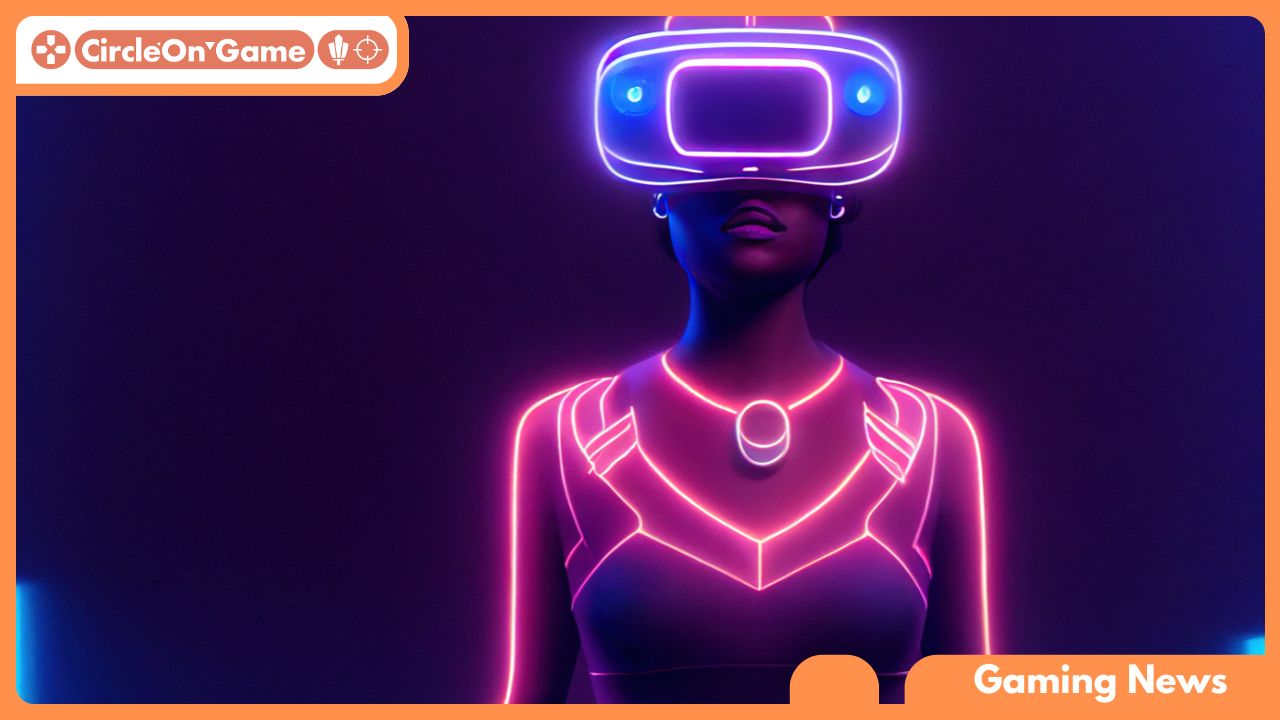

In the dynamic realm of technological advancement, virtual reality (VR) has surfaced as a revolutionary innovation, plunging users into mesmerizing digital realms. However, as we immerse ourselves with VR headsets, a pressing concern arises: the threat of VR Inception attacks. Borrowing a term from the intricate dream sequences of a well-known film, this notion refers to the alarming methods by which malicious entities can manipulate the inherently immersive nature of VR, distorting perceptions, misleading users, and potentially compromising sensitive data.
As we explore this multifaceted issue, it is essential to scrutinize the security threats posed by such attacks and the proactive measures that can be adopted to protect our virtual experiences. Join us in navigating the exhilarating yet precarious landscape of VR security, delving into the dangers that lie beneath while seeking strategies to foster a safer digital journey for everyone.
Exploring VR Inception Attacks and Their Impact on User Protection
With the continuous development of virtual reality technology, users gain access to unprecedented immersive experiences but also encounter distinct security vulnerabilities. The most nefarious of these risks manifests in the form of VR Inception attacks, whereby malicious actors alter the virtual landscape to skew a user’s perception of reality. These malicious incursions may range from subtle disinformation tactics to elaborate constructs designed to confuse or distress users. The consequences can be profound, eroding trust in VR platforms and jeopardizing users’ mental health, particularly within therapeutic or educational contexts.
To combat these concerns effectively, a comprehensive strategy must be employed. Developers are tasked with embedding stringent security measures within their VR systems, establishing robust defenses against unauthorized manipulation of virtual environments. Equally important is empowering users through education, enabling them to discern irregularities in their VR interactions. By promoting collaboration among technology innovators, cybersecurity professionals, and end-users, we can bolster the security of immersive spaces that hold the potential to transform our digital interactions.
Read More: How Virtual Reality is Transforming the Gaming Experience!
Detecting Security Flaws Within VR Environments
The immersive nature of virtual reality allows users to traverse vivid digital landscapes and engage with hyper-realistic avatars, which unfortunately makes these experiences susceptible to exploitation. One of the key vulnerabilities arises from the highly interactive sphere of VR; inadequacies in programming and scripting can be exploited by nefarious individuals. For instance, inadequately secured VR platforms might permit attackers to impersonate users, posing a significant threat to personal information security. Moreover, the implementation of motion-tracking technologies could result in privacy invasions if sensitive movement data is intercepted, leading to advanced and undetectable attacks, such as virtual “man-in-the-middle” scenarios.
The intricate designs of VR environments offer unique entry points for potential attacks, rendering traditional security measures less effective. These ecosystems rely on multiple systems, devices, and networking protocols, creating a myriad of possible vulnerabilities. For instance, a VR platform lacking in robust user authentication or unencrypted communications risks exposure to data harvesting or script injections. The challenge transcends merely identifying these weaknesses; it also involves cultivating awareness among developers and users regarding potential threats. By enhancing encryption practices, implementing strict access controls, and fostering a culture of regular security assessments, we can fortify VR as a secure domain for exploration and interaction.
Strategies for Risk Mitigation: Best Practices for Developers and Consumers
As the VR landscape progresses, developers and users alike must employ effective strategies to mitigate the numerous risks associated with VR Inception attacks. Developers should establish an exhaustive framework for testing and conducting security audits. This entails the use of penetration testing tools that identify possible vulnerabilities within the VR ecosystem. Continual education on cutting-edge security protocols is vital, along with the incorporation of strong authentication practices and encryption technologies to better shield applications from unauthorized access and data breaches. By nurturing a culture of security awareness and perpetually updating software to resolve vulnerabilities, developers can create a resilient VR space focused on user protection.
For users, proactive engagement is essential in minimizing associated threats. Regularly updating VR applications is critical, as developers routinely release patches for newly identified vulnerabilities. Utilizing strong, distinct passwords and activating two-factor authentication provide crucial additional security measures to deter intrusive attempts. Moreover, users should scrutinize the permissions requested by VR applications, carefully weighing the potential data they share. Through a united front on security—where developers are vigilant in their coding practices and users remain cautious in their digital behaviors—we can cultivate a safer, more secure virtual reality for everybody.
The Importance of Regulation and Collaborative Efforts in Enhancing VR Security
As the virtual reality landscape progresses rapidly, the necessity for comprehensive security protocols becomes increasingly evident. Regulation plays a pivotal role in creating industry benchmarks that protect user experiences while also encouraging innovation. Establishing clear standards for data security, user privacy, and ethical conduct ensures that VR developers not only adhere to security requirements but also maintain the integrity of their technologies. Meaningful collaboration between legislators and industry participants is vital, cultivating a holistic approach that addresses the unique challenges presented by emerging VR threats. By maintaining ongoing dialogue, these parties can foresee vulnerabilities and adapt regulations to meet sophisticated attack methods effectively.
Furthermore, industry collaboration serves as the foundation of a robust security structure within virtual reality ecosystems. When organizations combine their resources and expertise, they develop a fortified network dedicated to risk identification and reduction. Sharing best practices can drive the formulation of industry-wide security standards, enhancing protection across VR platforms. Initiatives such as collaborative research programs, hackathons, and training workshops can promote a culture of innovation and awareness, allowing a diverse range of companies to collectively strive towards solutions to combat VR Inception attacks. By embracing a collective ethos, the industry strengthens its defenses and builds user confidence—a crucial factor in encouraging expanded adoption of VR technologies.
Conclusion
At the convergence of virtual reality and digital security, VR Inception attacks present a complex array of risks alongside innovative solutions. While the immersive power of VR captivates our creativity, it simultaneously introduces a series of security challenges that could threaten our safety and privacy in ways previously unimagined. Nevertheless, uncovering the layers of this emerging threat highlights that awareness, education, and a proactive stance can become our strongest shields against danger.
In today’s rapidly changing digital landscape, we must engage with such technologies in a mindful and cautious manner. By nurturing a culture rooted in security awareness and investing in robust safeguarding strategies, we can protect ourselves from latent dangers that may emerge within virtual realms. As cyber threats continue to evolve, our methodologies for ensuring safety must also adapt, striving to safeguard experiences that deepen our connections in this innovative, immersive frontier.
Ultimately, grasping the nuanced dynamics of VR Inception attacks is not solely about pinpointing vulnerabilities; it is about enabling both users and developers to cultivate secure and supportive virtual environments. As we tread further into these uncharted territories, let us embrace not only the potential of innovation but also the accountability it entails, facilitating virtual journeys that enrich our lives without compromising security. The future of VR shines brightly ahead, and it is ours to shape through diligence and responsibility.
“`