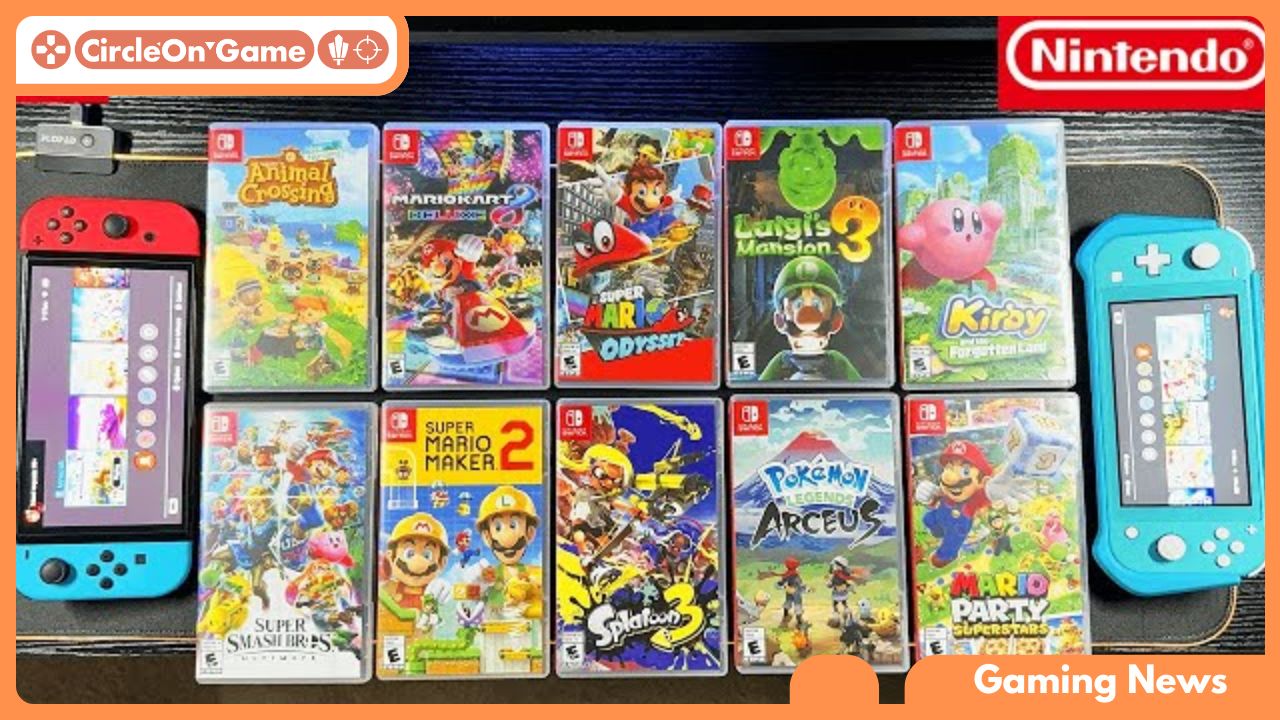

In the dynamic realm of video games, few characters have transcended their digital origins to become global icons like Super Mario. Adorned with his signature red hat, blue overalls, and an infectious charm, Mario has evolved from a pixelated figure into a cultural touchstone. His journey commenced in the early 1980s with his debut in the arcade classic ‘Donkey Kong,’ where he transitioned from a modest carpenter to the adventurous plumber we admire today. As we traverse the timeline, we’ll dissect the growth of this cherished franchise, focusing on the innovative gameplay, unforgettable characters, and pioneering technology that have ensured Mario remains an enduring hero. Join us as we explore the intricate narrative of the Super Mario saga—a tale rich in creativity, nostalgia, and a lasting impact on the gaming landscape.
The Birth of a Gaming Legend: Super Mario’s Beginnings
In the early 1980s, the world of video gaming was still in its infancy, characterized by rudimentary graphics and arcade machines that enticed players with their rewarding yet challenging gameplay. It was during this formative period that a small group at Nintendo, under the guidance of visionary designer Shigeru Miyamoto, envisioned a character who could navigate these pixelated realms while resonating with players on a deeper level. Drawing inspiration from his own childhood experiences and a desire to enhance the gaming experience, Miyamoto created a character who would forever alter the direction of gaming: Mario, the brave Italian plumber.
Originally branded as “Jumpman” in the 1981 arcade release ‘Donkey Kong,’ Mario swiftly established himself as a key player in the burgeoning video game sector, showcasing impressive agility as he rescued a damsel in distress. As Mario’s popularity surged, so too did his character’s evolution and the games that arose from it. A pivotal moment arrived in 1985 with the launch of ‘Super Mario Bros.,’ a title that revolutionized the platforming genre and laid the groundwork for storytelling in video games. Players embarked on vibrant quests in immersive worlds, overcoming pixelated foes and obstacles, all while striving to save Princess Toadstool from Bowser’s menacing grasp. With its innovative side-scrolling gameplay, dynamic environments, and the introduction of power-ups like the Super Mushroom and Fire Flower, ‘Super Mario Bros.’ captivated gamers and established a new standard for titles to follow. Mario transformed from a mere character into a cultural symbol, reflecting a level of creativity and engineering that continues to resonate across multiple generations.
Read More: The Epic Journey of Fire Emblem Through the Ages
Redefining Platforming: Mario’s Impact on Gameplay Mechanics
Initially, platforming games often relied on simple mechanics and repetitive level designs. However, ‘Super Mario’ reimagined the genre with a vivid world brimming with creativity and intricate details. From the debut of ‘Super Mario Bros.’ in 1985, players were welcomed into the enchanting Mushroom Kingdom, where they could engage with Goomabas, collect coins, and unearth secret pathways. This game not only tested players’ reflexes but also their critical thinking, encouraging exploration and ingenuity. The introduction of transformative power-ups, such as the beloved Super Mushroom and Fire Flower, significantly enriched the gaming experience, allowing players to adjust their strategies and approach each level uniquely.
As the franchise expanded, gameplay mechanics also evolved, leading to groundbreaking advancements that would reshape the platforming world. The introduction of three-dimensional environments in ‘Super Mario 64’ initiated a revolution in movement and exploration, empowering players to navigate vast, open worlds filled with hidden treasures and complex challenges. This new perspective added depth to the platforming experience, allowing for sophisticated level designs that capitalized on verticality and spatial dynamics. Through each consecutive title—from ‘Super Mario Galaxy’ to ‘Super Mario Odyssey’—the franchise consistently pushed creative boundaries, merging clever level design with engaging narratives and interactive settings, solidifying its status as the paradigm for platformers worldwide. Every new Mario title has not only entertained but set a benchmark, motivating game developers to innovate within the genre while capturing the enchanting spirit of platforming.
The Cultural Resonance of Super Mario: A Legacy Beyond Gaming
Super Mario’s influence on the gaming industry is profound, having shaped the core of game design and player engagement. When Mario first darted across screens in 1985, he ushered players into a vibrant universe filled with imaginative challenges and iconic characters, establishing a new benchmark for what platformers could achieve. Concepts like power-ups, intricate level designs, and inventive enemy interactions became essential elements in the lexicon of interactive storytelling, influencing a broad spectrum of genres. This creative approach encouraged developers to embrace new ideas while holding onto principles of engaging gameplay and nostalgic references. Mechanics such as jumping and power-ups have since become foundational to the DNA of contemporary video games, leaving an impact on countless titles.
Beyond gaming, Super Mario has permeated popular culture in ways few franchises have. The lovable character has ascended from pixels to a universal symbol of joy and nostalgia, resonating with audiences of all ages. Animated series, a range of toys, and even feature films have emerged from Mario’s legacy, demonstrating his adaptability across various media. His widespread appeal affirms that gaming transcends youthful entertainment and serves as a rich cultural experience for all. With collaborations, merchandising, and themed attractions, Super Mario inspires creativity, influencing realms far beyond the gaming sphere.
Recommendations for New Explorers: Embarking on the Super Mario Odyssey
For those eager to step into the colorful world of Super Mario, it’s essential to explore the engaging history and diverse gameplay mechanics that characterize this franchise. Beginning with classics such as “Super Mario Bros.” provides a wonderful introduction, allowing players to grasp how Mario’s early escapades set the stage for character development and the series’ iconic power-ups. Meanwhile, contemporary entries like “Super Mario Odyssey” exemplify the series’ evolution, showcasing inventive gameplay elements, such as Cappy, which adds an exciting layer of strategy to platforming.
As you traverse the enchanting environments of the Mushroom Kingdom, immerse yourself in the numerous secrets hidden within each level. The franchise is renowned for its hidden collectibles, warp zones, and concealed exits, all of which not only reward curiosity but also invite players to revisit levels with fresh perspectives. Engaging in multiplayer modes, which can be found in titles like “Super Mario 3D World,” adds another dimension of enjoyment, promoting collaboration among friends and family during challenges. Embrace the magic of these whimsical worlds and consider experimenting with various approaches to each challenge—at the heart of Super Mario is the joy derived from creativity and adventure.
Final Thoughts
As we traverse the lively landscapes of Super Mario, it becomes evident that this beloved franchise represents more than just a series of platforming games; it is a cultural phenomenon that has blossomed across generations. From its modest beginnings in the 1980s to its stature as a cornerstone of the gaming industry, Mario has not only transformed the gaming terrain but has also become an endearing figure for millions globally.
Each installment serves as a testament to advancements in technology and the changing landscape of player expectations and storytelling within the medium. The Super Mario legacy champions innovation, creativity, and the essence of joyful exploration—core values that continue to inspire developers and gamers alike.
As we wrap up our exploration of Super Mario’s history, it’s evident that this little plumber with a knack for jumping has made an enduring impact on gaming culture and our hearts. With new adventures on the horizon, we can only speculate on what awaits Mario and how he will continue to shape our experiences and foster nostalgia in the future. So, let’s keep our power-ups at the ready and our eyes peeled, as the journey within the world of Super Mario is far from over.