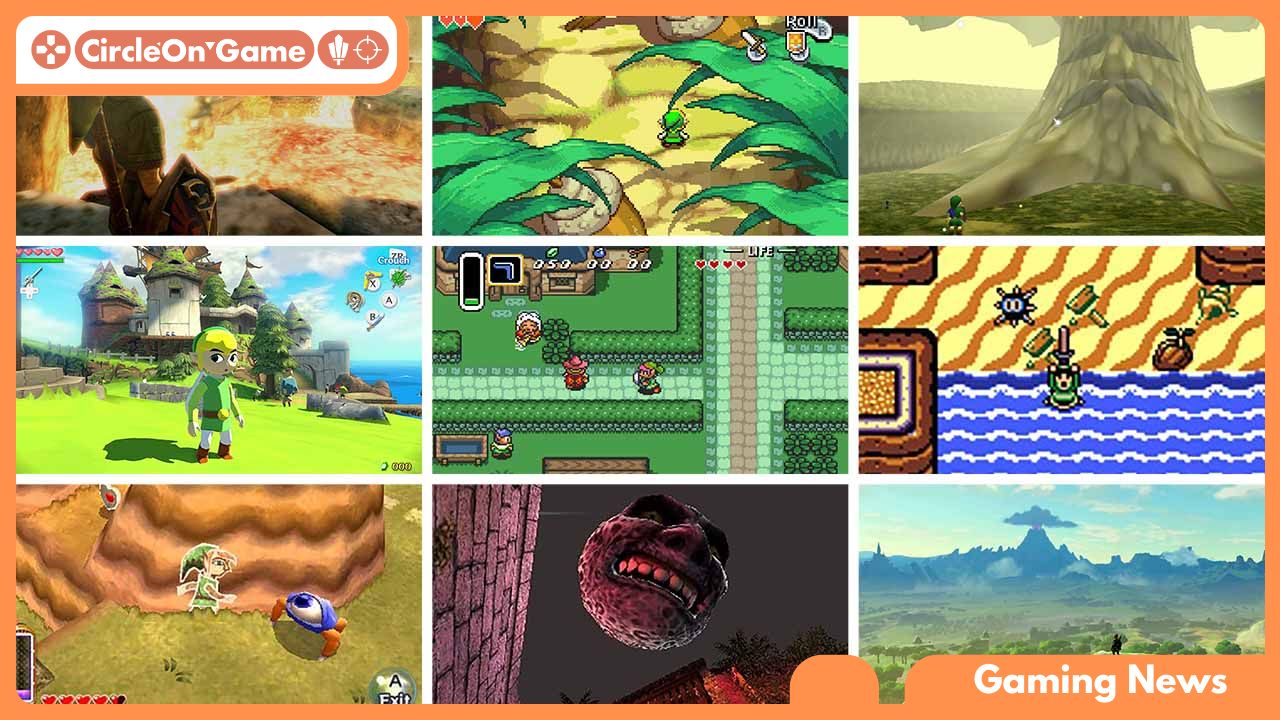

In a world interwoven with narratives of bravery, camaraderie, and exhilarating quests, few franchises have etched their legacy into the foundations of gaming like “The Legend of Zelda.” Since its debut in 1986, this legendary series has not only revolutionized the action-adventure genre but has also won the hearts of millions, immersing players in its magical realms. With a profound narrative tapestry and a diverse cast of unforgettable characters, particularly the daring hero Link, the saga appeals across generations. As we embark on a historical exploration of “The Legend of Zelda,” we will delve into the transformation of its gameplay mechanics, the artistic ambitions steering its creation, and its cultural significance that has firmly anchored it in gaming’s prestigious history. Join us on this captivating journey through a franchise that has reshaped our understanding of adventure and storytelling in the digital epoch.
Milestones in the Evolution of Hyrule: A Closer Look at the Zelda Series
Over the years, Hyrule has undergone astonishing and creative transformations, mirroring both technological breakthroughs in gaming and the shifting narrative styles within The Legend of Zelda series. Commencing with “The Legend of Zelda” in 1986, players were welcomed into a vast expanse where exploration was not only welcomed but essential, with secrets cleverly concealed beneath seemingly uncomplicated terrains. The game’s revolutionary overhead perspective and the introduction of an expansive world laid the groundwork for a franchise dedicated to innovation. Significant technological advancements, like the leap to 3D graphics in “The Legend of Zelda: Ocarina of Time,” did not just redefine Hyrule’s visual dimensions but also enriched gameplay with pioneering lock-on targeting and real-time combat.
With each new chapter, Hyrule continued to evolve, showcasing the artistic dreams of its developers and reflecting societal influences of the era. The intricate orchestration found in “The Legend of Zelda: Wind Waker,” paired with its cel-shaded visuals, ushered in a fresh narrative approach, while “The Legend of Zelda: Twilight Princess” delved into darker, more nuanced themes encompassing heroism and sacrifice. Each installment adeptly constructed an original narrative, deepening Hyrule’s lore while introducing new gameplay elements—such as spirit allies and time manipulation—that harmonized beautifully with its mythology. This continuous evolution not only secured Hyrule’s position in the hearts of gamers but also illustrated the franchise’s remarkable flexibility and growth, ensuring every venture through its realms remains a captivating experience.
Read More: The Epic Journey of Super Smash Bros: From Classic Battles to Gaming Phenomenon
Key Characters and Their Role in Gameplay and Narrative
Within the captivating world of The Legend of Zelda, iconic characters have been instrumental in shaping both gameplay intricacies and the emotional depth of the narrative. Link, the valiant hero often dressed in green, epitomizes the reluctant hero archetype, drawing players into expansive quests that require exploration and clever thinking. Through Link, players navigate complex dungeons and confront formidable adversaries, forging a profound connection to overarching themes of bravery and resilience. The distinctive skills Link gains throughout his quests, ranging from bomb skills to wielding enchanted items, have become essential to the puzzle-solving framework of the series, engaging players in a rich narrative of adventure and discovery.
Equally vital to the saga is Princess Zelda, whose character development aligns with the progression of the games—from a typical damsel in distress to a wise sage and fierce combatant. This evolution encourages players to see her not merely as a figure to save, but as an indispensable partner in combating evil, thereby elevating the emotional stakes of the narrative. The dynamic between Link and Zelda introduces rich narrative layers, exploring themes of fate, sacrifice, and burdens of duty. Their relationship exemplifies the series’ ability to blend character growth with inventive gameplay, crafting an all-encompassing experience that resonates emotionally and interactively with players. The continued charm of these characters highlights their importance in the franchise, reinforcing The Legend of Zelda’s stature as a landmark in gaming history.
Game Design Revolutions: How Zelda Changed Adventure Gaming
From its inception, the franchise has emerged as a trailblazer within adventure gaming, drawing players into an intricately woven landscape of exploration, puzzles, and compelling narratives. The original 1986 edition presented players with an open world to explore at their leisure, a groundbreaking shift from the conventional linear gameplay prevalent at the time. This nonlinear design promoted curiosity and experimentation, rewarding players with the discovery of hidden treasures and new powers. Such design philosophies fostered a rich engagement loop that deepened players’ connections to the game world, establishing a new benchmark for interactive experiences.
As the franchise matured, each title pushed creative and technological boundaries, merging novel gameplay elements with a coherent narrative and design continuity. Games like “Ocarina of Time” introduced revolutionary features, including 3D environments and real-time combat, altering player expectations. “Breath of the Wild” showcased the ability to approach challenges from multiple angles, reflecting a sophisticated grasp of player autonomy and environmental storytelling. This pioneering spirit, while remaining dedicated to adventure’s core tenets, has not only redefined gameplay across generations but has also inspired a multitude of developers, marking “The Legend of Zelda” as a pivotal figure in gaming history.
The Impact of Zelda on Pop Culture
The Legend of Zelda has cultivated an exceptional presence in the wide sphere of pop culture, evolving into a cultural phenomenon rather than merely a video game series. Since its establishment in 1986, the franchise has influenced countless artistic expressions across numerous platforms, including music, literature, and visual arts. Iconic imagery, from the Triforce insignia to beloved characters like Link and Princess Zelda, have infiltrated popular culture, appearing in fan art, cosplay, and even serving as themes in fashion and design. The series’ intricate narrative, rich with themes of heroism and the eternal clash between good and evil, resonates with audiences, inviting immersion into its fantastical universes, evoking nostalgia and the thrill of adventure.
In the gaming community, The Legend of Zelda has made a lasting impression by setting benchmarks for gameplay, narrative structure, and world-building. Its groundbreaking methodologies in exploration and puzzle-solving have influenced numerous game developers, inspiring titles that embrace open-world mechanics and non-linear narratives. The series has not only redefined action-adventure game mechanics but has engendered a passionate community where enthusiasts unite to discuss theories, strategies, and fan creations. With each new release—from the charming pixels of the original to the breathtaking landscapes of Breath of the Wild—the franchise continues to encourage collaboration and creativity among players, cementing its status as a pillar of both the gaming industry and the broader cultural dialogue.
Looking Ahead: The Future of Zelda
As we conclude our exploration of the illustrious journey of The Legend of Zelda, it is evident that this cherished franchise goes beyond a simple collection of video games; it is a vast tapestry woven from innovation, adventure, and profound cultural significance. From the pixelated realms of Hyrule to the grand quests featuring brave heroes and cunning villains, every installment contributes to an expanding legacy that perpetually captivates new generations of players.
The franchise’s evolution not only reflects technological advancements but also signifies changes in narrative storytelling, gameplay tactics, and player interaction. Its unique ability to combine nostalgia with refreshing experiences ensures its ongoing relevance across eras and audience demographics. Looking into the future, one certainty remains: The Legend of Zelda will continue to ignite creativity, evoke wonder, and create connections with all who journey through its mystical landscapes.
So, whether you’re an experienced adventurer in Link’s exploits or a fresh face eager to engage with its stories, may your future odysseys be filled with bravery, wisdom, and the bonds of friendship. The legend continues, and countless adventures await discovery. Until next time, fellow explorers—may your spirits stay true and your curiosity never wane.
“`