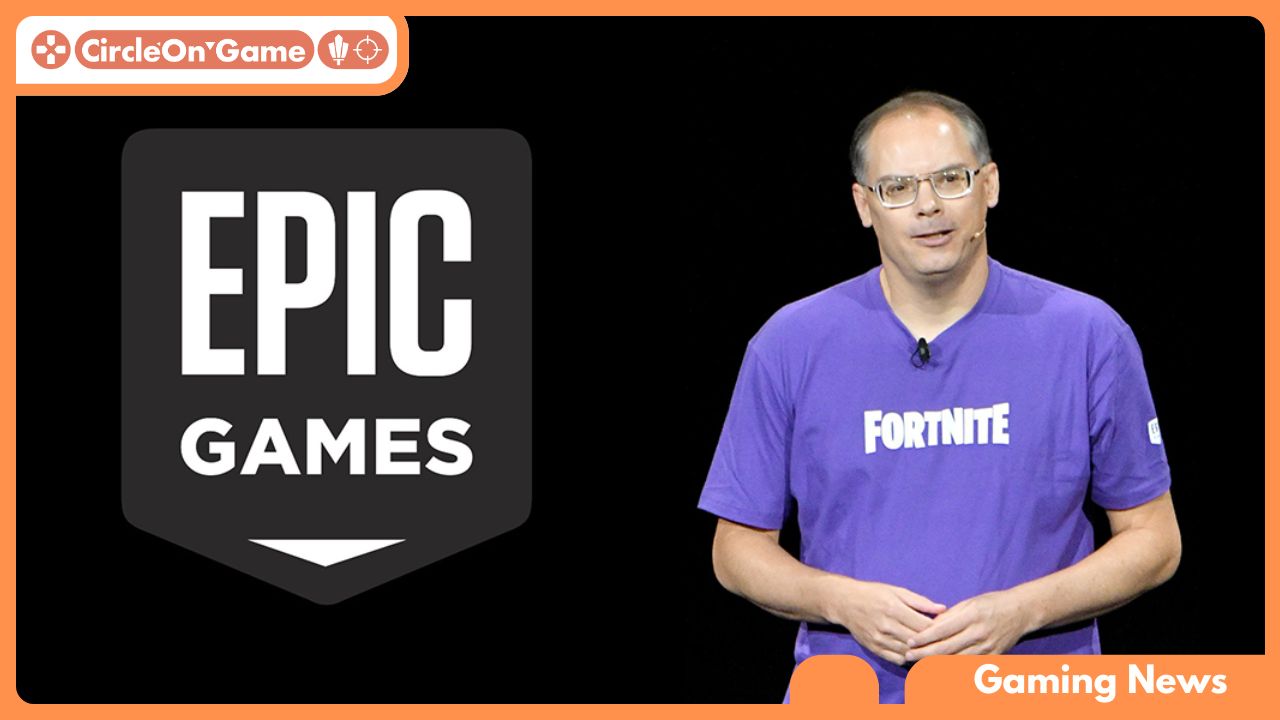

In the expansive field of video games, few companies carry as much weight as Epic Games. Renowned for iconic titles such as Fortnite and the esteemed Unreal Engine, Epic has not only influenced the gaming realm but also transformed player interactions within these vibrant digital environments. As this North Carolina-based giant continues its rise, a critical question emerges: Who effectively holds ownership of Epic Games?
This article delves into the intricate ownership dynamics, investment strategies, and influential relationships that characterize one of the tech industry’s top-tier companies, unveiling a complex web of stakeholders reflective of contemporary business trends. Join us as we examine the key players in Epic’s ownership narrative, tracing the evolution of a company at the crossroads of artistry, innovation, and business acumen.
Unpacking the Stakeholders of Epic Games
Epic Games stands as a colossus in video game development and digital distribution, supported by a wide variety of stakeholders who fuel its vast empire. At the helm, Tim Sweeney, the founder and CEO, represents the forward-thinking leadership that has thrust Epic into the global limelight. His unwavering dedication to technological advancement and creative game design fosters a culture aimed at pushing the limits of what’s possible, as underscored by blockbuster successes like Fortnite and the versatile Unreal Engine.
In addition to Sweeney, Epic is backed by a formidable set of investors, including the influential Tencent, which holds a considerable minority stake in the company. This significant association serves not only to enhance financial resources but also extends Epic’s reach, particularly within the rapidly expanding Asian market, showcasing the importance of collaborative growth amid fierce competition in the gaming sector.
Furthermore, the gamer and developer communities are integral to Epic’s ecosystem. The company engages users through various platforms, creating an inclusive space that promotes creativity and innovation. Direct feedback from this active community plays a crucial role in shaping game updates and introducing new features, exemplifying the reciprocal relationship that Epic maintains with its audience. Additionally, collaborations with other developers and franchises bolster its impact within the industry, underlining the interconnected nature of success in this dynamic arena. Understanding these relationships reveals the intricate influences steering Epic Games’ evolution and strategic vision.
Read More: Pokémon Go Ultimate Guide for Beginner in 2024!
Tim Sweeney’s Influence on Company Direction
Tim Sweeney, co-founder and CEO of Epic Games, has been instrumental in charting the company’s strategic path through the years. His profound enthusiasm for gaming and technology transcends conventional leadership roles; Sweeney regards innovation not just as a target but as an intrinsic quality that defines the company. Under his direction, Epic has pivoted from developing titles like “Unreal Tournament” to becoming a formidable force within the gaming sector with phenomena like “Fortnite,” fundamentally changing both the company and the interactive entertainment landscape.
Moreover, Sweeney embodies principles of open ecosystems and fairness in the gaming arena. His advocacy for developers’ rights and resistance against monopolistic behaviors from larger corporations reinforce his commitment to creating a fair environment for creators. Sweeney’s leadership encourages collaboration and creativity among Epic’s workforce, empowering them to challenge established norms. This vision positions him not merely as a corporate leader but as a transformative figure within gaming, where his decisions impact developers, players, and the industry as a whole.
Financial Backing: Analyzing Equity and Investments
In the fast-changing realm of gaming, examining the complexities of equity and investment within companies like Epic Games sheds light on the strategic maneuvers of financial backers. Renowned for its technological advancements and an impressive catalog featuring the massive hit Fortnite, Epic attracts attention not only for its innovative products but also for the financial underpinnings that support its expansion. A prominent stakeholder is Tencent Holdings, which recently increased its stake to nearly 40%, allowing it considerable sway over the company’s trajectory. Additionally, investments from various venture capital firms have played a crucial role in fueling Epic’s ambitious initiatives, showcasing the diverse interests converging within this gaming titan.
Recently, Epic has attracted fresh investments from a variety of sources, indicating a strong vote of confidence from financial backers regarding its growth potential. This significant influx of capital not only reflects Epic’s current success in the marketplace but also endorses its strategic projects, such as advancing the Unreal Engine and exploring virtual reality environments. This financial support serves as a buffer during volatile market conditions while simultaneously bolstering innovation, enabling Epic Games to maintain its lead in the gaming industry. Analyzing these financial partnerships and investment trends reveals insights into the increasingly intricate ownership structures within the tech and gaming spheres, with implications that challenge traditional corporate governance models.
Future Ownership Structures and Their Implications for Gaming
The ownership frameworks of enterprises like Epic Games hold the potential to significantly alter the gaming industry’s landscape. As prominent venture capital outfits and tech behemoths compete for stakes in leading gaming firms, the interests of these investors may lead to a recalibration of priorities—shifting from creative and innovative pursuits to profitability and returns for shareholders. Such a shift could give rise to a new generation of gaming experiences tailored to maximize user engagement and revenue, potentially sacrificing artistic integrity and player enjoyment in the process, with increased emphasis on microtransactions, subscription options, and franchise models that can sustain financial returns but dilute the uniqueness that originally drew players to gaming.
Moreover, these ownership dynamics raise crucial questions surrounding diversity and representation in game development. With substantial corporate entities often dominating the field, there may be a tendency to adhere to established trends and formulas, thereby constraining diverse narratives and unique voices that enrich the gaming landscape. As studios become extensions of these major corporations, a potential homogenization may occur, diminishing the risk-taking and creativity that define successful game design. Conversely, if smaller independent studios are able to thrive within this ecosystem—backed by inventive thinkers and fresh capital—the industry may experience a resurgence of originality, fostering diverse storytelling and gameplay experiences that enhance the richness of gaming culture.
Final Thoughts
In the rapidly shifting world of gaming, understanding the ownership structures of influential companies such as Epic Games illuminates the complex interplay of partnerships, investments, and market strategies that govern this vibrant sector. As we have navigated through the various facets of Epic Games’ ownership spectrum, it becomes evident that the company is not a singular entity but rather a robust network supported by a myriad of investors and stakeholders. From Tencent’s considerable investment to the visionary direction led by Tim Sweeney, the ownership landscape emphasizes a dedication to innovation and player-centered experiences, resonating throughout their portfolio from the cutting-edge Unreal Engine to the globally adored Fortnite.
As the gaming ecosystem continues to evolve, so too will the forces shaping enterprises like Epic. Whether through new strategic alliances, acquisitions, or the adoption of next-generation technologies, the future remains unwritten. One certainty persists: Epic Games will continue to play a central role, consistently pushing the boundaries of what is feasible in gaming. As we conclude this exploration, we encourage readers to stay informed about the developments within this industry, eager to witness the unfolding narrative of Epic Games and its diverse array of stakeholders.