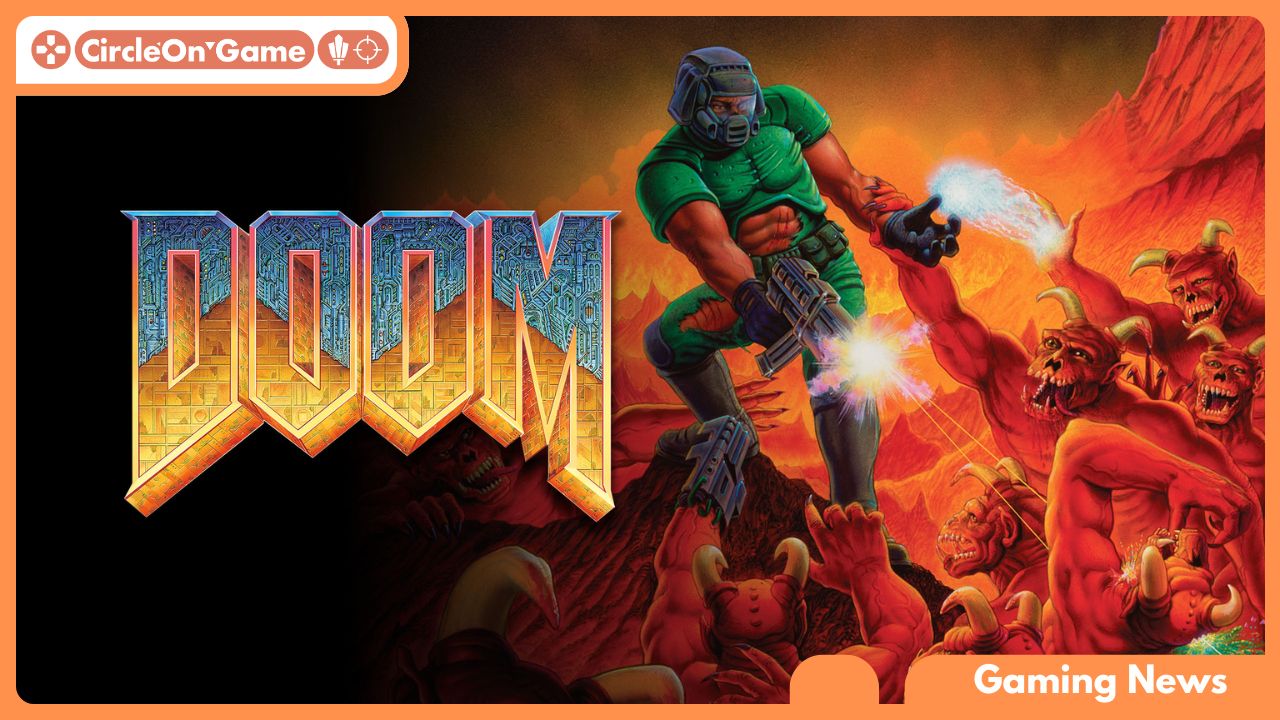

Within the exciting sphere of video games, few categories have undergone such significant transformation and cultural impact as the first-person shooter (FPS). What started in the early ’90s with simple pixelated chaos in games like DOOM has evolved into a complex arena filled with strategic nuances, breathtaking visuals, and intense competition. Each leap in technology has not only enhanced gameplay mechanics but has also redefined how players interact with virtual warfare. First-person shooters have transcended mere pastime; they now embody a vibrant eSports scene where gamers compete globally, attracting millions of viewers. This article takes you on a historical expedition, following the journey of FPS titles from their modest origins to their influential role in today’s gaming landscape, delving into innovations, debates, and the thriving community that has propelled them to prominence. Join us in exploring the captivating evolution and future significance of first-person shooters, as we honor both their historical roots and their continuing influence on interactive entertainment.
The Beginnings of a Genre: Examining the Growth of First-Person Shooters
The roots of first-person shooters can be traced to the early 1990s, a pivotal era that restructured the video gaming landscape. In 1993, id Software released DOOM, revolutionizing the industry with its 3D graphics and immersive gameplay that thrust players right into the action. This groundbreaking title introduced the idea of exploring detailed, maze-like settings teeming with adversaries and challenges while simultaneously pioneering multiplayer experiences via local networks. Its overwhelming success inspired a plethora of games, including Quake and Duke Nukem 3D, which further elevated graphics quality and gameplay mechanics. Players experienced a rush of excitement as they confronted enemies from a first-person viewpoint, fundamentally changing their gaming experience.
As the genre evolved into the late 1990s and early 2000s, the advent of the internet catalyzed a cultural transformation within FPS gaming. Titles like Counter-Strike and Battlefield embraced cooperative multiplayer structures that emphasized teamwork and tactics, cultivating a player community passionate about competition. These games introduced various features, such as economy systems, distinct character classes, and expansive battlefields, enriching the overall gameplay experience. The growing significance of dynamic online interactions laid the groundwork for the present-day eSports landscape, where first-person shooters have become staples in competitive gaming events. As franchises like Call of Duty and Overwatch continue to captivate audiences worldwide, the genre solidified its place at the forefront of the modern gaming industry.
Gameplay Mechanics and Advancements: How DOOM Laid the Groundwork for Modern Gaming
The influence of DOOM on gameplay mechanics is monumental, as it ushered players into an exhilarating 3D space that redefined the FPS genre. Its fast-paced action, complex level layouts, and immersive sound design crafted an exhilarating experience that enchanted gamers. The game introduced the concept of exploring intricate corridors filled with adversaries, prioritizing player skill over brute strength. Notably, the integration of mouse controls for aiming and the capability to look up and down were revolutionary. This innovation allowed for nuanced control and a deeper engagement with the game environment, establishing a precedent for a multitude of future FPS titles.
As DOOM cemented its status as a cultural monument, it paved the way for technological advancements in both graphics and gameplay mechanics. The advent of multiplayer modes, particularly cooperative and deathmatch functionalities, resonated deeply within the gaming community, fostering a competitive spirit that remains present in the current eSports arena. Innovations such as health regeneration systems, diverse weapon options, and strategic map utilization emerged from its legacy, influencing later hits like Half-Life and Counter-Strike. DOOM’s ability to weave narrative elements into a vast interactive universe confirmed that the FPS genre was not only focused on combat but also on captivating players with compelling storytelling—an aspect that continues to evolve in today’s gaming landscape.
Read More: Unlocking the World of Mobile Gaming in China: Trends, Innovations, and the Road Ahead
The Growth of eSports: Elevating Competitive Gaming to New Heights
The trajectory of competitive gaming has transformed from a niche interest into a global spectacle, propelled by the meteoric rise of first-person shooters that started with foundational games like DOOM. Initially, players engaged in local network competitions, enjoying pixelated skirmishes. Now, FPS titles such as Call of Duty and Counter-Strike: Global Offensive are showcased in grand arenas, attracting thousands of fans both in-person and through digital platforms. Major tournaments have escalated to feature multi-million dollar prize pools, spotlighting elite players who have gained celebrity status within the gaming community. Streaming platforms have connected these exhilarating events directly to fans, merging the realms of sport and entertainment seamlessly.
This newfound prestige for competitive gaming signifies a broader cultural transformation, where eSports are regarded on par with traditional sports. The production quality of these events rivals that of major league athletic fixtures, complete with expert commentary and detailed analysis, providing audiences with a viewing experience that rivals the excitement of championship games. The strategic dimensions of FPS titles—encompassing teamwork, individual skill, and swift decision-making—engage viewers, drawing parallels of excitement between players and spectators. The emergence of professional leagues and sponsorship initiatives further solidifies the role of FPS games within the broader sports ecosystem, nurturing a cycle of growth and innovation that promises to amplify in the coming years.
Emerging Trends in First-Person Shooters: Exploring New Horizons and Player Involvement
As the first-person shooter landscape progresses, the incorporation of virtual reality (VR) and augmented reality (AR) is poised to transform player experiences fundamentally. Game creators are increasingly developing immersive settings that enhance interactivity, allowing gamers to embody their avatars like never before. Titles utilizing cutting-edge VR technology not only deliver sensory excitement but also challenge conventional gameplay mechanics. With recent surveys indicating a surge in VR headset ownership, companies like Valve and Oculus are at the forefront of crafting visually stunning experiences replete with engaging narratives that compel players to think strategically and emotionally, deepening the overall interaction that contemporary FPS offerings provide.
In addition, community-centric platforms and live streaming services are reshaping how players engage and interact within these virtual conflict zones. The growth of eSports has cultivated a vibrant community where competitive spirit flourishes, but it’s the focus on player-driven design that sustains its longevity. Games have morphed into social platforms where individuals can strategize, collaborate, and demonstrate their abilities. Innovations like cross-platform functionality and customizable content creation tools serve to enhance this dynamic, fostering a rich shared experience among fans. As game developers continue to embrace this interactive philosophy, the first-person shooter genre stands on the verge of unprecedented advancements, promising to deepen connections and engagement that resonate with casual players and professional competitors alike.
Conclusion
Reflecting on the evolution of first-person shooters, from the pixelated realms of DOOM to the spectacular landscapes of contemporary eSports, it is clear that this genre has not only transformed the gaming industry but has also cultivated a global community centered on competition, strategy, and collaboration. Each release challenges the technological and narrative boundaries, offering engrossing experiences that evoke excitement and artistry.
As we gaze into the future, the potential for first-person shooters seems boundless, with innovations in VR, AI developments, and enhanced cross-platform capabilities on the horizon. This genre continues its evolution, enchanting both players and audiences, ensuring that the thrill of first-person gameplay remains a foundational aspect of gaming culture for many years to come.
In this vast digital battleground, one truth stands firm: whether you are an aspiring professional, a casual player, or a staunch supporter of the gaming industry, the essence of competition and the joy of gaming brings us all together in the exhilarating domain of first-person shooters. As we anticipate what lies ahead, we invite you to grab your controller, take your aim, and dive into the adventure.