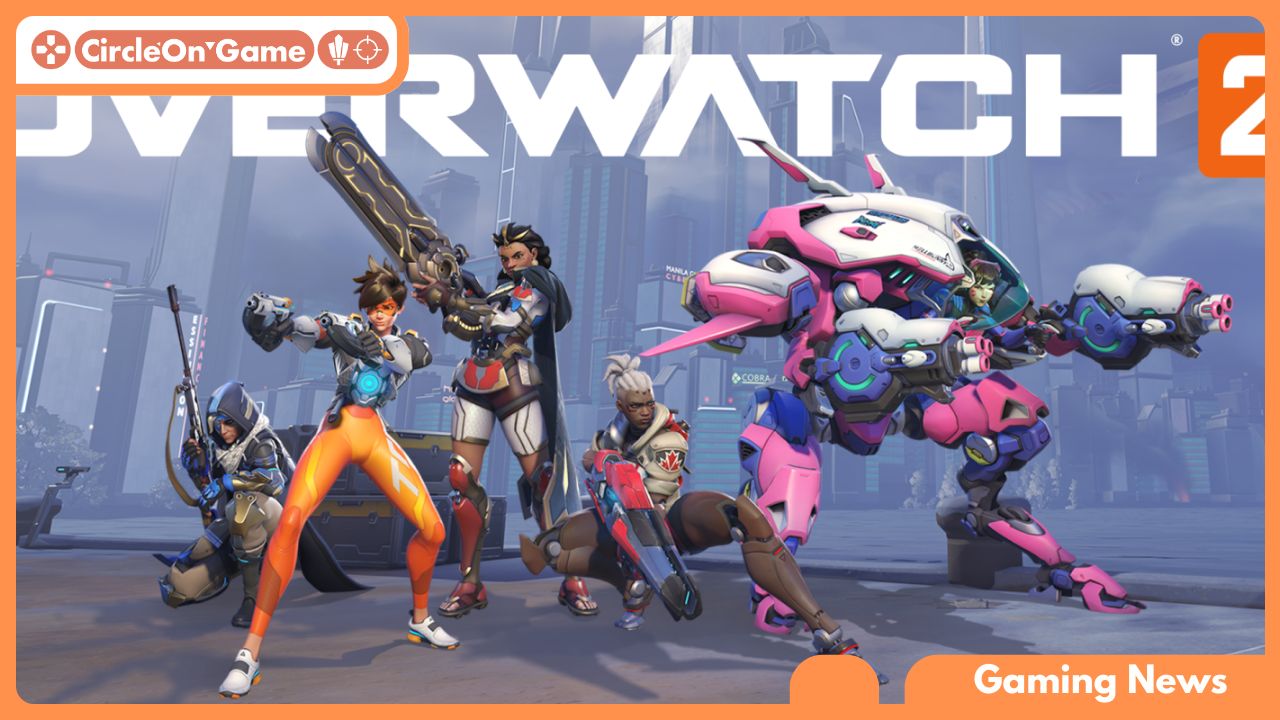

In the expansive domain of multiplayer gaming, few experiences have left as significant an impact as Overwatch. Released in 2016, Blizzard Entertainment’s team-oriented shooter rapidly evolved into a cultural sensation, revitalizing a genre defined by collaboration, tactical gameplay, and a plethora of character options. Its follow-up, Overwatch 2, aimed to usher in a new chapter of excitement, expansion, and progress, boasting numerous new features and an enriched storyline. Nevertheless, despite the high hopes and tremendous enthusiasm, Overwatch 2 has faced hurdles in recreating the electric ambiance and fervor that characterized its predecessor. This article explores the various elements that led to this disconnect, scrutinizing the balance between innovation and nostalgia as well as the crucial aspects of community interaction in a perpetually evolving gaming landscape. Come with us as we analyze the factors that contributed to the sequel’s inability to evoke the same passion as the original.
Examining Community Involvement Challenges
In the gaming industry, community involvement is often a carefully measured interplay between user expectations and developer communication. When Overwatch 2 was first announced, it appeared to promise a thrilling transition, intending to improve upon the remarkable achievements of the first game. Yet, as excitement grew, so did the gap between player expectations and the final product. Numerous community members felt neglected, perceiving that their feedback had either been dismissed or addressed with delays. This rift was evident through a series of updates that seemed more reactive than anticipatory, engendering frustration among a dedicated fan base that was once lauded for its enthusiasm.
Additionally, the transition from a primarily PvP setup to incorporating PvE components puzzled many players. Uncertainty around the game’s trajectory, alongside a perceived scarcity of interactive content in the months leading up to its launch, significantly dampened excitement. While the original Overwatch thrived on a rich variety of seasonal events and narratives crafted by the community, Overwatch 2 appeared to lack that same vigor. As players sought immersive experiences and meaningful advancements, the game struggled to retain their interest, leading to a noticeable decline in community involvement that sharply contrasted with the lively atmosphere of its predecessor.
Consequences of Expectations and Marketing Missteps
In gaming, establishing expectations can prove to be a double-edged sword. Overwatch 2 entered the scene backed by a whirlwind of excitement driven by the original’s unprecedented success. Players looked forward to a revolutionary sequel that would not only expand on existing lore but also introduce novel gameplay mechanics and a wealth of fresh content. However, once the game was finally launched, many found themselves feeling disenchanted. The lack of substantial new features and the impression of superficial depth led to a widespread feeling of underwhelm. Rather than reaching the high bar set by its predecessor, Overwatch 2 became overshadowed by it, leaving fans pondering what could have been.
Adding to the disappointment was the execution—or mismanagement—of the marketing strategy surrounding Overwatch 2. Initial teaser trailers and promotional materials hinted at an expansive universe brimming with content challenging the norms of multiplayer gaming. Yet, as details slowly surfaced prior to launch, it became apparent that the reality fell significantly short of those ambitions. This dissonance between the hype generated through marketing and the actual game experience proved disconcerting for many, contributing to a lukewarm reception that overshadowed what could have been a triumphant revival of the Overwatch brand.
Read More: Discover the Top 10 Chinese Mobile Games Taking the World by Storm!
Striking a Balance Between Innovation and Nostalgia
The gaming landscape continuously evolves, and navigating the delicate balance between innovation and nostalgia is vital when understanding how sequels are received. With immense anticipation preceding its release, Overwatch 2 faced a unique predicament. Players were eager for new adventures but remained emotionally tied to the cherished mechanics that defined the first game. Instead of amplifying the spellbinding charm and dynamic teamwork that characterized its predecessor, Overwatch 2 opted for a narrative-driven approach that felt disconnected from its core. The heavy focus on player-versus-environment (PvE) content lessened the thrilling multiplayer experience many fans held dear, leading some to feel as if the sequel had forsaken the essence that ignited their loyalty.
Moreover, the timing of Overwatch 2’s release compounded the challenges it experienced, as it entered a highly competitive market saturated with shooter games and newly evolved mech-driven titles. Although new updates and modes attempted to attract players seeking innovation, they ultimately strayed from the simplicity and addictive excitement of the original gameplay. The implementation of battle pass systems and perceptions of pay-to-win dynamics elicited criticism from the community, undermining the camaraderie that had previously flourished in the original game. By attempting to balance fresh offerings with a nod to nostalgia, Overwatch 2 found itself in a vulnerable position, grappling to achieve equilibrium that could rekindle its audience’s affection.
Strategies to Regain Player Engagement and Confidence
To rejuvenate excitement around Overwatch 2 and restore faith among players, a well-rounded strategy needs to be adopted, placing emphasis on open dialogue, consistent updates, and community involvement. Establishing a reliable feedback mechanism where players feel acknowledged can significantly strengthen the relationship between developers and the community. Developers should actively seek player opinions on gameplay mechanics, hero adjustments, and content updates and visibly implement that feedback. Monthly developer insights or interactive Q&A sessions can break down the development process, highlighting how player perspectives are shaping the game. Additionally, openly addressing prior errors and detailing remedial steps can cultivate credibility and loyalty within the player base.
Reintroducing striking content is equally vital for revitalizing the game’s momentum. Prioritizing regular events, fresh game modes, and seasonal updates can help maintain player interest. Catering to both competitive and casual audiences can broaden Overwatch 2’s appeal, ensuring various playstyles are recognized and appreciated. Instituting a strong rewards system for participating in events not only encourages log-ins but also fosters a sense of achievement and community belonging. These approaches can help forge a more robust connection between players and the evolving world of Overwatch 2, paving the way for lasting engagement and renewed excitement.
Final Thoughts on the Overwatch 2 Journey
The saga of Overwatch 2 serves as a pivotal lesson in game development, illustrating that recreating the same spark is no straightforward task. While the original Overwatch introduced a unique combination of innovation and allure, its sequel struggled to capture that same essence, encountering obstacles ranging from player anticipations to narrative development and design decisions. As we look ahead, it becomes evident that the gaming community desires more than mere familiarity; they yearn for meaningful growth, engagement, and authenticity.
With insights gained from the Overwatch 2 experience, developers may uncover new paths forward, skillfully balancing nostalgia with innovation while ensuring the heart of what endeared the first game remains intact. As we reflect on this journey, the hope is that the future will provide brighter opportunities for this iconic franchise, rekindling the excitement that once surrounded it. The aspirations for resurgence are palpable because, in the gaming world, every setback creates openings for fresh possibilities.