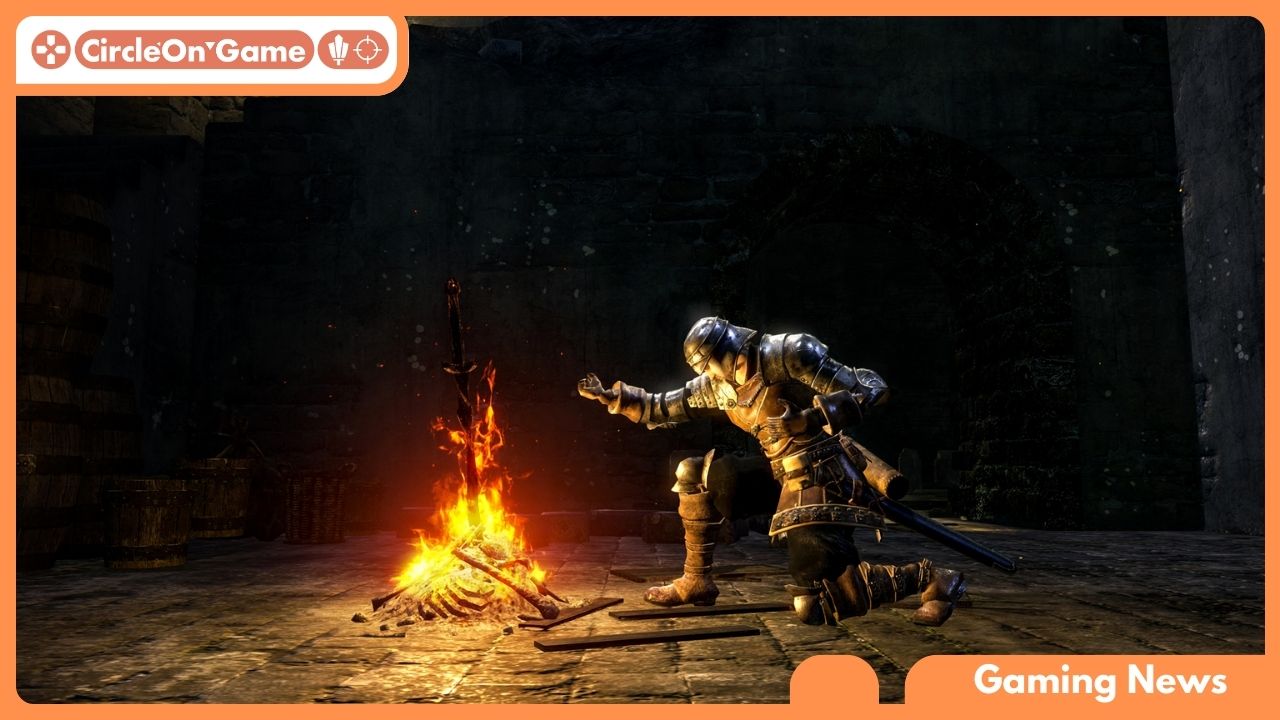

In the world of video gaming, few series are as esteemed and demanding as “Dark Souls.” Conceived by the innovative studio FromSoftware, this franchise captivates players with its complex lore and meticulously designed environments. “Dark Souls” ultimately sets a new higher standard within the action genre. Central to its appeal is a masterfully crafted narrative of despair juxtaposed with resilience, where each adversary presents not only a significant challenge but also an opportunity for the player to develop their skills. Moreover, the influence of “Dark Souls” transcends mere difficulty; it has sparked a phenomenon of action titles that aspire to emulate its distinctive mechanics, immersive storytelling, and minimalist aesthetics. This article examines how “Dark Souls” revolutionized the action gaming landscape, paving the way for a new era that embraces challenge, exploration, and the intricate balance of risk and reward. We invite you to explore the profound legacy of ”Dark Souls” and the emerging games that draw inspiration from its dark legacy.
Unpacking the Combat Dynamics of Dark Souls
The combat mechanics in ”Dark Souls” are as intricate as they are punishing, engaging players in a blend of tactical depth and physical involvement. Each encounter becomes a tightrope walk of precision and restraint, requiring mastery of both offensive and defensive strategies. With a finite number of healing items and a stamina gauge that governs every action, players must learn to read their enemies’ movements, anticipate strikes, and respond with well-timed counters. This focus on timing turns every confrontation into a high-stakes encounter, where success relies heavily on adaptability to varied enemy behaviors—be it hulking giants or quick, agile opponents ready to capitalize on any sign of carelessness.
Perhaps the most enticing feature of “Dark Souls” lies in its steep learning curve that nurtures a deep sense of accomplishment. Failure acts not merely as a setback but as an instructional moment; each defeat reveals the nuanced behaviors of foes and environmental dangers. As players progressively acquire new weapons, armor options, and skills, they gain the freedom to tailor their combat approach—some may favor the brute strength of a massive axe, while others may opt for the sleek precision of a rapier. This agency, combined with the game’s unforgiving nature, cultivates a unique connection between players and their avatars, transforming victory into not only a game reward but an emotional conquest over challenging hurdles.
Read More: Female Protagonists in Action Gaming: The Surge of Empowered Heroes
Environmental Storytelling: A Narrative Revolution in Gaming
In the genre of action games, few titles meld environmental storytelling with gameplay mechanics as adeptly as “Dark Souls.” Every aspect of its somber and eerie world acts as a canvas filled with enigma and lore, beckoning players to unravel the disjointed history of its desolate landscapes. The crumbling edifices, distorted terrains, and ominous atmospheres communicate profound narratives without a single spoken line. As players navigate the ruins, they stumble upon echoes of bygone conflicts, forgotten sacrifices, and remnants of a once-thriving society, creating a visceral sense of place that deepens emotional investment. Rather than relying on traditional storytelling methods, “Dark Souls” encourages inquisitive exploration and perception, prompting players to extract stories embedded in the very world, with each realm serving as a poignant stanza in a wider epic.
The brilliance of “Dark Souls” shines through its design approach that rewards dedicated exploration with rich narrative experiences. Environmental storytelling cues emerge through enemy placements, item descriptions, and the world’s architecture, collectively creating a cohesive narrative framework. Key locations, like the deteriorated Anor Londo or the dreary Blighttown, possess identities that resonate with their historical significance, enriching player immersion. With minimal reliance on dialogue and cutscenes, the narrative experience liberates the player’s imagination, driving them to form personal interpretations of the world and its inhabitants. In this hauntingly quiet yet evocative space, “Dark Souls” redefined not only action gameplay but elevated storytelling to a visceral art form, highlighting that the most compelling narratives may whisper rather than shout.
Fostering Community: Dark Souls and the Online Multiplayer Experience
“Dark Souls” is notorious for its unforgiving nature, yet amidst its rigorous landscapes lies a rich tapestry of community and connection that has reshaped the online multiplayer dynamic. In contrast to typical multiplayer games that often emphasize cooperation or competition, “Dark Souls” introduces an innovative asynchronous multiplayer system. Players can leave instructive messages for one another, share strategies, and issue warnings about lurking threats. This feature fosters a deep sense of camaraderie among players who may never interact directly but find solace in the shared challenge of traversing perilous terrains. The excitement of encountering a cryptic hint or witnessing another player’s ghost enhances the allure of solo gameplay, turning it into a shared journey.
Additionally, the ability to summon allies for boss encounters or to assist fellow gamers in distress cultivates an environment where individual challenges become collective victories. This synergy amplifies the thrill of combat while deepening player engagement, encouraging the formation of friendships that extend beyond the digital realm. As players unite to conquer intimidating foes, sharing their experiences across forums and social media, a strong sense of belonging emerges, resonating with both veterans and newcomers alike. Through this lens, “Dark Souls” has fostered a distinctive online community that values shared experience in the face of adversity, thus redefining the essence of being a player in the interconnected panorama of digital gaming.
Designing Intricate Worlds: The Rewards of Exploration in Dark Souls
The universe of “Dark Souls” is a testament to meticulous craftsmanship, inviting players to navigate its interconnected realms and rewarding explorative efforts. Every inch of the game is laced with secrets yearning to be uncovered—hidden pathways, rare items, and lore that enrich the sprawling narrative. This philosophy of design centers on engendering a sense of discovery; players are encouraged to probe their environment, leading to unexpected encounters that profoundly shape their journey. The excitement of unearthing a new area not only enriches gameplay but also heightens emotional investment. The nuanced level design exemplifies the developers’ dedication to creating an immersive, living world where player actions dramatically influence their progression.
The architectural sophistication within the game enhances its immersive quality significantly. Areas are often layered and multi-faceted, allowing players to look down at locations they have previously explored, reinforcing the idea of being part of a grand, interconnected ecosystem. Concepts of verticality and spatial awareness play critical roles as players navigate decaying castles, shadowy caves, and towering strongholds. Each environmental challenge intricately marries combat with exploration, prompting players to utilize their skills in ways that feel both gratifying and arduous. This sense of continuity elevates beyond superficial level transitions, immersing players in a narrative where curiosity is their most formidable ally, transforming every playthrough into a personal journey of triumph and discovery.
Conclusion
As we journey through the perilous realms of “Dark Souls” and its genre-defining peers, it becomes apparent that these games impact far beyond their punishing mechanics and atmospheric settings. They have reshaped our perception of what action gaming can encompass, compelling players not only to confront formidable adversaries but to engage with the core tenets of perseverance and strategic thinking. In an industry that thrives on innovation, these titles have paved new paths, inviting both developers and players to delve deep into the nuances of challenge, narrative sophistication, and player empowerment.
Ultimately, the legacy of “Dark Souls” and its contemporaries resides not solely in their capacity to engage and entertain but in their ability to inspire reflection and resilience. As we anticipate the future of action gaming, we carry with us the lessons gleaned from these dark, immersive odysseys—a poignant reminder that within the shadows, the most significant victories often await those courageous enough to embrace the journey.