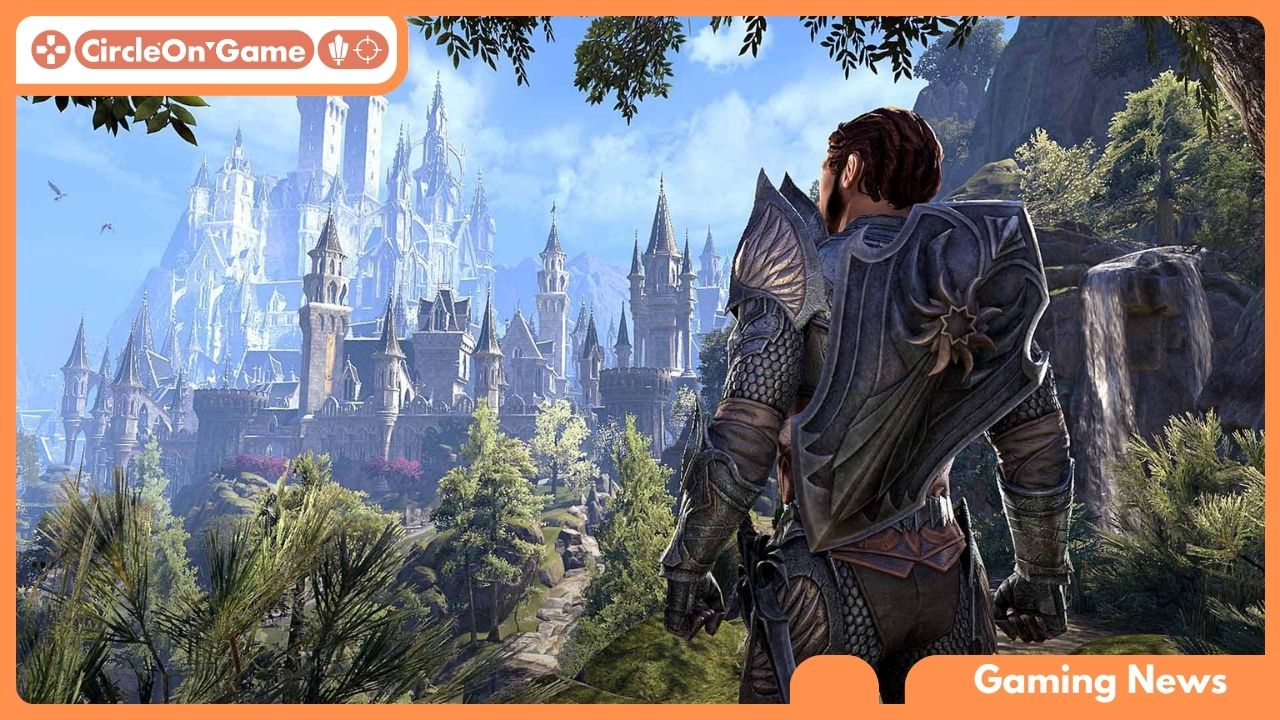

The Journey of Elder Scrolls: From Arena to Online Ventures
The Elder Scrolls saga commenced in 1994 with “The Elder Scrolls: Arena,” ushering players into the expansive realms of Tamriel. This groundbreaking title introduced an unprecedented scale and mechanics that expanded the boundaries of RPGs. Arena’s innovative use of procedural generation granted players vast landscapes to explore, imbuing them with a sense of both insignificance and significance in their adventures. The success of Arena set the stage for what would become a defining characteristic of the series: an open world brimming with lore, diverse cultures, and an array of quests.
Subsequent installments, such as “Daggerfall,” pushed this vision further by presenting a more extensive world populated with thousands of NPCs and an intricate political canvas. With inventive features including a robust magic system and detailed inventory mechanics, these developments laid the foundation for future games in the series.
As the franchise advanced through the years, culminating in the online experience introduced with “The Elder Scrolls Online,” it preserved its core values while adapting to the evolving gaming landscape. The challenge of conveying rich narratives in a massively multiplayer setting was met with imaginative solutions, igniting new social dynamics among players. “The Elder Scrolls Online” not only reinforced the franchise’s legacy but also opened new channels of community engagement, where players could collaborate and embark on quests collectively, successfully blending the rich tradition of solo storytelling with the vibrant experiences that online realms offer.
Read More: Code Vein: Dive Into an Anime-Inspired Dark Souls Adventure!
Mastery in World-Building: Creating Immersive Universes
The Elder Scrolls series is unparalleled in its ability to construct vast, immersive worlds that draw players into their depths. Each game—whether it’s the expansive terrains of Skyrim or the bustling cities of Cyrodiil—showcases an extraordinary level of detail in geography, culture, and history, enriching the Elder Scrolls universe. World-building transcends mere visual appeal; it is about designing a dynamic ecosystem where NPCs lead their lives amid captivating stories and vivid settings. Every region resonates with distinctive cultural influences, enveloping players in an immersive experience that intertwines realism with fantasy.
The game’s developers have ingeniously incorporated mechanics that promote exploration and engagement, emphasizing the story told through the environment. Dungeons harbor whispers of ancient secrets, ruins preserve the legacies of bygone civilizations, and lofty mountains offer the thrill of discovery. This level of engagement allows players to chart their narratives, transforming them into heroes in an expansive world where their actions bear weight, mirroring the complexities of a richly detailed environment. Such sophisticated world-building not only shapes players’ experiences but also sets a high benchmark for future games, inspiring an endless pursuit for deeper immersion in digital realms.
Shaping Character Journeys: The Art of Personalization
Character development and personalization in The Elder Scrolls series are pivotal in cultivating immersive role-playing experiences. Players can meticulously craft avatars that reflect their aspirations and playstyles right from character creation. The array of choices—selecting unique races, customizing physical attributes, and mastering distinct abilities—creates a deeply personal connection to one’s character, influencing gameplay dynamics. Whether embodying a skilled archer or a formidable mage, the intricate options available propel players to experiment and explore the full breadth of their chosen identities.
Moreover, rich narrative depth seamlessly intertwines with character customization. As players navigate their quests, they face moral dilemmas that challenge their ethical beliefs, forging relationships with a diverse array of NPCs and impacting the overarching tale. Every choice leaves rippling consequences, enhancing the feeling of agency in directing one’s narrative. Engaging in side quests, honing various skills, or allying with factions opens pathways for unique adventures, further enriching the intricate character arcs that players cultivate throughout their journeys. This fusion of personalization and storytelling raises The Elder Scrolls to an extraordinary level of engagement, inviting players not just to inhabit a world but to integrate into its unfolding saga.
Lasting Impact of Elder Scrolls on Action RPGs: Legacy and Future Prospects
Undoubtedly, The Elder Scrolls series has profoundly influenced the action RPG genre, merging profound lore, expansive exploration, and character customization into a cohesive experience that has become a hallmark of the genre. From the vast terrains of Skyrim to the intricate faction dynamics of Tamriel, these titles have delivered immersive gameplay while empowering players to carve out their own destinies. This level of freedom was revolutionary upon the series’ inception and paved the way for future titles to follow suit.
As the genre continues to progress, the ethos of The Elder Scrolls invites developers to rethink both storytelling and world-building techniques in games. Upcoming titles are likely to embrace the delicate balance of choice and consequence, urging players to interact with narratives that evolve based on their decisions. Moreover, advancements in technology may lead future action RPGs to feature more dynamic environments and AI systems that respond intuitively to player actions. As a benchmark for creativity and quality, the enduring legacy of The Elder Scrolls will continue to inspire emerging developers keen on crafting the next wave of immersive role-playing experiences.
Conclusion
Our exploration into the Elder Scrolls series and its significant impact on action RPGs confirms that this beloved franchise is more than a mere collection of games; it is a vibrant tapestry interwoven with lore, intricate worlds, and player-driven stories. From the snow-capped landscapes of Skyrim to the sun-drenched sands of Elsweyr, every installment invites players to enter a universe where every choice holds significance and every destiny can unfold uniquely.
Throughout the years, The Elder Scrolls has not only established a standard for open-world design but has also reshaped the concept of player agency in storytelling. Its influence reverberates across countless games that have followed, compelling developers to stretch the limits of interactivity and immersion. As we ponder the possibilities for future iterations, one thing remains certain: the enduring spirit of adventure and exploration that The Elder Scrolls embodies will continue to resonate with generations of gamers.
So, as you embark on your next quest, remember that every dragon slain and every prophecy fulfilled contributes to a larger narrative that extends far beyond the confines of your screen. Whether you are a seasoned Dragonborn or a fresh recruit ready to make your mark, The Elder Scrolls will always provide a gateway to uncharted territories, echoing the timeless allure of adventure.