
As technology continues to advance and merge with our daily lives, our perception of pet companionship has undergone a major shift. No longer confined to tangible creatures with fur, the idea of pet ownership now extends into an exciting digital realm. The phenomenon of virtual pets and their predecessors, the Tamagotchis, have kept millions of individuals entertained while fostering learning and engagement worldwide. The evolution of these digital companions, from the basic handheld devices of the late 1990s to today’s advanced augmented reality platforms, showcases how they resonate with our human need for connection, nurturing, and responsibility in a fast-paced, digital world. Let’s delve into the enchanting journey of these digital friends and their implications for our contemporary existence.
Tracing the Roots of Virtual Companions in Gaming
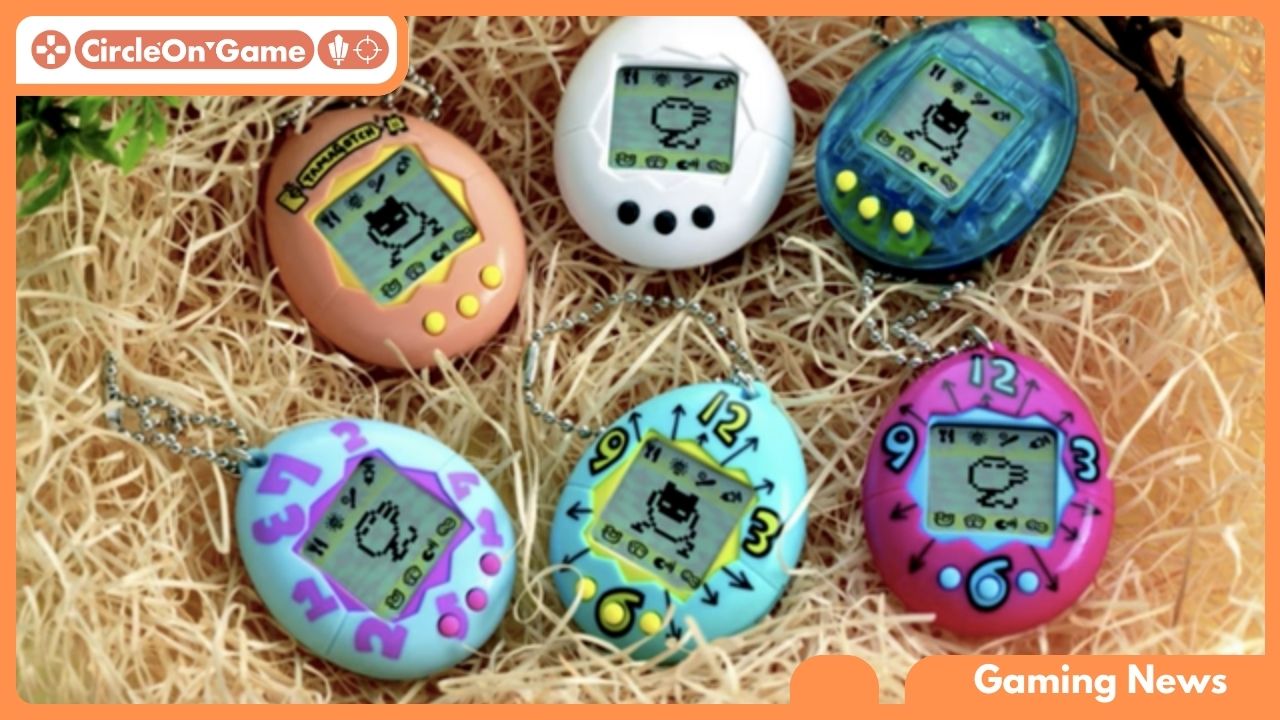
The concept of virtual pets was born during the technological bloom of the 1990s when the gaming industry began to thrive. This period saw the rise of handheld devices and a burgeoning appetite for interactive entertainment. One of the groundbreaking figures during this time was the Tamagotchi, a pocket-sized digital pet that demanded care and attention from its owner, echoing the responsibilities associated with real pets. Introduced by Bandai in 1996, Tamagotchi captured the hearts of a generation, intertwining strategy and emotional connections. Players needed to feed, play with, and maintain cleanliness for their digital pets, creating a unique blend of enjoyment and responsibility that promoted empathy and interaction.
As the digital landscape expanded, the fascination with virtual companionship created opportunities for more intricate and elaborate gaming experiences. Games evolved, allowing for richer environments and increased customization, which fostered more profound relationships between users and their digital pets. Notable titles like “The Sims” integrated pet ownership into their life simulation models, while franchises such as “Pokémon” introduced creatures players could capture, train, and bond with on extraordinary adventures. These interactive experiences showcased the playful dynamics of virtual companions while highlighting the storytelling potential within gaming, leading players to weave personal narratives into their digital interactions. This historical progression reflects a significant cultural shift, where the desire for connection—whether through caring for a pixelated friend or engaging within vibrant online communities—became a central theme in gaming experiences.
The Transformation of Tamagotchis and Their Influence on Future Developments
The tale of Tamagotchis represents a captivating journey of nostalgia and progress, exemplifying the shift from basic pixelated companions to intricate digital entities. When the first Tamagotchi emerged in the mid-90s, it ignited a global craze, not just because of its compact design but also its innovative portrayal of pet care that felt engaging and relatable. Over the years, these virtual companions have dramatically evolved as technological advancements have enabled improved graphics, immersive gameplay, and device connectivity. Each iteration has opened up new possibilities for what a virtual pet can represent, introducing augmented reality features, health monitoring, and social interactions that combine the virtual and real worlds in unprecedented ways.
Looking to the future of virtual pet design, the influence of Tamagotchis is evident across various spheres of gaming and technology. Designers now face the challenge of creating experiences that not only entertain but also resonate with users on an emotional level. The legacy of Tamagotchis has laid the groundwork for an expanding universe of digital companionship, encouraging developers to tackle themes such as empathy, responsibility, and mental well-being in their designs. Advancements in fields like artificial intelligence and machine learning hint at a new chapter where virtual companions can learn and adjust to their owner’s preferences dynamically, suggesting that future pet simulations will prioritize interaction while fostering a deeper understanding of human emotion. As we navigate this evolution, it’s clear that Tamagotchis have significantly shaped the design principles guiding virtual pet experiences for years to come.
Read More: Get Ready for NBA 2K25: Exciting Features and Surprises Await!
The Psychological Gains from Nurturing Digital Pets
Engaging with digital companions can elicit various beneficial psychological outcomes, particularly as these virtual entities cater to fundamental human instincts. Caring for a digital pet often cultivates a sense of responsibility as users assume the role of caretakers, ensuring their virtual companions are fed, content, and thriving. This nurturing role can foster feelings of purpose and accomplishment, as the act of caring creates a rewarding cycle where users see direct results from their attentiveness. For many individuals, witnessing their digital companion grow reinforces the significance of care and attention, which can translate into heightened empathy and compassionate behavior in real-life relationships.
Moreover, interactions with these virtual companions can serve as a tool for emotional regulation, offering solace and companionship in stressful or lonely moments. Digital pets provide reliable sources of comfort, allowing users to explore their emotions free from the anxieties that can accompany human interactions. Engaging with a virtual pet can alleviate anxiety, creating a controlled and predictable environment where users express affection. The joy from delightful animations or the happiness from receiving digital rewards contributes to a sense of fulfillment, enabling players to experience connection and emotional engagement through technology.
Top Modern Pet Simulation Games and Apps
The world of pet simulation games and applications is vibrant and diverse, appealing to both animal lovers and gamers. One standout title is “Neko Atsume,” where players lure adorable cats into their virtual yards with delightful treats and cozy amenities. With its charming visuals and laid-back gameplay, it offers a delightful escape, allowing users to create their own cat paradise without the responsibilities of real pet ownership. For those desiring a more hands-on experience, “Pet Simulator X” on Roblox invites users to traverse a lively world, collecting and trading various pets while discovering secrets and treasures. This game not only inspires creativity but also promotes social interaction among players, providing a fresh twist on the genre.
Another notable contender is “My Tamagotchi Forever,” a modern revival of the beloved 90s classic. This game skillfully blends nostalgia with contemporary mobile gameplay, allowing players to nurture their digital pets and participate in mini-games and community activities. With customizable settings and a vibrant art style, it appeals to both long-time fans and newcomers alike, reminding us why virtual companions hold a cherished place in our hearts. Lastly, for those seeking an engaging mix of strategy and pet care, “Adopt Me!” on Roblox provides a vast platform for adopting pets, crafting homes, and enjoying exciting events. Its focus on community-building and trading injects depth and fun, demonstrating that digital pets will continue to resonate with enthusiasts of all ages.
Final Thoughts
As we conclude our exploration of the fascinating evolution of virtual pets and Tamagotchis, it’s evident that these pixelated companions have transcended their humble origins. From the nostalgic beeping of early handheld devices to today’s advanced simulation applications, virtual pets have encapsulated our social dynamics, technological advancements, and our innate yearning for connection in a digital age.
The journey of Tamagotchis and their descendants reveals much about our relationship with technology; they challenge us to nurture, care for, and contemplate our responsibilities, whether within the realm of a simulated experience or during our interactions with real-world companions. Looking forward, it’s thrilling to anticipate the innovations that lie ahead in this interactive domain. Will our love for virtual pets continue to flourish, or will they evolve to meet the future’s demands? One thing remains certain: the legacy of these cherished digital beings will persist, reminding us of the joy and companionship that even the most straightforward simulations can impart. Whether you are a seasoned keeper or a curious newcomer, the realm of pet simulation games invites you to embark on an enchanting adventure, ensuring that the spirit of Tamagotchis—and all digital companions—lives on in our hearts and on our devices.