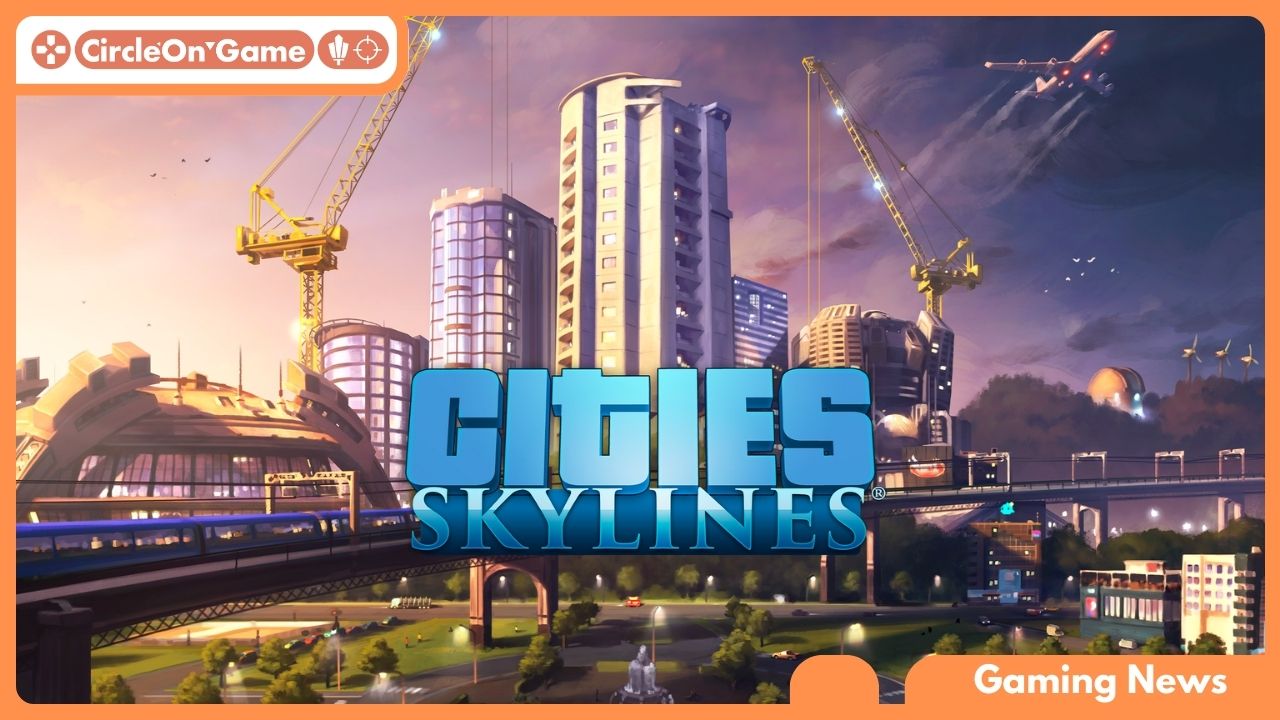

Welcome to the vibrant world of Cities: Skylines, where you can shape your own urban landscape from the ground up! Whether you dream of bustling metropolises or charming small towns, this city-building simulation offers endless possibilities for creativity and strategy. However, stepping into this expansive environment can be daunting for newcomers. Fear not! In this comprehensive beginner’s tutorial, we will guide you through the foundational elements of designing and managing your city. From zoning and infrastructure to balancing budgets and managing traffic, you’ll gain the essential skills needed to transform an empty plot of land into a thriving urban center. So grab your architect’s hat, and let’s embark on the exhilarating journey of city creation together!
Understanding the Basics of City Planning and Management
City planning and management encompass a myriad of elements that work together to create functional, livable urban areas in Cities: Skylines . At its core, effective planning ensures that residential, commercial, and industrial spaces harmonize, allowing for smooth interaction between different zones. This involves thoughtful land use, where considerations like transportation access, environmental sustainability, and community needs influence the layout. Planners often employ tools such as zoning regulations and land-use maps to create a structured framework, guiding growth and development while preserving public interests like safety and aesthetics.
Management plays a crucial role in maintaining the balance established through planning. It requires ongoing oversight, including infrastructure maintenance and the implementation of policies that address issues such as traffic congestion, waste management, and public safety. Innovation in urban management, such as integrating smart technology and data analytics, empowers city leaders to make informed decisions that enhance the quality of life for residents. By prioritizing these foundational aspects, cities can evolve dynamically, ensuring they meet the needs of present inhabitants while being adaptable to future challenges.
Read More: Mobile Sports Gaming: A New Era of Engagement
Cities: Skylines Essential Tools and Resources for New Players
As you embark on your journey in the bustling world of city-building, having the right tools at your disposal can transform your experience from overwhelming to exhilarating. Start by exploring the in-game tutorials; these handy guides walk you through the basics of construction, zoning, and managing city services. Beyond the tutorials, consider utilizing popular online resources such as YouTube channels dedicated to Cities: Skylines. These channels often feature live gameplay, creative building tips, and unique challenge runs that can inspire you and provide fresh ideas for your city.
In addition to video content, there are vibrant Cities: Skylines communities on forums like Reddit and Discord where seasoned players exchange advice, share custom assets, and collaborate on modding. Engaging with these platforms can significantly enhance your understanding and enjoyment of the game. Another essential tool to keep handy is a planning app or sketchbook for jotting down ideas before implementing them in your city. Proper planning not only helps in building a functional city but also gives you the satisfaction of watching your vision come to life, step by step.
Effective Strategies for Balancing Growth and Sustainability
One effective strategy in Cities: Skylines for fostering a harmonious interplay between urban growth and ecological sustainability is the implementation of green building practices. By prioritizing energy-efficient structures and sustainable materials, cities can significantly reduce their carbon footprint while accommodating increasing populations. Integrating features such as green roofs, solar panels, and rainwater harvesting systems not only enhances the aesthetic appeal of urban landscapes but also contributes to environmental conservation. This approach invites developers to innovate while meeting regulatory requirements, ultimately leading to a stronger, more resilient infrastructure that caters to both residents’ needs and environmental wellbeing.
Another key Cities: Skylines strategy lies in the development of mixed-use zoning policies, which promote the blending of residential, commercial, and recreational spaces. This thoughtful design reduces the need for extensive transportation networks, thereby lowering greenhouse gas emissions. By fostering walkable neighborhoods where essential services and green spaces are within close proximity, cities can enhance community engagement and healthy living. Encouraging public transport, cycling, and pedestrian-friendly pathways further strengthens this model, creating vibrant urban areas that prioritize the quality of life for their inhabitants while sustaining the delicate balance of ecological health.
Navigating Challenges: Tips for Overcoming Common Obstacles
When embarking on your Cities: Skylines journey in a city simulation game, it’s common to encounter a range of obstacles that may initially seem daunting. One of the first challenges players often face is resource management. To navigate this, focus on establishing a balanced economy. Start by prioritizing essential services that your citizens require—water, electricity, and waste management. It’s crucial to understand the interconnectedness of different city elements; for example, densely populated areas will demand more resources. Diversifying your income sources by exploring taxes, granting services, and implementing smart zoning practices can pave the way for a thriving metropolis, mitigating the frustrations of running out of funds.
Another frequent hurdle is dealing with Cities: Skylines traffic congestion, which can lead to a cascade of problems for your city. To overcome this challenge, consider investing in effective transportation infrastructure early on. Utilize public transport options like buses and trains to alleviate road congestion and promote accessibility. Encourage walking and cycling by designing pedestrian-friendly pathways and green spaces. Keep a close eye on traffic flow and adjust your road layouts where necessary. By prioritizing efficiency and accessibility while maintaining the aesthetic appeal of your city, you’ll not only reduce stress on the roads but also enhance the quality of life for your citizens.
In Conclusion
As we conclude our journey through the vibrant world of Cities: Skylines, we hope this beginner’s tutorial has equipped you with the essential tools to embark on your own urban adventure. From laying the first roads to managing the intricacies of city planning and growth, remember that every skyscraper and bustling street began as a simple idea, brought to life through imagination and strategy.
As you step into the role of mayor in Cities: Skylines , don’t shy away from experimenting with different designs and policies—after all, every successful city is a tapestry woven from both triumphs and challenges. Embrace the learning curve; what may seem like a setback today could lead to innovative solutions tomorrow.
So, gather your resources, set your vision, and dive into the captivating complexity of urban development. Your city awaits, and with each choice you make, you’re not just building a metropolis—you’re crafting a story worth telling. Happy building!