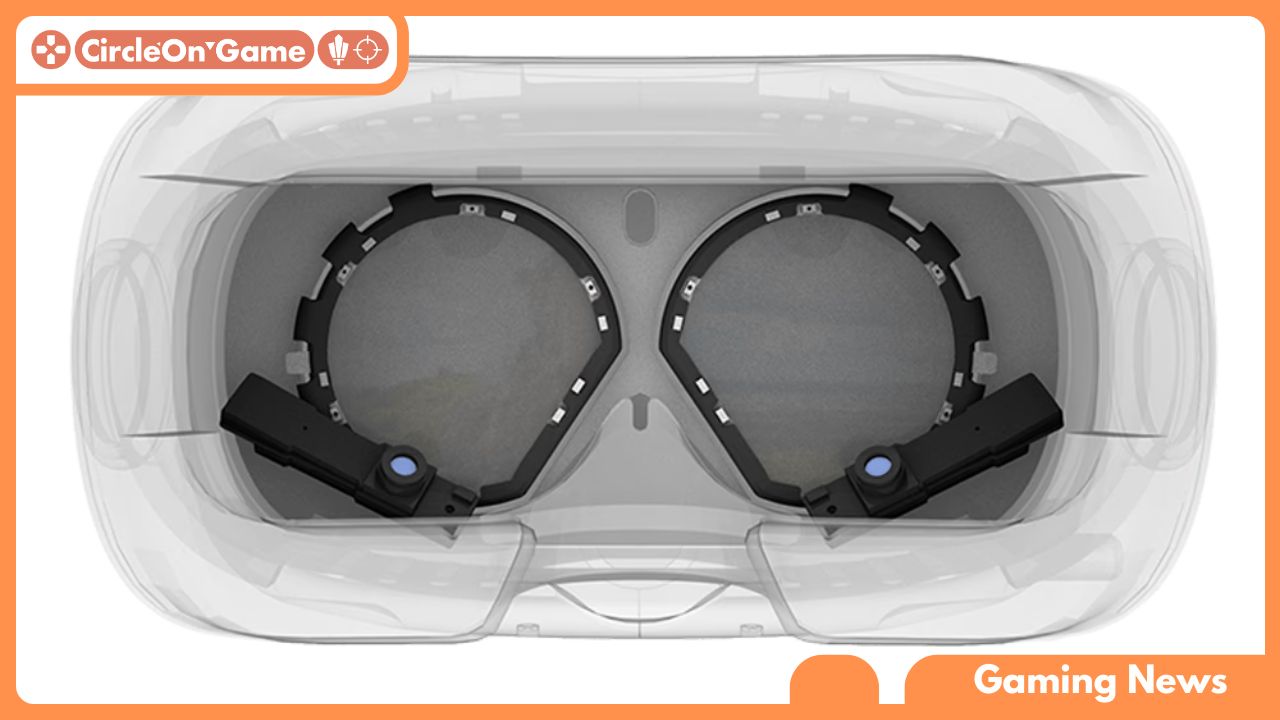

Unpacking the Benefits of Eye-Tracking in Virtual Reality
The introduction of eye-tracking technology into virtual reality experiences unlocks numerous opportunities for increasing user immersion and engagement. By precisely monitoring users’ visual focal points, developers can craft interactions that genuinely respond to a user’s gaze. For instance, this capabilities enable VR environments to dynamically highlight or animate elements based on where users are looking, subtly guiding their experience in profound ways. This technology also facilitates enhanced performance optimization; analyzing gaze data allows developers to pinpoint which aspects draw interest or provoke confusion, resulting in refined designs that heighten user satisfaction and storytelling.
Moreover, the scope of this technology extends beyond immersive engagement to significantly bolster accessibility and diverse interaction modalities. Eye-tracking can empower those with physical challenges to navigate VR environments using just their eyes, providing crucial inclusivity and allowing a wider range of individuals to partake in VR experiences. As developers harness the nuanced precision of eye-tracking, they can create tailored interactions that resonate on a personal level, shaping a virtual space that is both inviting and engaging for all users.
Read More: Top VR Games to Play in 2024
Addressing the Technical Hurdles of Eye-Tracking Integration
Embedding eye-tracking technology into VR headsets creates a complex array of technical challenges for developers and manufacturers. A primary obstacle is the calibration process, which necessitates precise coordination between hardware and software to achieve accurate gaze tracking. Variations in individual eye structure and movements can introduce inconsistencies, making it difficult to develop a one-size-fits-all solution. Advanced algorithms are required to correct these discrepancies and adapt to users’ visual habits, adding more layers of intricacy to both engineering and user experience design. Additionally, the demand for real-time eye-tracking functionality necessitates enhanced processing capabilities, potentially increasing the bulk and expense of headsets.
Another significant challenge involves balancing eye-tracking data within the larger VR framework. Developers must design environments that intelligently leverage gaze information, as overloading users with excessive visual stimuli or inaccurately interpreted gaze could disrupt the immersive experience, leading to fatigue or discomfort. The task is to refine the technology while also rethinking content to ensure that it responds to users’ focus without diminishing the overall experience. With advancements in machine learning and artificial intelligence, future systems may become more intuitive and responsive, but achieving a seamless interaction remains an essential goal in the evolution of eye-tracking for virtual reality.
Advancing Interaction and Accessibility through Eye-Tracking
The integration of eye-tracking technology revolutionizes user interaction dynamics by offering valuable insights into how users interact with virtual spaces. This deep understanding enables developers to craft experiences tailored to individual behaviors and preferences. By examining gaze patterns, designers can enhance user interface elements to ensure crucial features attract attention effectively, boosting engagement while minimizing cognitive load. Additionally, these sophisticated systems can adapt in real-time, responding to users’ visual preferences to create a more immersive experience, fostering a stronger connection between the user and the virtual environment.
Accessibility also gains significant advancements through eye-tracking technology, which can provide alternatives for users with mobility limitations. By allowing navigation through eye movements, individuals who struggle with conventional input devices can explore virtual spaces and engage with digital content more effortlessly. This innovation paves the way for inclusive gaming experiences, educational platforms, and professional training simulations, ensuring that a wider audience can access the myriad benefits of virtual reality. Eye-tracking not only enriches engagement but also advocates for equitable accessibility, making immersive encounters available to all, regardless of individual physical capabilities.
Future Directions in Eye-Tracking VR: What Awaits Developers and Users?
As technological advancements progress, the incorporation of eye-tracking features in virtual reality (VR) headsets is set to transform user interactions and application development. Developers can leverage eye-tracking to create richer experiences, enhancing user engagement with gaze-based UI navigation and responsive content rendering. This allows virtual settings to intuitively react to users’ focal points, making applications more user-friendly and minimizing the learning curve for newcomers. Moreover, eye-tracking can optimize graphical performance by directing computing resources toward the areas users concentrate on, thus ensuring a smoother experience without overloading the hardware.
For users, the implications of this technology extend beyond gaming; they encompass areas such as accessibility and health assessment. Eye-tracking holds the potential to tailor VR experiences to individual preferences, especially for those with disabilities. Furthermore, monitoring eye movements can produce crucial data regarding user behavior and emotional reactions, potentially fostering development in therapeutic applications catering to mental health and rehabilitation. However, as with any progressive technology, challenges related to privacy, data protection, and maintaining user comfort need to be addressed. Navigating these challenges will be essential as developers and users venture toward a more intertwined and responsive realm of virtual reality.
Conclusion: The Path Forward in Eye-Tracking VR
As we embark on an exhilarating journey through VR headsets enriched with eye-tracking technology, it is evident that we are at the brink of a pivotal transformation—one that promises to redefine our digital interactions and broaden the scope of virtual experiences. The myriad advantages, ranging from enhanced gaming realism to cutting-edge applications in areas like healthcare and education, are immensely appealing. Nevertheless, as discussed, significant challenges, including privacy issues, technological limitations, and user comfort must be thoughtfully navigated.
The conversation surrounding eye-tracking in VR is just beginning. As manufacturers work to refine this technology while addressing the associated complications, all stakeholders—consumers, developers, and researchers alike—will have a vital role in shaping its trajectory. The journey ahead is undeniably complex, marked by potential yet tempered with caution, but it is abundant with promise.
As we remove our headsets and transition back into reality, we are reminded that each stride in technology presents opportunities for advancement, reflection, and innovation. Our exploration into the vast world of virtual experiences is merely beginning, and how we navigate these new waters will ultimately influence our digital encounters in the future. Here’s to exploration, adaptation, and the thrilling possibilities waiting for us in the realm of VR and beyond.