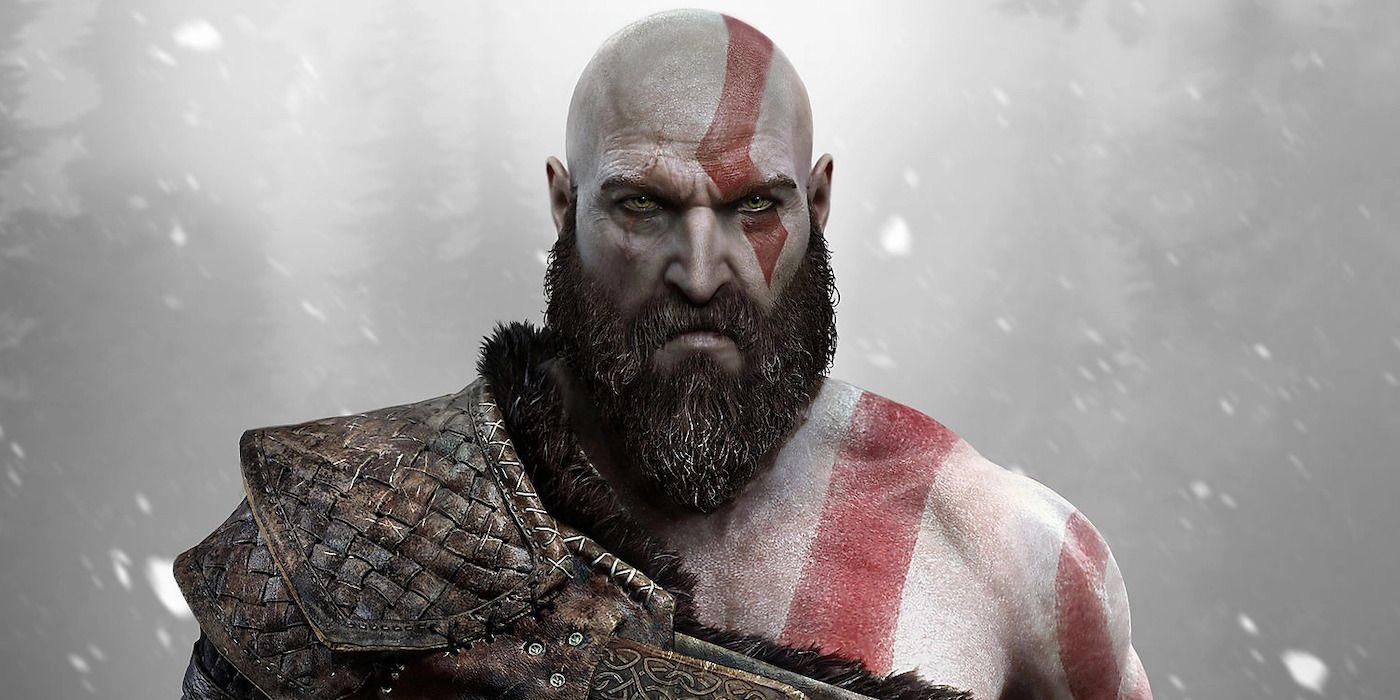

Welcome, fellow adventurers, to the intriguing saga of Kratos, the Ghost of Sparta, as he embarks on a new chapter in the enchanting realm of Midgard!
In this article, we’ll unravel the epic tale of how this formidable god transitioned from his tumultuous past to navigate the lush landscapes and perilous challenges of Norse mythology. With a blend of lore, action, and a sprinkle of divine humor, we’ll explore the pivotal moments that led our hero to the land of the Vikings. So grab your axe, tighten your grip, and get ready to dive into a story filled with gods, monsters, and the enduring quest for redemption!
Understanding Kratos’ Origins and Divine Legacy
The journey of Kratos, the once-feared God of War, begins in the ancient realms of Greece, where he was born to a mortal woman and fathered by Zeus, the king of the Olympian gods. His origins are steeped in tragedy, marked by the loss of his family, which fueled a fiery wrath that led him to challenge the gods themselves. Throughout his tumultuous path, Kratos was not just a warrior but also a pawn in the divine games played by the gods. Stripped of his humanity, he became a symbol of vengeance, wielding the Blades of Chaos, which are a testament to his tumultuous past and the struggles he endured.
As fate would have it, Kratos eventually found himself in Midgard, a realm steeped in Norse mythology and unfamiliarity. This transition from Greek to Norse mythology symbolizes not just a physical relocation but also a significant evolution in his character and legacy. In Midgard, he grapples with his past while forging a new identity as a father to Atreus. This relationship marks a distinct departure from his previous life, showcasing a softer, more protective side of the once ruthless god. His legacy now intertwines with the fabric of Norse mythology as he continues to influence the lives of gods and mortals alike.
The Great Move: How Kratos Transitioned to Midgard
Kratos, once the feared and wrathful God of War in ancient Greece, found himself navigating uncharted territory. After the cataclysmic events that led to the downfall of Olympus, he sought a new beginning in the lands of Midgard. His journey was not just a geographical transition but also a profound transformation of his character. In this new realm, he would face a myriad of challenges, from ancient beasts to mythical creatures, each a reflection of the old gods he had once battled. The choice to move was driven by a desire for redemption, a chance to be more than just a harbinger of destruction.
Upon reaching Midgard, Kratos discovered a world rich with lore and steeped in the traditions of Norse mythology. Here, he encountered new allies and foes alike, forging relationships that would redefine his purpose. Embracing his role as a father to Atreus, he began to untangle the complexities of mentorship, a stark contrast to the isolated warrior he had been. The journey also allowed him to adapt, learning the customs and languages of Midgard’s inhabitants, and even integrating some of their practices into his life. This transition offered Kratos a vibrant tapestry to weave his story anew, surrounded by challenges that called him to reflect on his past, alter his present, and shape a hopeful future.
Challenges and Allies: Navigating the Nine Realms
As Kratos traverses the Nine Realms, he encounters numerous challenges that test not only his strength but also his resolve. The realm of Midgard, in particular, presents a unique blend of threats that challenge even a god. From fearsome creatures lurking in the shadows to the treacherous environments designed to mislead and ensnare, each step Kratos takes is fraught with peril. Here are some of the significant challenges he faces:
Unpredictable Weather: The harsh and ever-changing climate of Midgard can turn a simple journey into a fight for survival.
Rival Deities: Encounters with other gods, each with their own agendas, pose constant threats.
Powerful Beasts: Mythical creatures, formidable in their own right, test Kratos’s combat prowess.
Subtle Deception: The presence of tricksters and illusions can lead him astray.
Yet, amid these challenges, Kratos finds allies that prove invaluable on his journey. From the loyal Atreus, who provides both companionship and support, to the wise and enigmatic figures who offer guidance, each ally contributes to Kratos’s growth and understanding of Midgard. Notable allies include:
| Ally | Role |
|---|---|
| Atreus | Son and companion, provides emotional support and combat assistance. |
| Mimir | Wise head who offers valuable knowledge about the realms. |
| Freya | Powerful Vanir goddess with healing abilities and deep insights. |
Together, these companions help Kratos navigate the complexities of Midgard, pushing him to confront not only external foes but also his inner demons. In this intricate dance between challenges and allies, the journey of a god unfolds, setting the stage for the epic tales that are to come.
Embracing the Journey: Tips for Fans to Explore Kratos’ World
As you embark on your adventure to explore the vast and intricate world of Kratos, it’s crucial to immerse yourself in every detail. Pay close attention to the lore surrounding the realms and their inhabitants, as it enhances your understanding of Kratos’ motivations and conflicts. Engage with the environment by taking the time to solve puzzles and discover hidden treasures that often contain valuable artifacts and lore entries. Each nook and cranny of Midgard is filled with stories waiting to be uncovered, and these experiences will deepen your connection to the narrative.
Don’t forget to interact with the characters you meet along the way. Characters like Atreus and Freya bring their unique perspectives to Kratos’ journey, contributing to the richness of the storytelling. Join online communities to share your discoveries and theories, fostering camaraderie with fellow fans. If you’re feeling adventurous, consider creating your own video walkthroughs or fan art to express your love for the series. Remember, exploring Kratos’ world is not just about the journey itself; it’s about cherishing the moments and the rich tapestry of mythology that makes this universe so compelling.
Q&A
Q1: Who is Kratos, and why is he significant in the context of mythology?
A1: Kratos is the central character of the “God of War” video game series, originally rooted in Greek mythology. He’s known as the Ghost of Sparta, a former god of war who has faced immense challenges and conflicts. His journey has made him a beloved figure in gaming, blending mythology with a unique narrative of redemption and fatherhood.
Q2: What is Midgard, and why is it important in the “God of War” series?
A2: Midgard is one of the Nine Realms in Norse mythology, often referred to as the world of humans. In the latest installment of “God of War,” it serves as the primary setting for Kratos and his son Atreus. Midgard is crucial for the unfolding of their story, filled with rich lore, challenging foes, and the potential for new adventures.
Q3: How did Kratos transition from Greek mythology to Norse mythology?
A3: Kratos’ journey from Greek to Norse mythology is a pivotal shift in the series. After the events of the Greek saga, which left him deeply scarred both physically and emotionally, Kratos sought to escape his past. He traveled to a new land—Norse mythology—hoping to find peace and a fresh start. This transition symbolizes his quest for redemption and a new life.
Q4: What events led Kratos to Midgard?
A4: In the games, Kratos moves to Midgard with the intention of creating a new life for himself and his son, Atreus. Struggling with his past and trying to prevent Atreus from making the same mistakes, Kratos’ journey is filled with challenges that lead them to the heart of Norse mythology, where they confront various gods and monsters.
Q5: How does Kratos’ past influence his actions in Midgard?
A5: Kratos’ past, filled with tragedy, violence, and loss, heavily influences his character in Midgard. He grapples with the weight of his actions, striving to be a better father and to teach Atreus about responsibility and control. His experiences shape his interactions with other characters and the choices he makes throughout their journey, making it a deeply personal story.
Q6: What themes emerge from Kratos’ journey in Midgard?
A6: Kratos’ journey in Midgard explores themes such as redemption, father-son relationships, the struggle against fate, and the consequences of one’s past. The game masterfully blends action with emotional depth, allowing players to witness Kratos evolving as both a warrior and a father while navigating the complexities of his new environment.
Q7: How has Kratos’ character evolved throughout his journey to Midgard?
A7: Throughout his journey to Midgard, Kratos has transformed from a vengeful god to a conflicted father figure. He is no longer solely driven by rage; instead, he seeks to protect Atreus and impart wisdom while wrestling with the fears of repeating past mistakes. This evolution adds layers to his character, making him relatable and multi-dimensional.
Q8: What can fans expect from Kratos’ adventures in Midgard?
A8: Fans can expect a thrilling blend of epic battles, rich storytelling, and emotional moments as Kratos and Atreus navigate the treacherous landscapes of Midgard. With dynamic interactions, challenging puzzles, and legendary Norse creatures, their journey promises adventure, excitement, and growth, keeping players engaged in their epic saga.
Q9: Why is the journey of Kratos to Midgard so captivating?
A9: Kratos’ journey to Midgard is captivating because it combines intense action with heartfelt storytelling. Players get to experience not only the thrilling combat and mythical lore but also the profound relationship between Kratos and Atreus. This unique blend of fatherhood, mythology, and redemption resonates with many, making it a memorable tale that transcends traditional gaming narratives.
Q10: What lasting impact has Kratos’ story had on gaming culture?
A10: Kratos’ story has had a significant impact on gaming culture, showcasing how video games can tell complex, mature narratives. His character has become an iconic figure, inspiring discussions about character development, emotional storytelling, and the rich potential of video game mythology. Kratos has truly left an indelible mark on the gaming world, paving the way for future narratives that blend action with deeper themes.
Read More: Best Games on Game Pass: Must-Play Titles You Don’t Want to Miss
Final Thoughts
As we wrap up our exploration of Kratos’ remarkable journey to Midgard, it’s clear that the path of a god is anything but straightforward. From the ashes of his fiery past in Greece to the snowy landscapes of Norse mythology, Kratos’ story is one of transformation, redemption, and the relentless pursuit of peace. Each step he took in this new realm not only shaped his destiny but also intertwined his fate with that of his son, Atreus, and the myriad of characters they would encounter along the way.
Understanding how Kratos found himself in Midgard adds fascinating layers to his character and deepens our appreciation for his ongoing narrative. As players, we are fortunate to witness this iconic character evolve, facing new challenges while grappling with the weight of his history.
So, whether you’re a seasoned fan of the franchise or new to the world of God of War, there’s always more to discover about this legendary hero. Keep adventuring, keep questioning, and remember – the journey of a god is far from over. Until next time, may your paths be filled with epic battles and moments of reflection!